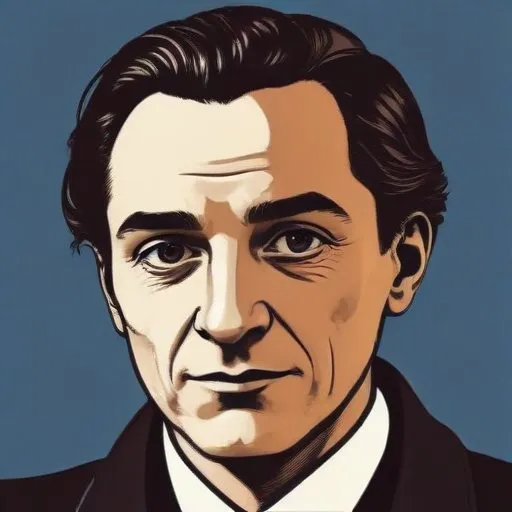
Antoine-Louis Barye

Antoine-Louis Barye

Antoine-Louis Barye was born on September 24th, 1796

Nationality: French
Profession: Sculptor
Place of Birth: Paris, France
Date of Birth: September 24, 1795
Field of Work: Sculpture
Notable Work: Tiger Devouring a Gavial
Education: École des Beaux-Arts
Death Date: June 25, 1875

Written by: Jack Thompson Jack Thompson

Antoine-Louis Barye: The French Romantic Sculptor of Animals

Antoine-Louis Barye is renowned for his exceptional skill as an animalier, a sculptor of animals, whose works exude a sense of realism and emotional depth. His contributions to the world of sculpture, particularly in the Romantic period, are a testament to his artistic genius and dedication to his craft.

The Early Years

Barye was born on September 24, 1795, in Paris, France, and began his career as a goldsmith, following in the footsteps of his father, Pierre. He later worked under the sculptor Martin-Guillaume Biennais, who was a goldsmith to Napoleon, and subsequently under the tutelage of sculptor Francois-Joseph Bosio and painter Baron Antoine-Jean Gros.

The Discovery of His True Calling

It wasn't until 1823, while working for the goldsmith Emile Fauconnier, that Barye discovered his true passion for sculpting animals. During this period, he spent countless hours observing and sketching the animals at the Jardin des Plantes, which inspired him to create vigorous studies of them in pencil drawings and sculpture.

Awards and Honors

Barye's talent was recognized early on, and he earned an honorable mention in 1819 for his medallion, Milo of Crotana Devoured by a Lion, at the Ecole des Beaux-Arts. This accolade marked the beginning of a long and illustrious career, where he would go on to create some of the most iconic and celebrated works of art in the Romantic period.

Major Works

Barye's oeuvre is characterized by its exceptional diversity and range, from small-scale bronzes to larger-than-life sculptures. Some of his most notable works include:

Legacy and Influence

Barye's contributions to the world of sculpture are undeniable, and his influence can be seen in the works of many succeeding artists. His son and student, Alfred Barye, also became a renowned sculptor, ensuring the continuation of his father's legacy.

Today, Barye's works can be found in museums and private collections around the world, a testament to his enduring talent and artistic vision.

Personal Milestones

In addition to his artistic accomplishments, Barye's personal life was marked by significant milestones, including his admission to the Ecole des Beaux-Arts in 1818, where he honed his skills alongside some of the most talented artists of his time.

Through his art, Barye not only showcased his exceptional skill but also left behind a legacy that continues to inspire and captivate art lovers to this day.

Timeline
1796
Birth in Paris, France
Antoine-Louis Barye is born in Paris, France, to a family of artists and sculptors.
1812
Studies Sculpture
Barye studies sculpture at the École des Beaux-Arts in Paris, where he develops an interest in animal sculpture.
1823
Exhibits at the Salon
Barye exhibits his sculptures at the Salon in Paris, where he receives critical acclaim and recognition.
1831
Becomes Professor at the École des Beaux-Arts
Barye becomes a professor at the École des Beaux-Arts, where he teaches sculpture and inspires a new generation of artists.
1875
Death in Paris, France
Antoine-Louis Barye dies in Paris, France, leaving behind a legacy as one of the greatest animal sculptors of all time.
Antoine-Louis Barye

Antoine-Louis Barye Quiz

What style of sculpture is Antoine-Louis Barye renowned for?

Score: 0/5
FAQ
What is Antoine-Louis Barye known for?
Antoine-Louis Barye is known for his bronze sculptures of animals, particularly horses, and his role as a founder of the Romantic movement in French sculpture. His work is characterized by its realism and attention to detail.
What was Antoine-Louis Baryes early life like?
Antoine-Louis Barye was born in Paris in 1795 and was apprenticed to a metal engraver at a young age. He later studied sculpture with François-Joseph Bosio and became a student at the École des Beaux-Arts.
What are some of Antoine-Louis Baryes famous works?
Some of Antoine-Louis Baryes most famous works include his bronze lion sculptures, his depiction of a Tiger Devouring a Gavial, and his monumental sculpture Lion Crushing a Serpent. These works showcase his mastery of animal sculpture.
Did Antoine-Louis Barye teach?
Yes, Antoine-Louis Barye was a teacher and educator. He was a professor at the École des Beaux-Arts and taught many students, including some who became prominent sculptors in their own right.
What is Antoine-Louis Baryes legacy?
Antoine-Louis Baryes legacy is as a pioneering Romantic sculptor who broke away from traditional Neoclassicism. His work continues to be admired and studied by art lovers and historians today.

Related People:

James Pradier

Born in 1790

A French neoclassical sculptor renowned for creating exquisite, emotionally charged works that often featured mythological and allegorical themes, blending classical techniques with Romantic sensibilities.

Alexandre Falguière

Born in 1831

A French artist who created iconic sculptures and paintings that blended realism and romanticism, capturing the essence of mythology and everyday life.