


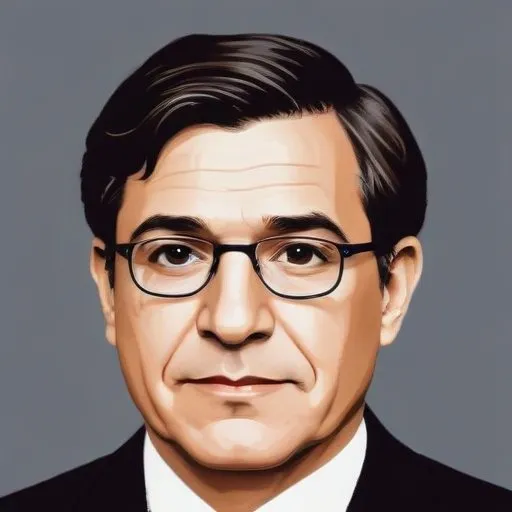
The 18th Premier of Quebec, a Canadian lawyer and politician, served from 1960 to 1962 and played a key role in shaping the province's education and healthcare systems. He's remembered for his efforts to modernize Quebec's infrastructure and economy.
Antonio Barrette, the 18th Premier of Quebec, left an indelible mark on the province's political landscape. Born on May 26, 1899, in Joliette, Quebec, Canada, Barrette's remarkable career spanned over three decades, earning him a reputation as a dedicated public servant and a champion of Quebec's interests.
Barrette's journey to the top began in 1935, when he ran as a Conservative candidate in the provincial district of Joliette, although he lost that election. Undeterred, he joined the Union Nationale and was elected in the 1936 election, subsequently winning re-elections in 1939, 1944, 1948, 1952, and 1960.
Barrette's dedication and hard work earned him a spot in the Cabinets of Maurice Duplessis and Paul Sauv, serving as Minister of Labour from August 30, 1944, to January 8, 1960. During his tenure, he worked tirelessly to improve the lives of Quebec's working class, implementing policies that promoted social and economic growth.
Following Sauv's death, Barrette succeeded him as leader of the Union Nationale and Premier of Quebec on January 8, 1960. Although his premiership lasted only six months, he left a lasting impact on the province. His commitment to Quebec's autonomy and his vision for a more prosperous future inspired generations of politicians and citizens alike.
After losing the 1960 election to Jean Lesage's Quebec Liberal Party, Barrette resigned as Leader of the Union Nationale and member of the National Assembly on September 15, 1960. He later served as Canadian ambassador to Greece from April 4, 1963, to July 12, 1966, further solidifying his reputation as a seasoned diplomat and statesman.
Antonio Barrette's life was marked by dedication, perseverance, and a passion for public service. He passed away on December 15, 1968, in Montreal, leaving behind a legacy that continues to inspire Quebecers and Canadians alike. His contributions to Quebec's history and development are a testament to his unwavering commitment to his people and his province.
Antonio Barrette's legacy is deeply rooted in Quebec's history and continues to influence the province's political landscape. His commitment to Quebec's autonomy and his vision for a more prosperous future have inspired generations of politicians and citizens alike. As a testament to his enduring legacy, Barrette remains an important figure in Quebec's history, remembered for his dedication, perseverance, and passion for public service.
Born in 1912
A Canadian lawyer and politician who served as the 11th Premier of Quebec, known for modernizing the province's economy and education system. He led the Quiet Revolution, a period of significant social and political change in Quebec.
Born in 1922
A charismatic leader who championed Quebec's independence and shaped the province's distinct identity through his passionate politics and journalism. He's revered for his role in Quebec's Quiet Revolution.
Born in 1890
The 16th Premier of Quebec was a dominant figure in Quebec politics from the 1930s to the 1950s, known for his authoritarian rule and promotion of Quebec nationalism. He implemented various social and economic reforms, shaping the province's identity and development.
Born in 1920
A Canadian lawyer and politician who played a key role in shaping Quebec's education system and advocated for social justice and human rights. Known for his progressive reforms and commitment to social equality.
Born in 1919
The charismatic leader who championed Canadian unity and implemented progressive policies, known for his iconic style and influential legacy in shaping modern Canada.
Born in 1897
A Canadian leader who served as Prime Minister and won the Nobel Peace Prize for resolving the Suez Canal Crisis, known for his diplomatic efforts and peacekeeping initiatives.
92 Years Old
The 20th Prime Minister of Canada, serving from 1993 to 2003, known for his leadership during the Quebec sovereignty movement and his role in shaping Canada's national unity. He implemented policies like the Clarity Act and the National Child Benefit.
87 Years Old
The 18th Prime Minister of Canada, a skilled lawyer and politician, led the country from 1984 to 1993, known for negotiating the Canada-US Free Trade Agreement and introducing the Goods and Services Tax.
