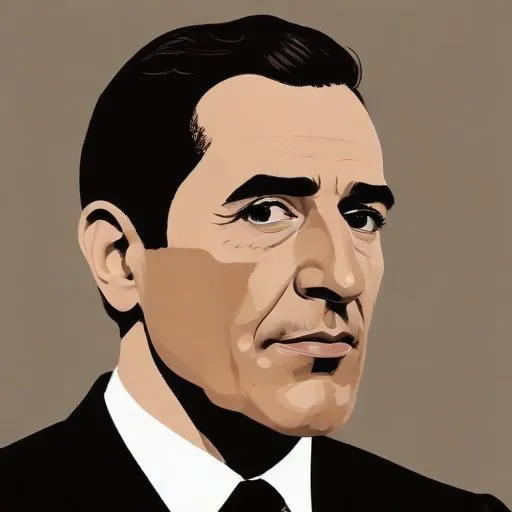
Antonio GarcaTrevijano: The Unwavering Voice of Democracy
A Life Dedicated to Freedom and Justice
Antonio GarcaTrevijano Forte, a Spanish republican lawyer, notary public, jurist, philosopher, art critic, author, and political activist, is renowned for his unwavering commitment to democracy and his unrelenting crusade against the Francoist dictatorship. With a life devoted to promoting political freedom and justice, GarcaTrevijano's name became synonymous with resistance and activism in Spain.
Early Life and Education
Born on July 18, 1927, in Alhama de Granada, Spain, GarcaTrevijano's early life was marked by a strong sense of social responsibility and a passion for learning. He pursued higher education, earning degrees in law and philosophy, which later became the foundation of his philosophical contributions to the world of politics and art.
Political Activism
GarcaTrevijano's political activism began in the 1970s, when he organized meetings between Don Juan de Borbn and republican groups, including the publishing group Ruedo Ibrico, to discuss the rejection of Franco's decree appointing his son Juan Carlos as his successor. This courageous act marked the beginning of his life-long struggle for democracy and human rights in Spain.
Leadership and Persecution
As the leader of the Citizens Movement towards the Constitutional Republic of Spain (MCRC), GarcaTrevijano faced intense persecution, including five passports being withdrawn, three arrests, two fines, and a serious attack for his declarations to the BBC. Despite these challenges, he remained resolute in his pursuit of political freedom, earning him a reputation as a fearless advocate for democracy.
Literary Contributions
GarcaTrevijano's literary contributions are a testament to his intellectual prowess and commitment to promoting democratic values. He wrote over 50 articles for Reporter magazine, more than a thousand articles for various Spanish newspapers, including ABC, El Pas, El Independiente, El Mundo, and La Razn. His notable publications include:
- The Democratic Alternative
- The Discourse of the Republic
- Confronting the Big Lie (published in English as A Pure Theory of Democracy)
- Passions of Servitude
- Donatello, Sculptor of Childhood (an art book)
- From Moder (a book on philosophy of art)
Philosophical Contributions and Beliefs
GarcaTrevijano's philosophical contributions revolve around the concept of democracy, justice, and human rights. His work,
Confronting the Big Lie, is a scathing critique of authoritarian regimes and a powerful call to action for democratic values. Through his writings, he advocated for a more inclusive and participatory form of democracy, where the rights of citizens are paramount.
Legacy and Impact
Antonio GarcaTrevijano's unwavering commitment to democracy and human rights has left an indelible mark on Spanish history. His courageous activism, literary contributions, and philosophical ideas have inspired generations of Spaniards to fight for their rights and freedoms. Today, he is remembered as a champion of democracy, a true hero of the Spanish people.
Personal Milestones and Key Life Events
Through his life, GarcaTrevijano faced numerous personal challenges, including the death of his wife and the loss of his son. However, these tragedies only strengthened his resolve to fight for a better Spain, where future generations could live in peace and freedom.
Honors and Recognition
GarcaTrevijano's contributions to democracy and literature have been recognized through various awards and honors. His work has been translated into several languages, and he has received accolades from institutions around the world.
A Lasting Legacy
Antonio GarcaTrevijano's life was a testament to the power of human spirit and the importance of standing up against oppression. His legacy serves as a beacon of hope for those fighting for democracy and human rights around the world, reminding us that even in the darkest of times, courage and determination can prevail.