


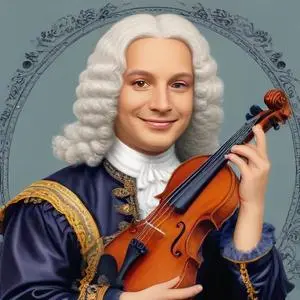
A virtuosic violinist and prolific composer, he crafted over 400 concertos, including "The Four Seasons," which remains a beloved and iconic masterpiece of classical music.
When it comes to Baroque music, one name stands out above the rest: Antonio Vivaldi. This Italian composer, virtuoso violinist, and impresario is renowned for his iconic violin concertos, sacred choral works, and over 50 operas that continue to mesmerize audiences to this day.
Vivaldi was born on March 4, 1678, in Venice, Italy, to Giovanni Battista Vivaldi and Camilla Calicchio. From a young age, he was drawn to music, studying violin with his father and later enrolling in the seminary to become a priest. However, his health issues prevented him from continuing his priestly duties, and he focused on music instead.
Vivaldi's talent and innovative compositions quickly gained him recognition across Europe. He wrote concertos for various instruments, including the violin, cello, and oboe, which showcased his mastery of orchestration and technique. His music was performed in concerts and operas throughout Italy, Austria, and Germany, earning him a reputation as one of the greatest Baroque composers alongside Johann Sebastian Bach and George Frideric Handel.
Vivaldi's most famous work, The Four Seasons, is a set of four violin concertos that evoke the moods and scenes of the seasons. This masterpiece of programmatic music, where music is inspired by non-musical ideas, has become synonymous with classical music. Each concerto is a vivid depiction of the season it represents, from the vibrant energy of spring to the winter's icy chill.
Vivaldi was employed as a violin teacher and composer at the Ospedale della Pietà, a home for abandoned children, where he wrote many of his compositions, including sacred music and operas. His sacred music, such as the Gloria in excelsis Deo, showcases his ability to create beautiful, uplifting music for the glory of God.
Vivaldi's operas were performed in Venice, Mantua, and Vienna, earning him accolades and financial success. However, his expenses were high, and he struggled financially throughout his life. Despite meeting Emperor Charles VI, who offered him a position, Vivaldi's fortunes declined, and he died in poverty on July 28, 1741.
After his death, Vivaldi's music fell into obscurity for nearly two centuries. However, in the early 20th century, his compositions were rediscovered, and he was hailed as a master of Baroque music. Today, his music remains widely popular, with performances and recordings of his works taking place around the world.
Born in 1685
A master of Baroque music, he composed over 1,000 works, including orchestral suites, cantatas, and passions, that still inspire and influence musicians today. His innovative use of counterpoint and harmony raised the bar for classical music.
Born in 1685
A renowned Baroque composer and organist, famous for creating majestic orchestral suites, operas, and oratorios, including the iconic "Messiah" masterpiece.
Born in 1756
A child prodigy and master of classical music, he composed over 600 works, including symphonies, operas, and chamber music, that continue to inspire and influence musicians today.
Born in 1770
A musical genius who expanded the possibilities of classical music, creating iconic symphonies and piano sonatas that continue to inspire and influence generations of artists.
Born in 1782
A virtuosic violinist and composer who revolutionized the instrument's technical possibilities, leaving an indelible mark on classical music.
Born in 1792
Operatic mastermind behind iconic comedies like "The Barber of Seville" and "William Tell," crafting catchy, witty, and playful music that still delights audiences today.
Born in 1811
A virtuosic pianist and composer who revolutionized classical music with his technically demanding and emotionally expressive works, blending Hungarian folk influences with Romantic-era drama.
Born in 1840
A renowned Russian composer and educator, he is best known for his iconic and beloved ballets, such as Swan Lake and The Nutcracker, which continue to enchant audiences worldwide.
