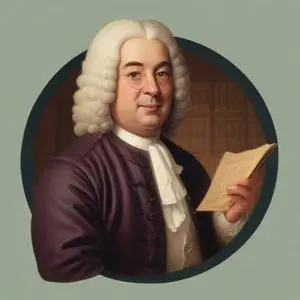
George Frideric Handel: The Maestro of Baroque Music
Opera, Oratorios, and Anthems: Handel's Enduring Legacy
George Frideric Handel, a German-born British Baroque composer, is renowned for his captivating operas, oratorios, anthems, concerti grossi, and organ concertos. His music transcended borders, elevating the art form to new heights, and earning him a reputation as one of the greatest composers of his age.
Early Life and Training
Born on February 23, 1685, in Halle, Germany, Handel received his musical training in Halle and later in Hamburg. His talent was soon recognized, and he was apprenticed to the famous German composer and organist,
Friedrich Wilhelm Zachow. In 1703, Handel traveled to Italy, where he was exposed to the works of renowned composers such as
Alessandro Scarlatti and
Arcangelo Corelli.
A New Direction: London and the English Oratorio
In 1712, Handel settled in London, where he would spend the majority of his career. He became a naturalized British subject in 1727 and soon established himself as a prominent composer. Handel's opera career flourished, with works like "Rinaldo" (1711) and "Giulio Cesare" (1724) captivating audiences. However, it was his shift towards English oratorio, with masterpieces like "Messiah" (1742), that solidified his position as a master of the genre.
Innovations and Contributions
Handel's music introduced a new style into English church music, blending Italian opera with German polyphonic choral traditions. His innovations in the oratorio genre and organ concerto further enriched the Baroque repertoire. Handel's compositions, such as "Water Music" (1717) and "Music for the Royal Fireworks" (1749), continue to be performed and admired today.
Impact on Modern Society
Handel's influence on Western classical music is immense. Composers like Mozart, Haydn, and Beethoven drew inspiration from his works. The classical music world has acknowledged Handel's genius, with performances of his music remaining a staple of concert halls and opera houses worldwide.
Personal Milestones and Key Life Events
- 1737: Handel suffered a physical breakdown, prompting a creative shift towards English choral works.
- 1727: Handel became a naturalized British subject.
- 1759: Handel passed away, almost blind, but respected and wealthy. He received a state funeral at Westminster Abbey.
Philosophical Contributions and Beliefs
Handel's music reflects his deep faith and commitment to his art. His compositions often conveyed messages of hope, redemption, and the human experience.
Quotes and Memorable Sayings
"I should be sorry if I only entertained them, I wish to make them better." - Handel
Legacy and Historical Context
Handel's contributions to the world of classical music are undeniable. He bridged the gap between Italian opera and English oratorio, creating a unique blend of styles that has endured for centuries. Today, Handel's music remains a testament to his innovative spirit and artistic genius.
Comparative Analysis with Contemporaries
Handel's contemporaries, such as
Johann Sebastian Bach and
Domenico Scarlatti, also made significant contributions to Baroque music. However, Handel's unique blend of Italian and German styles, combined with his innovative approach to oratorio, set him apart as a master of his era.
Awards and Honors
Handel received numerous accolades during his lifetime, including commissions from royalty and nobility. He was also recognized by his peers, who admired his talent and innovative spirit.
Trivia and Fun Facts
- Handel was known for his exceptional keyboard skills, often improvising complex compositions during performances.
- He was a generous philanthropist, supporting charities and causes throughout his life.
Inspirational Stories and Motivations
Handel's life serves as a testament to the power of perseverance and creative vision. Despite facing numerous challenges, he remained committed to his art, leaving behind a legacy that continues to inspire generations of musicians and music lovers alike.
FAQ
What was George Frideric Handels contribution to music?
George Frideric Handel was a renowned German-English Baroque composer who made significant contributions to the development of opera, oratorio, and instrumental music, including the famous Water Music and Messiah compositions.
How did Handels music reflect the cultural and artistic trends of his time?
Handels music reflected the cultural and artistic trends of the Baroque period, characterized by ornate decoration, complex harmonies, and dramatic flair.
What was Handels relationship with the British royal family?
Handel maintained a close relationship with the British royal family, composing music for royal occasions and serving as a Kapellmeister to King George I.
How did Handels music influence later generations of composers?
Handels music had a lasting impact on later generations of composers, influencing the development of classical music and shaping the course of Western musical tradition.
What was the significance of Handels organ concertos?
Handels organ concertos are considered some of the most important works in the organ repertoire, showcasing his mastery of the instrument and his ability to create innovative and technically demanding music.