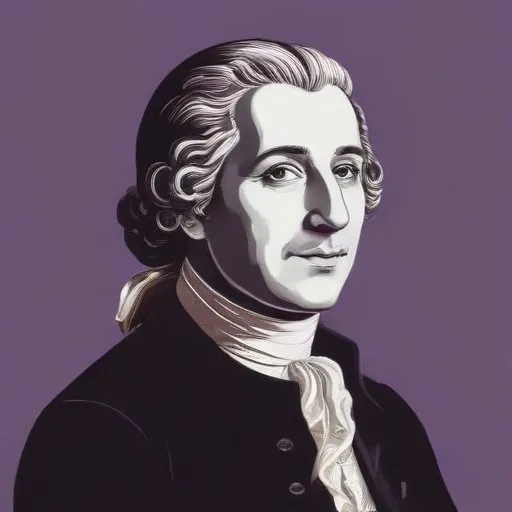
Alessandro Scarlatti: The Italian Orpheus of Opera and Chamber Cantatas
The Master of Neapolitan Opera
Alessandro Scarlatti is renowned for his remarkable contributions to the world of opera and chamber cantatas, earning him the nickname "The Italian Orpheus" among his contemporaries. With a career spanning over four decades, Scarlatti is credited with bringing the Italian dramatic tradition to its pinnacle, leaving an indelible mark on the world of opera.
Early Life and Training
Born on May 2, 1660, in Palermo or Trapani, then part of the Kingdom of Sicily, Scarlatti received his musical training in Rome under the guidance of
Giacomo Carissimi. This training laid the foundation for his future success, and some believe he may have had connections with northern Italy, as evident in the Stradella-esque influences in his early works.
Operatic Contributions
Scarlatti's operas are a testament to his innovative spirit and mastery of the genre. He is credited with designing the final form of the Da capo aria, a structure that would be emulated throughout Europe. His operas showcased his ability to craft complex, engaging stories, and his music continues to enthrall audiences today.
Chamber Cantatas and Instrumental Works
In addition to his operatic contributions, Scarlatti composed numerous chamber cantatas, showcasing his skill in crafting intimate, expressive music. He was also an innovator in instrumental music, inventing the Italian overture in three movements, which would later influence the development of the symphony. His sonatas, concerto grossos, motets, and masses further demonstrate his eclecticism and mastery of various genres.
Influence on Modern Society
Scarlatti's impact on modern society is profound. His music inspired a generation of composers, including Handel, who was deeply influenced by Scarlatti's theatrical music. His innovations in opera and instrumental music paved the way for future generations, shaping the course of music history.
Personal Life and Legacy
Scarlatti was a devoted father to two sons, Domenico and Pietro Filippo, both of whom would become notable composers in their own right. Scarlatti passed away on October 22, 1725, leaving behind a legacy that continues to inspire and delight audiences today.
Trivia and Fun Facts
- Scarlatti was known for his remarkable talent and was dubbed "The Italian Orpheus" by his contemporaries.
- He composed over 60 operas, making him one of the most prolific opera composers of his time.
- Scarlatti's music was highly regarded by his contemporaries, and he was often praised for his innovative and expressive compositions.
Conclusion
Alessandro Scarlatti's remarkable contributions to opera, chamber cantatas, and instrumental music have left an indelible mark on music history. His innovative spirit, mastery of various genres, and influence on future generations have cemented his place as one of the most important figures in the Baroque period.
FAQ
What was Alessandro Scarlattis contribution to music?
Alessandro Scarlatti was a renowned Italian composer who made significant contributions to the development of opera and cantata. He is credited with creating over 600 cantatas and numerous operas.
What style of music did Alessandro Scarlatti compose?
Scarlatti composed music in the Baroque style, which was popular during the 17th and early 18th centuries. His works are characterized by complex harmonies and ornate melodies.
Who was Alessandro Scarlattis son?
Alessandro Scarlattis son, Domenico Scarlatti, was a famous harpsichordist and composer in his own right. He is best known for his 555 sonatas for harpsichord.
Where did Alessandro Scarlatti work?
Alessandro Scarlatti worked in various cities, including Naples, Rome, and Florence, composing music for royal courts and churches. He was the maestro di cappella at the Royal Chapel in Naples.
When did Alessandro Scarlatti die?
Alessandro Scarlatti died on February 24, 1725, in Naples, Italy, at the age of 65. He was a prominent figure in the Italian musical scene during his lifetime.