


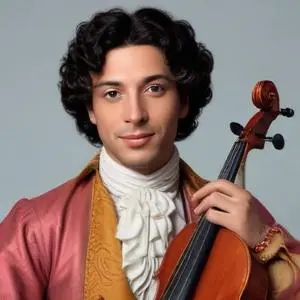
A virtuosic violinist and composer who revolutionized the concerto grosso form, creating a new era of classical music. His influential works elevated the violin to a solo instrument, shaping the course of Western classical music.
Arcangelo Corelli, a renowned Italian composer and violinist, left an indelible mark on the world of music. Born on February 17, 1653, Corelli's contributions to the development of the modern genres of sonata and concerto, as well as his role in establishing the preeminence of the violin, cement his place as one of the most influential musicians of the Baroque era.
Corelli received his early training in Bologna and later in Rome, where he spent most of his career under the patronage of wealthy and influential supporters. Despite his limited published works, consisting of just six collections, Corelli's music gained widespread acclaim throughout Europe, earning him a reputation as a master composer and virtuoso violinist.
Corelli's compositions were characterized by their balance, refinement, and sumptuous harmonies, which set him apart from his contemporaries. His innovative use of texture, dynamics, and expressive contrasts created a new level of musical sophistication, influencing generations of composers to come.
Corelli's exceptional skill on the violin earned him recognition as one of the greatest virtuosos of his generation. His development of modern playing techniques and his many students scattered throughout Europe helped establish the violin as a prestigious solo instrument. Additionally, his contributions to the evolution of the traditional orchestra further solidified his impact on the music world.
Corelli was a dominant figure in Roman musical life, enjoying the patronage of prominent nobles and popes. His international reputation earned him invitations to perform at many European courts, and he was a prominent member of the Pontifical Academy of Arcadia, a prestigious artistic and intellectual society.
Corelli's innovative spirit, technical mastery, and artistic vision continue to inspire musicians and composers today. His music, though rooted in the Baroque era, remains timeless and universal, a testament to his enduring legacy as one of the most important figures in music history.
Corelli's influence extends beyond the realm of classical music, with his musical models and innovations affecting the development of various genres, including chamber music, opera, and even popular music. His legacy continues to shape the music world, making him a true pioneer of the art form.
Born in 1678
A virtuosic violinist and prolific composer, he crafted over 400 concertos, including "The Four Seasons," which remains a beloved and iconic masterpiece of classical music.
Born in 1685
A master of Baroque music, he composed over 1,000 works, including orchestral suites, cantatas, and passions, that still inspire and influence musicians today. His innovative use of counterpoint and harmony raised the bar for classical music.
Born in 1685
A renowned Baroque composer and organist, famous for creating majestic orchestral suites, operas, and oratorios, including the iconic "Messiah" masterpiece.
Born in 1782
A virtuosic violinist and composer who revolutionized the instrument's technical possibilities, leaving an indelible mark on classical music.
Born in 1756
A child prodigy and master of classical music, he composed over 600 works, including symphonies, operas, and chamber music, that continue to inspire and influence musicians today.
Born in 1770
A musical genius who expanded the possibilities of classical music, creating iconic symphonies and piano sonatas that continue to inspire and influence generations of artists.
Born in 1811
A virtuosic pianist and composer who revolutionized classical music with his technically demanding and emotionally expressive works, blending Hungarian folk influences with Romantic-era drama.
Born in 1810
A Polish pianist and composer renowned for his delicate, expressive, and technically demanding piano music that evokes deep emotions and continues to inspire generations of musicians and music lovers. His nocturnes, waltzes, and preludes are staples of classical music.
