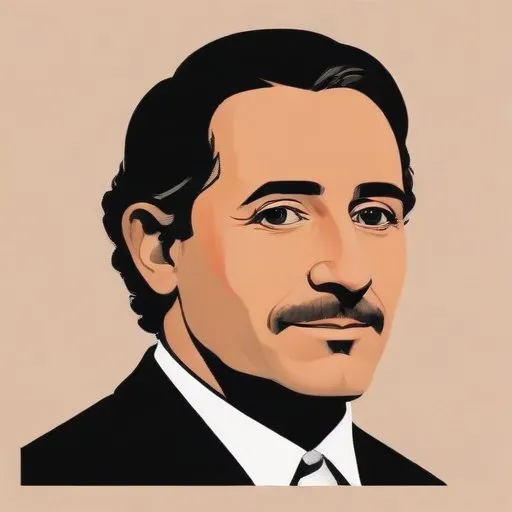
Niccolò Jommelli

Niccolò Jommelli

Niccolò Jommelli was born on September 10th, 1714

Full Name: Niccolò Jommelli
Nationality: Italian
Profession: Composer
Place of Birth: Aversa, Italy
Zodiac Sign: Virgo
Siblings: Unknown
Parents: Unknown
Notable Work: Il Vologeso

A prominent composer of the Neapolitan School, he wrote over 80 operas and was a key figure in the transition between the Baroque and Classical periods. His music was known for its dramatic intensity and expressive melodies.

Timeline
1714
Birth in Aversa
Niccolò Jommelli was born in Aversa, Italy. He would go on to become a prominent Italian composer.
1737
Publishes his First Opera
Jommelli published his first opera, a work that showcased his talent as a composer and marked the beginning of his successful career.
1743
Appointed Maestro di Cappella in Naples
Niccolò Jommelli was appointed Maestro di Cappella in Naples, a prestigious position that recognized his skill as a composer and conductor.
1769
Death in Naples
Niccolò Jommelli died in Naples, Italy, after a lifetime of composing and performing music that was celebrated throughout Europe.
Niccolò Jommelli

Niccolò Jommelli Quiz

What style of music is Niccolò Jommelli primarily associated with?

Score: 0/5
FAQ
What was Niccolò Jommellis contribution to the development of opera?
Niccolò Jommelli was an Italian composer who made significant contributions to the development of opera, particularly in the areas of vocal music and orchestration. He was one of the leading composers of the Neapolitan opera school.
What was Niccolò Jommellis relationship with the royal court of Stuttgart?
Niccolò Jommelli served as the maestro di cappella at the royal court of Stuttgart, where he composed music for the court and the opera house. He was highly regarded by his patrons and enjoyed a period of great creative productivity.
What type of opera did Niccolò Jommelli primarily compose?
Niccolò Jommelli primarily composed opera seria, a type of serious opera that emphasized vocal virtuosity and dramatic intensity. He also composed opera buffa, a type of comic opera that emphasized satire and social commentary.
How did Niccolò Jommellis music influence later composers?
Niccolò Jommellis music had a significant impact on later composers, including Wolfgang Amadeus Mozart and Christoph Willibald Gluck. His innovations in vocal music and orchestration paved the way for later developments in opera.
What is Niccolò Jommellis legacy in the history of opera?
Niccolò Jommellis legacy in the history of opera is that of a pioneering composer who helped to shape the development of opera during the 18th century. His music remains an important part of the operatic repertoire.

Related People:

Christoph Willibald Gluck

Born in 1714

A pioneering opera composer who revolutionized the art form with his innovative and expressive works, blending music and drama in a way that captivated audiences.

Niccolò Piccinni

Born in 1728

An 18th-century Italian composer and educator, known for his operas and influence on the development of classical music. He was a prominent figure in the Neapolitan school of opera composition.

Giovanni Battista Pergolesi

Born in 1710

A Baroque composer, violinist, and organist who made significant contributions to the development of opera and sacred music, particularly with his famous "Stabat Mater" composition.

Antonio Vivaldi

Born in 1678

A virtuosic violinist and prolific composer, he crafted over 400 concertos, including "The Four Seasons," which remains a beloved and iconic masterpiece of classical music.

George Frideric Handel

Born in 1685

A renowned Baroque composer and organist, famous for creating majestic orchestral suites, operas, and oratorios, including the iconic "Messiah" masterpiece.

Domenico Scarlatti

Born in 1685

A virtuosic harpsichordist and composer, renowned for crafting over 550 sonatas that showcased his innovative and expressive style, blending Italian and Portuguese influences. 42

Alessandro Scarlatti

Born in 1660

Baroque-era mastermind behind over 600 cantatas, operas, and orchestral works, shaping the course of classical music with his innovative style and harmonic genius.

Johann Sebastian Bach

Born in 1685

A master of Baroque music, he composed over 1,000 works, including orchestral suites, cantatas, and passions, that still inspire and influence musicians today. His innovative use of counterpoint and harmony raised the bar for classical music.