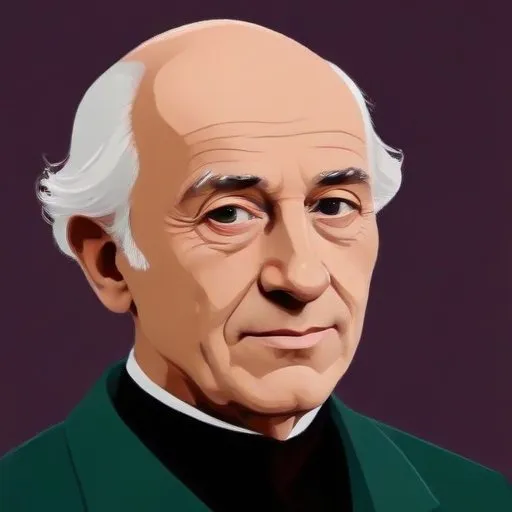
Niccolò Piccinni

Niccolò Piccinni

Niccolò Piccinni was born on January 16th, 1728

Full Name: Niccolò Piccinni
Place of Birth: Bari, Italy
Profession: Composer and Educator
Nationality: Italian
Notable Work: La buona figliuola
Education: Conservatorio di SantOnofrio
Born: January 16, 1728
Died: May 7, 1800

An 18th-century Italian composer and educator, known for his operas and influence on the development of classical music. He was a prominent figure in the Neapolitan school of opera composition.

Timeline
1728
Birth
Niccolò Piccinni was born in Bari, Italy to a family of musicians.
1754
Studied Music
Piccinni studied music at the Conservatorio di SantOnofrio in Naples, where he learned from prominent composers of the time.
1760
Composes First Opera
Piccinni composed his first opera, Le donne dispettose, which was performed in Naples.
1778
Moves to Paris
Piccinni moved to Paris, where he became a prominent composer and rival to Christoph Willibald Gluck.
1800
Death
Niccolò Piccinni died in Passy, France at the age of 72, leaving behind a legacy as a renowned opera composer.
Niccolò Piccinni

Niccolò Piccinni Quiz

What musical genre is Niccolò Piccinni primarily associated with?

Score: 0/5
FAQ
What is Niccolò Piccinnis most famous opera?
Niccolò Piccinnis most famous opera is likely La Buona Figliuola, which premiered in 1766 and became a huge success. The opera is still performed today, and its music is considered some of the most beautiful and expressive of the era.
Who was Niccolò Piccinnis rival composer?
Niccolò Piccinni had a famous rivalry with the German composer Christoph Willibald Gluck. The two composers were contemporaries who worked in many of the same cities, and their differing styles and approaches to opera sparked a heated debate in the musical community.
What was Niccolò Piccinnis contribution to the development of opera?
Niccolò Piccinni made significant contributions to the development of opera, introducing new musical and dramatic innovations that paved the way for later composers. His work helped to establish the opera buffa, a genre of comic opera that became extremely popular in the late 18th century.
What was Niccolò Piccinnis relationship like with Napoleon?
Niccolò Piccinni had a complex and often tumultuous relationship with Napoleon Bonaparte. While the composer was initially supportive of the French Revolution, he later grew disillusioned with Napoleons regime and was eventually forced into exile.
What legacy did Niccolò Piccinni leave behind?
Niccolò Piccinni left behind a legacy as a master composer and innovator in the field of opera. His music continues to be performed and admired today, and his influence can be seen in the work of later composers who followed in his footsteps.

Related People:

Niccolò Jommelli

Born in 1714

A prominent composer of the Neapolitan School, he wrote over 80 operas and was a key figure in the transition between the Baroque and Classical periods. His music was known for its dramatic intensity and expressive melodies.

Giovanni Paisiello

Born in 1740

An 18th-century Italian composer and educator, known for his operas and contributions to the development of classical music. His works were widely performed and admired by European royalty and aristocracy.

Domenico Cimarosa

Born in 1749

An 18th-century Italian composer and educator, known for his operas and sacred music, particularly his comic operas that showcased his mastery of melody and harmony.

Christoph Willibald Gluck

Born in 1714

A pioneering opera composer who revolutionized the art form with his innovative and expressive works, blending music and drama in a way that captivated audiences.

Wolfgang Amadeus Mozart

Born in 1756

A child prodigy and master of classical music, he composed over 600 works, including symphonies, operas, and chamber music, that continue to inspire and influence musicians today.

Ludwig van Beethoven

Born in 1770

A musical genius who expanded the possibilities of classical music, creating iconic symphonies and piano sonatas that continue to inspire and influence generations of artists.

Gioachino Rossini

Born in 1792

Operatic mastermind behind iconic comedies like "The Barber of Seville" and "William Tell," crafting catchy, witty, and playful music that still delights audiences today.

Gaetano Donizetti

Born in 1797

A renowned Italian composer of the Romantic era, best known for his operas, particularly "L'elisir d'amore" and "Don Pasquale", which are still widely performed today.