


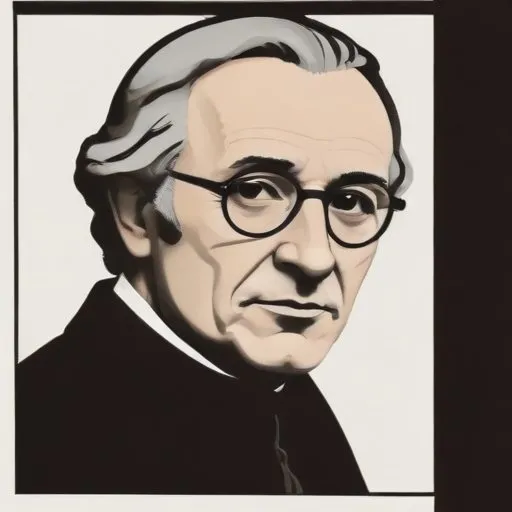
An 18th-century Italian composer and educator, known for his operas and sacred music, particularly his comic operas that showcased his mastery of melody and harmony.
Known for his mesmerizing operas and instrumental works, Domenico Cimarosa was a prominent Italian composer of the Classical period, leaving an indelible mark on the world of music. With over eighty operas to his credit, including the famed Il matrimonio segreto, Cimarosa's creations continue to captivate audiences to this day.
Born on December 17, 1749, in Aversa, a town near Naples, Cimarosa's life was marked by tragedy and triumph. His father, a stonemason, fell to his death when Cimarosa was just seven years old. His mother, Anna, was taken in by the monastic order of the Church of San Severo, where Cimarosa received a good education, including musical training, from the monks and clergy. The organist of the monastery, Padre Polcano, took a particular interest in his education, and Cimarosa progressed so well that he was admitted to Naples' leading college of music, the Conservatorio di S Maria di Loreto, in 1761.
Cimarosa's talent and dedication earned him a place among the esteemed composers of his time. He spent several years honing his craft, studying under prominent musicians, and composing music for various opera houses in Naples, Rome, Venice, and Florence. His big break came in 1787 when he was engaged by Catherine the Great of Russia as her court composer and conductor, a position he held until 1791.
Cimarosa's operas, mostly comedies, showcased his mastery of the genre. Il matrimonio segreto, composed in 1792, remains his most famous work, with its intricate plot, witty dialogue, and memorable melodies. Other notable operas include Le trame deluse, La contessa di Belcolore, and I nemici generosi, all of which have been praised for their innovative storytelling and musicality.
Beyond opera, Cimarosa composed a significant number of instrumental works, including symphonies, concertos, and chamber music. His church music, characterized by its grandeur and elegance, was highly regarded during his lifetime. The Messa di Requiem, composed in 1796, is considered one of his finest sacred works.
Cimarosa's later years were marked by turmoil and exile. He backed the losing side in the struggle to overthrow the monarchy in Naples and was imprisoned and eventually exiled. He died in Venice on January 11, 1801, at the age of 51. Despite his turbulent life, Cimarosa's music continues to inspire generations of musicians and audiences alike, cementing his place as one of the greatest composers of the Classical period.
Cimarosa's impact on opera and classical music is undeniable. His innovative approach to the genre paved the way for future composers, and his operas continue to be performed and admired today. His legacy extends beyond the music world, as well, with his story serving as a testament to the power of perseverance and creativity.
While Cimarosa's quotes and sayings are scarce, his music speaks volumes about his artistic vision and philosophy. As he once wrote, "Music is the language of the soul, and the soul of music is harmony."
Cimarosa's life and music serve as a testament to the enduring power of creativity and perseverance. His legacy, built on a foundation of innovation and artistry, continues to inspire and delight audiences around the world.
Born in 1756
A child prodigy and master of classical music, he composed over 600 works, including symphonies, operas, and chamber music, that continue to inspire and influence musicians today.
Born in 1770
A musical genius who expanded the possibilities of classical music, creating iconic symphonies and piano sonatas that continue to inspire and influence generations of artists.
Born in 1792
Operatic mastermind behind iconic comedies like "The Barber of Seville" and "William Tell," crafting catchy, witty, and playful music that still delights audiences today.
Born in 1782
A virtuosic violinist and composer who revolutionized the instrument's technical possibilities, leaving an indelible mark on classical music.
Born in 1797
A renowned Italian composer of the Romantic era, best known for his operas, particularly "L'elisir d'amore" and "Don Pasquale", which are still widely performed today.
Born in 1801
Operatic mastermind behind bel canto classics like "Norma" and "La Sonnambula", renowned for their beautiful, expressive melodies and dramatic flair.
Born in 1740
An 18th-century Italian composer and educator, known for his operas and contributions to the development of classical music. His works were widely performed and admired by European royalty and aristocracy.
Born in 1714
A pioneering opera composer who revolutionized the art form with his innovative and expressive works, blending music and drama in a way that captivated audiences.
