


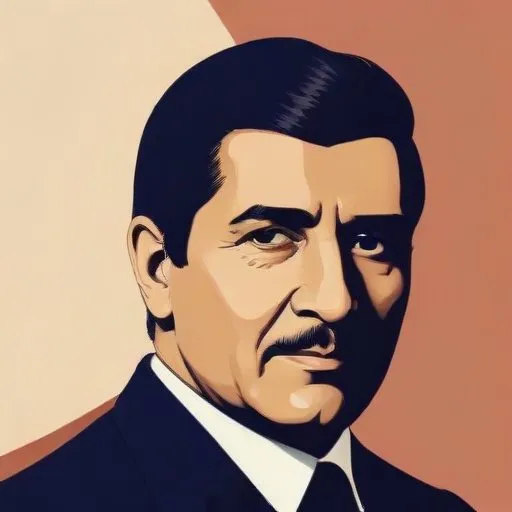
Aparicio Saravia da Rosa, a Uruguayan politician and military leader, is renowned for his courageous stance against the Uruguayan government, leading several revolutionary movements that left an indelible mark on the country's history. Born on August 16, 1856, in Cerro Largo, Uruguay, Saravia's life was a testament to his unwavering dedication to social change and democratic principles.
Saravia was the fourth of thirteen children born to Brazilians Francisco Saraiva and Pulpicia da Rosa. His surname was later Hispanicized to Saravia. Growing up in the countryside, Saravia received a mix of rural and higher education, which laid the foundation for his later involvement in politics.
Saravia's military career began at a young age, with his participation in the Revolution of the Lances (1870-1872), led by Timoteo Aparicio against the government of Lorenzo Batlle y Grau. This experience sparked his passion for revolutionary movements, leading him to join the Tricolor Revolution in 1875, alongside his brothers, under the leadership of ngel Muniz.
In 1894, following the death of his older brother Gumercindo Saraiva, Aparicio took over the revolutionary forces, earning the rank of General. He led a force of 400 Uruguayan lancers, carrying the banner "Defensor da lei" (Defender of the Law), a symbol used by Manuel Oribe at the Battle of Carpintera, which had led to the creation of the National Party.
In 1877, Saravia married Cndida Daz, the niece of a Colorado Party leader, despite her parents' initial disapproval of the union. This marriage union highlights Saravia's connection to the opposition party, further fueling his determination to challenge the status quo.
Aparicio Saravia's contributions to Uruguay's history are undeniable. His unwavering commitment to revolutionary movements and democratic principles paved the way for future generations to fight for social change. His leadership and bravery in the face of adversity continue to inspire Uruguayan citizens, cementing his place as a national hero.
While Saravia's life was marked by controversy, his unwavering dedication to social change and democratic principles continues to inspire and shape Uruguay's history.
Aparicio Saravia's life and legacy are deeply rooted in Uruguay's tumultuous 19th-century history. His involvement in revolutionary movements and leadership in the Federalist Revolution have left an indelible mark on the country's development, shaping the course of its democratic trajectory.
Aparicio Saravia's life serves as a testament to the power of courage, determination, and leadership. His contributions to Uruguay's history continue to inspire and shape the country's democratic trajectory, cementing his place as a revered national hero.
Born in 1764
Led the Uruguayan struggle for independence from Spain and is considered the father of Uruguayan nationhood, known for his military victories and democratic ideals.
Born in 1784
Led the fight for Uruguayan independence from Brazil and served as the country's first president, establishing a constitutional government and promoting education and economic development.
Born in 1792
Led the Uruguayan army to victory in the Uruguayan Civil War and later served as President, implementing significant reforms and modernizing the country. He's remembered for his strong leadership and vision for Uruguay's development.
Born in 1784
Led the country to independence from Brazil and established the Colorado Party, which dominated Uruguayan politics for over a century. He's also credited with modernizing the country's infrastructure and economy.
