


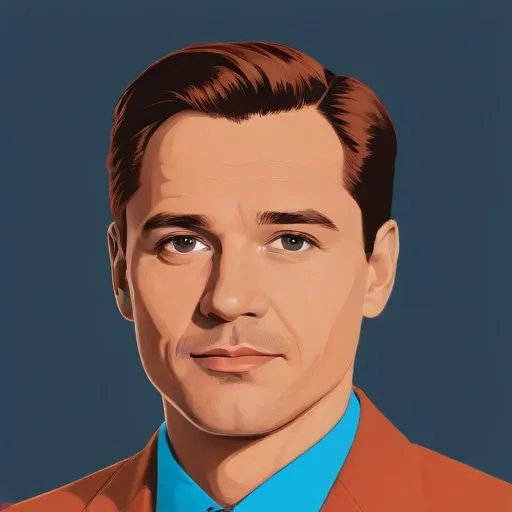
A pioneering figure in Finnish cinema, known for directing and acting in numerous films, particularly in the 1930s and 1940s, leaving a lasting impact on the country's film industry.
Armand Lohikoski is best known for directing a series of iconic Finnish films, including the beloved Pekka ja Pätkä movies, which have become an integral part of Finnish popular culture. With a career spanning over five decades, Lohikoski made a lasting impact on the Finnish film industry, earning him the reputation as one of the most prolific and influential filmmakers of his time.
Born on January 3, 1912, in Finland, Armand Lohikoski began his career in the media industry as a journalist. He quickly made a name for himself, becoming a division director at the Finnish Broadcasting Company, where he produced the country's first radio quiz. His work in radio led to a position as the head of the Helsinki office of Metro-Goldwyn-Mayer Films, further solidifying his reputation as a media innovator.
Lohikoski's foray into film direction began in the 1950s, when he directed 18 feature-length films for Suomen Filmiteollisuus, one of Finland's largest film production companies. His directorial debut, Island Girl (1953), set the tone for his subsequent work, which often blended humor, drama, and social commentary. The Pekka ja Pätkä series, which follows the misadventures of two lovable but mischievous friends, became a national sensation, with Lohikoski directing 13 films in the series between 1953 and 1962.
In addition to his work in film, Lohikoski was a prolific writer. He penned three books: Dollari on lujassa (1946), a travelogue about the YL Male Voice Choir's trip to the United States; Mies puupäälle (1993), his autobiography; and Sattuvasti sanottua (2002), a collection of aphorisms.
Throughout his career, Lohikoski received numerous accolades for his contributions to Finnish cinema. His films continue to be celebrated for their wit, charm, and insight into Finnish culture. Today, he is remembered as a pioneering figure in Finnish film, leaving behind a legacy that continues to inspire new generations of filmmakers and audiences alike.
Armand Lohikoski's personal life was marked by a passion for storytelling and a commitment to his craft. He acted in several of his own films and was known for his engaging personality and quick wit. Lohikoski passed away on March 20, 2005, after a short illness, leaving behind a rich cultural heritage that continues to be cherished in Finland and beyond.
Born in 1900
Academy Award-winning star of Hollywood's Golden Age, known for iconic on-screen partnership with Katharine Hepburn and memorable roles in classics like "Inherit the Wind" and "Guess Who's Coming to Dinner".
Born in 1907
A legendary actress who won four Academy Awards and starred in iconic films like "The Philadelphia Story" and "On Golden Pond", known for her fierce independence and spirited on-screen presence.
Born in 1909
Swashbuckling actor who starred in classic adventure films, charming audiences with his dashing good looks and charismatic on-screen presence.
Born in 1908
A legendary actress who dominated Hollywood's Golden Age with her powerful performances and iconic roles in films like "All About Eve" and "What Ever Happened to Baby Jane?"
Born in 1899
Iconic leading man of classic Hollywood cinema, starring in timeless films like Casablanca and The African Queen, embodying a tough, charismatic on-screen presence.
Born in 1904
Debonair leading man of Hollywood's Golden Age, starring in iconic romantic comedies and dramas, known for suave charm and witty banter.
Born in 1915
A legendary actress who captivated audiences with her natural, emotional performances in films like "Casablanca" and "Autumn Sonata", earning her three Academy Awards.
Born in 1905
A legendary actress who captivated audiences with her iconic performances on the silver screen, earning her the title of Hollywood's first female superstar.
