


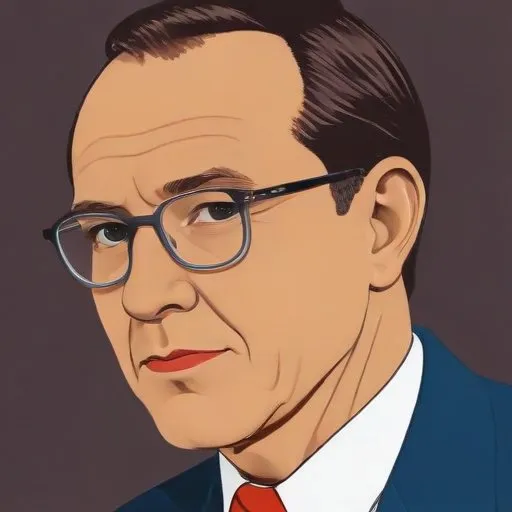
Publisher of The New York Times from 1935 to 1961, known for his leadership during a pivotal period in American history, including World War II and the Cold War.
Arthur Hays Sulzberger, the renowned publisher of The New York Times, revolutionized the newspaper industry with his innovative approach and visionary leadership. From 1935 to 1961, Sulzberger oversaw a period of unprecedented growth, transforming The New York Times into the esteemed publication it is today.
Born on September 12, 1891, in New York City, Sulzberger came from a lineage of esteemed Jewish families. His father, Cyrus Leopold Sulzberger, was a cottongoods merchant, and his mother, Rachel Peixotto Hays, was a descendant of one of the founders of the New York Stock Exchange. Sulzberger's roots ran deep in American history, with his great-great-grandfather, Benjamin Seixas, playing a significant role in the American Revolution.
Sulzberger's education at Horace Mann School (graduating in 1909) and Columbia College (graduating in 1913) laid the foundation for his future success.
In 1918, Sulzberger began his career at The New York Times, eventually becoming publisher in 1935 after the death of his father-in-law, Adolph Ochs. During his tenure, Sulzberger implemented bold changes, including:
Sulzberger's commitment to excellence extended beyond The New York Times. He founded Columbia's original Jewish Advisory Board in 1929 and served on the board of what became Columbia-Barnard Hillel for many years. He also served as a university trustee from 1944 to 1959 and is honored with a floor at the journalism school.
Sulzberger's contributions to journalism and education were recognized with numerous awards, including:
Arthur Hays Sulzberger's legacy extends far beyond his impressive career achievements. He played a crucial role in shaping American journalism, raising the bar for quality reporting, and elevating The New York Times to its current status as a global news leader. His commitment to education and community service continues to inspire generations of journalists, educators, and civic leaders.
Sulzberger's remarkable life serves as a testament to the power of innovative thinking, visionary leadership, and dedication to excellence.
Born in 1858
Pioneering newspaper publisher who revolutionized journalism with his emphasis on objective reporting and in-depth coverage, transforming The New York Times into a respected national institution.
Born in 1909
A Pulitzer Prize-winning journalist and author who covered historic events, including the Nixon presidency and Cold War, writing insightful and accessible books on politics and history.
99 Years Old
A Pulitzer Prize-winning journalist and Harvard professor, known for his in-depth reporting on the Civil Rights Movement and his commentary on the intersection of law and politics.
Born in 1889
Co-founder of The New Republic, a pioneering journalist and publisher who shaped American political discourse with his influential writings and opinions. He's most known for his insightful commentary on democracy, politics, and society.
