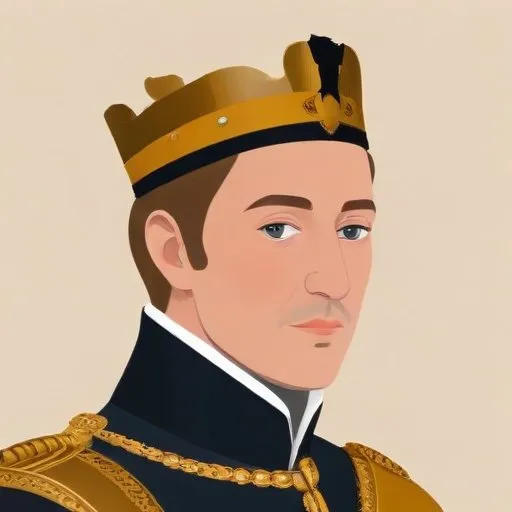
Arthur III, Duke of Brittany: The Illustrious Military Commander and Statesman
A Brief yet Impactful Reign
Arthur III, Duke of Brittany, also known as Arthur de Richemont, is renowned for his exceptional military prowess and administrative reforms that played a crucial role in securing the French victory in the Hundred Years War. During his brief yet significant tenure as Duke of Brittany from 1457 until his death in 1458, Arthur demonstrated unwavering commitment to the House of Valois and fought alongside legendary figures like Joan of Arc.
Early Life and Family
Born on August 24, 1393, at the Château de Suscinio, Arthur was a younger son of Duke John IV and his third wife, Joanna of Navarre, making him a member of the Ducal House of Montfort. His mother's remarriage to Henry IV of England led to her becoming the Queen Dowager of England.
Military Career and Constable of France
Arthur's military career was marked by his bravery and strategic brilliance. He briefly sided with the English, but ultimately remained loyal to the House of Valois. His appointment as Constable of France cemented his position as a leading military commander. Arthur fought alongside
Joan of Arc and played a crucial role in the ultimate defeat of the English in the Hundred Years War.
Administrative Reforms and Legacy
Arthur's administrative reforms in the French state were instrumental in securing the final victory over the English. His efforts modernized the French military and administrative systems, paving the way for a stronger, more unified France.
Titles and Inheritance
Arthur inherited the title of Earl of Richmond, which was previously held by the Dukes of Brittany, although this was not recognized by the English crown. He succeeded his nephew Peter II as Duke of Brittany and Count of Montfort in 1457, holding these titles until his death.
- Titles: Duke of Brittany, Count of Montfort, Earl of Richmond (titular)
- Succeeded by: Francis II, his nephew
Personal Life and Milestones
Arthur's personal life was marked by his unwavering commitment to the French throne and his family. He had no legitimate issue and was succeeded by his nephew Francis II.
Historical Context and Impact
Arthur's life and career were shaped by the tumultuous Hundred Years War, during which he played a crucial role in securing French victory. His military prowess and administrative reforms left a lasting impact on the French state, cementing his legacy as an outstanding statesman and military commander.
Comparative Analysis with Contemporaries
Arthur's military career and administrative reforms place him alongside other notable figures of his time, including Joan of Arc and
Charles VII of France. His unique blend of military and administrative skills set him apart as a remarkable individual who made significant contributions to French history.
Trivia and Fun Facts
- Arthur's mother, Joanna of Navarre, was the queen dowager of England.
- He fought alongside Joan of Arc during the Hundred Years War.
By examining Arthur III, Duke of Brittany's life and achievements, we gain insight into the complexities of medieval French politics and the significance of his military and administrative contributions to the French state. His legacy serves as a testament to the power of effective leadership and the importance of strategic alliances in shaping the course of history.
FAQ
Who was Arthur III, Duke of Brittany?
Arthur III, Duke of Brittany was a Breton nobleman who ruled Brittany from 1457 to 1458 and was a member of the House of Montfort.
What were Arthur IIIs achievements?
Arthur III, Duke of Brittany had a brief but tumultuous reign, marked by conflicts with the French monarchy and internal power struggles.
What was Arthur IIIs relationship with France?
Arthur III, Duke of Brittany faced intense pressure and conflict with the French monarchy, which ultimately led to his deposition and imprisonment.
What is Arthur IIIs significance in Breton history?
Arthur III, Duke of Brittany is significant in Breton history as a symbol of Breton resistance to French domination and a key figure in the complex power struggles of the 15th century.
Where is Arthur III buried?
Arthur III, Duke of Brittany is buried in the Nantes Cathedral in Brittany, France, a testament to his legacy and impact on the region.