


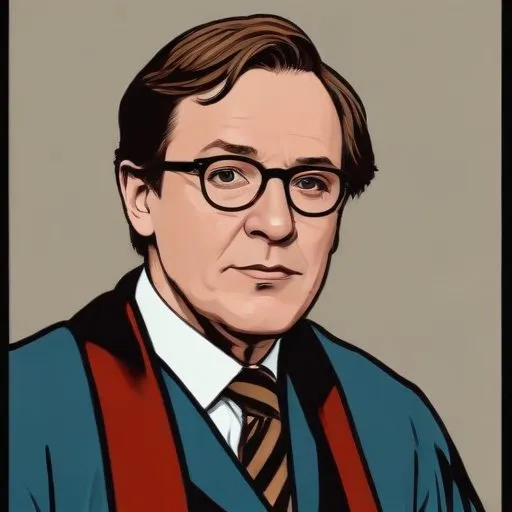
A prominent lawyer and politician who served as Speaker of the House of Commons, known for his fairness and impartiality in presiding over parliamentary debates. He played a significant role in shaping British politics during the 18th century.
Arthur Onslow, the English politician, left an indelible mark on the annals of British history by setting a record for the longest service as Speaker of the House of Commons, an office he held with unwavering integrity from 1728 to 1761. His remarkable tenure spanned an unprecedented 33 years, a testament to his unshakeable commitment to public service.
Born on October 1, 1691, in Kensington, Onslow was the elder son of Foot Onslow and his wife Susannah (née Anlaby). He received his education at The Royal Grammar School, Guildford, and Winchester College, before matriculating at Wadham College, Oxford, in 1708. Although he didn't take a degree, he was called to the bar at the Middle Temple in 1713.
Onslow's career in politics began when he became private secretary to his uncle, Sir Richard Onslow, Chancellor of the Exchequer, during the reign of George I. When Sir Richard left office in 1715, Arthur obtained a position as receiver general of the Post Office. He later became Recorder of Guildford in 1719 and entered Parliament in 1720, representing Guildford.
On October 8, 1720, Onslow married Anne Bridges, daughter of John Bridges of Thames Ditton, Surrey. The marriage brought him significant estates, including Imber Court, which became his principal seat. The Onslows had two children: George Onslow, 1st Earl of Onslow (1731-1814), and Anne Onslow (died 1751).
As Speaker of the House of Commons, Onslow earned a reputation for his impartiality, integrity, and commitment to upholding the dignity of the office. He played a significant role in shaping British politics during the early 18th century, navigating the complexities of party politics and parliamentary procedure with ease.
Onslow was known for his wit, courtesy, and kindliness, earning him the respect and admiration of his contemporaries. He once famously remarked, "I have no ambition but to serve my country, and to leave the world a better place than I found it."
Arthur Onslow's remarkable career serves as a testament to his unwavering dedication to public service. His legacy continues to inspire generations of politicians, civil servants, and citizens alike, reminding us of the importance of integrity, impartiality, and commitment to the common good.
Born in 1676
The first Prime Minister of the United Kingdom, serving from 1721 to 1742, known for establishing the office of Prime Minister and setting important precedents for the role. He is also recognized for his skill in managing Parliament and his role in shaping British politics.
Born in 1683
King of Great Britain and Ireland from 1727 to 1760, known for his military victories, particularly the Battle of Dettingen, and his role in the War of the Austrian Succession.
Born in 1694
The Prime Minister who led Britain through a period of relative peace and stability, and is often credited with being the first Prime Minister in the modern sense, holding office from 1743 to 1754.
Born in 1712
A skilled lawyer and politician who served as Prime Minister of Great Britain, known for implementing the Stamp Act, a taxation policy that sparked American colonial resistance.
