


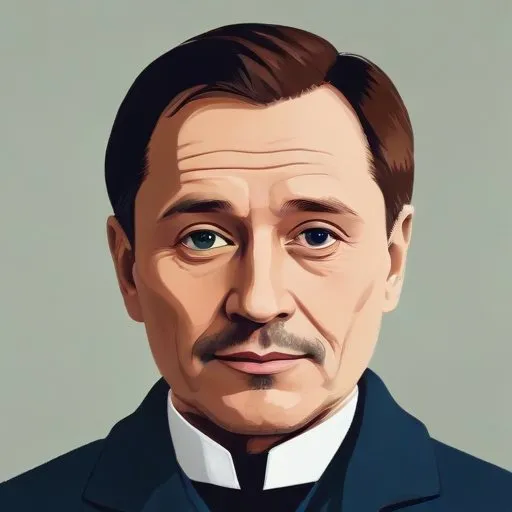
Estonian literary figure, known for his plays and novels that often explored themes of social realism and national identity. His works are considered classics of Estonian literature.
August Mlk, born on October 4, 1900, is renowned for his remarkable contributions to Estonian literature, politics, and cultural heritage. As a celebrated writer, politician, and teacher, Mlk left an indelible mark on the literary landscape of Estonia, captivating readers with his vivid portrayals of life in a fishing village and his advocacy for national identity.
Parallel to his literary pursuits, Mlk was an active participant in Estonian politics. He was a member of the National Constituent Assembly in 1937 and later served in the Chamber of Deputies until the Soviet invasion of Estonia in 1940. His commitment to his country's independence and cultural heritage remained unwavering throughout his life.
Following the Soviet occupation of Estonia in 1944, Mlk fled to Sweden, where he continued to write and advocate for Estonian cultural preservation. He chaired the Estonian Writers' Union Abroad from its inception in 1945 until 1982, fostering a community of writers and intellectuals in exile.
Mlk's literary legacy extends beyond his native Estonia. Several of his novels have been translated into German and Finnish, ensuring his work reaches a broader audience. In 2000, the Estonian Post Office honored his centenary with a commemorative stamp, a testament to his enduring impact on Estonian culture.
August Mlk's contributions to Estonian literature and politics have left a lasting legacy. His writing continues to inspire generations of readers, while his commitment to national identity and cultural preservation remains a powerful symbol of Estonian resilience. As a celebrated writer, politician, and teacher, Mlk's life serves as a testament to the power of creative expression and civic engagement.
Mlk's legacy extends beyond the literary world, influencing Estonian identity and cultural heritage. His commitment to preserving national identity and advocating for independence continues to inspire Estonians around the world.
55 Years Old
Estonian fantasy and horror writer, known for his dark, atmospheric, and often surreal short stories that blend elements of mythology and folklore. His works have been translated into multiple languages and have gained a cult following.
Born in 1898
A German-Swiss soldier and author, best known for writing the classic novel "All Quiet on the Western Front", a powerful anti-war tale that vividly depicts the horrors of World War I.
Born in 1917
A German novelist and short story writer, known for his critical and satirical portrayals of post-war German society, exploring themes of morality, politics, and identity. His works often blended realism with fantastical elements, offering a unique perspective on the human condition.
Born in 1875
A renowned literary mastermind, celebrated for crafting complex, psychologically rich novels that probed the human condition, often blending philosophy and art.
