


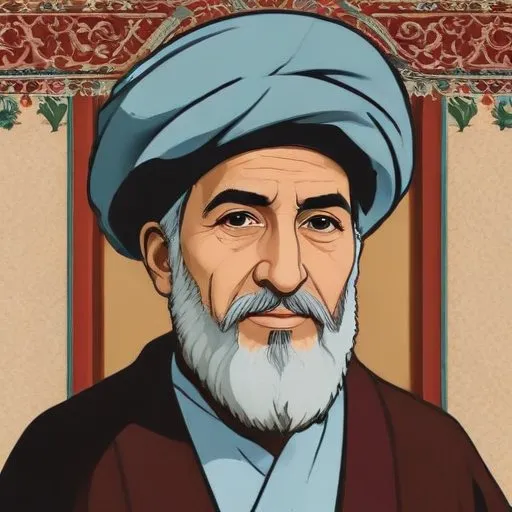
A prominent figure in Persian literature, known for compiling and publishing anthologies of classical and modern Iranian poetry, showcasing the country's rich literary heritage.
Azar Bigdeli, born Hajji LotfAli Beg Azar Bigdeli, is renowned for his remarkable biographical anthology of Persian poets, titled Atashkadehye Azar, or "Azar's Fire Temple". This monumental work, dedicated to Iranian ruler Karim Khan Zand, features an impressive collection of over 850 poets, earning it the distinction of being the most important Persian anthology of the 18th century.
Born on February 7, 1722, in Isfahan, Iran, Azar grew up in a period of turmoil and instability. His family, part of the Turkoman Shamlu tribe, had migrated from Syria to Iran in the 15th century during the reign of Timur. Many of his relatives held prominent positions as diplomats and bureaucrats in the late Safavid era and during the subsequent reign of Nader Shah.
Azar was a leading figure of the bazgashte adabi, or "literary return" movement, which sought to revive the stylistic standards of early Persian poetry. Through his work, he aimed to promote a sense of national identity and cultural heritage, emphasizing the importance of preserving Iran's rich literary traditions.
Around 1735 or 1736, Azar's father, Agha Khan Bigdeli Shamlu, was appointed governor of Lar and the coastal areas of Fars Province by Nader Shah. After his father's death in 1737 or 1738, Azar made pilgrimages to Mecca and the Shiite shrines in Iran and Iraq, before enlisting in Nader Shah's army.
Azar Bigdeli's literary contributions have had a profound impact on Persian literature and poetry, shaping the country's cultural identity and heritage. His work continues to inspire generations of poets, writers, and scholars, cementing his place as one of Iran's most revered literary figures.
Azar Bigdeli's remarkable life and works serve as a testament to his dedication to preserving Iran's rich cultural heritage. His legacy continues to inspire and influence literary minds, solidifying his position as a titan of Persian literature.
Born in 1921
A pioneering female writer and educator who broke literary ground with her Persian novels and short stories, exploring themes of social justice and women's rights.
Born in 1903
A pioneering Iranian writer and translator who blended Persian folklore with European modernism, creating a unique literary style that explored themes of identity, alienation, and social critique.
87 Years Old
A pioneering filmmaker who revolutionized Iranian cinema with his poetic and visually stunning works, exploring themes of identity, culture, and social change.
80 Years Old
Iranian-American author and academic who wrote influential novels and short stories that explored themes of feminism, identity, and social change in Iran, earning her international recognition.
