


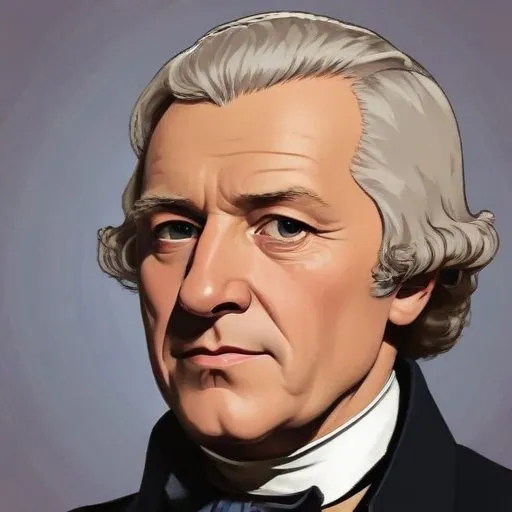
A British cavalry officer who led Loyalist forces during the American Revolutionary War, infamous for his brutal tactics and subsequent defeat at the Battle of Cowpens.
Sir Banastre Tarleton, 1st Baronet, was a British general and politician who made a name for himself as the lieutenant colonel leading the British Legion at the end of the American Revolutionary War. His bravery, strategic thinking, and impressive leadership skills earned him recognition and respect among his peers and beyond.
Tarleton was born on August 21, 1754, to merchant John Tarleton and his wife. His father's successful career in the West Indian sugar trade and management of slaving vessels provided the family with a comfortable lifestyle. Tarleton was educated at Oxford, attending University College, and later at Middle Temple, London, which served as a college for the education of lawyers.
In 1773, at the age of 19, Tarleton inherited £5,000 upon his father's death. However, he quickly squandered almost all of it on gambling and women, mostly at the Cocoa Tree club in London. In 1775, he purchased a commission as a cavalry officer cornet in the 1st Dragoon Guards, marking the beginning of his illustrious military career.
In December 1775, Tarleton sailed from Cork to North America, where the American War of Independence had broken out. He proved to be a gifted horseman and leader of troops, quickly rising through the ranks to lieutenant colonel without having to purchase any further commissions. His bravery and tactical prowess earned him recognition, and he became known for his daring raids and surprise attacks on American forces.
After returning to Great Britain in 1781, at the age of 27, Tarleton was elected to Parliament as a member for Liverpool. He served as a prominent Whig politician for 20 years, during which he was interested in military matters and opposed the abolition of the slave trade. In his later years, Tarleton held commands in Ireland and England, solidifying his reputation as a respected military leader and politician.
Sir Banastre Tarleton's legacy extends beyond his impressive military and political achievements. He remains an important figure in British history, remembered for his bravery, strategic thinking, and leadership skills. His contributions to the British Legion and his service in the American War of Independence have left an indelible mark on the annals of British military history.
Through his extraordinary life, Sir Banastre Tarleton has left behind a legacy that continues to inspire and fascinate historians and enthusiasts alike.
Born in 1723
Led British forces during the American Revolutionary War, ultimately surrendering at Saratoga, a turning point in the war. He was also a playwright and politician.
Born in 1741
A traitorous American general who defected to the British Army during the American Revolutionary War, leading to a pivotal moment in American history.
Born in 1732
The first President of the United States, a military hero who led the country to independence, and set the standard for the office of the presidency. He's known for his honesty, integrity, and leadership skills.
Born in 1742
A skilled military strategist who played a crucial role in the American Revolutionary War, leading the Continental Army to several victories against the British.
