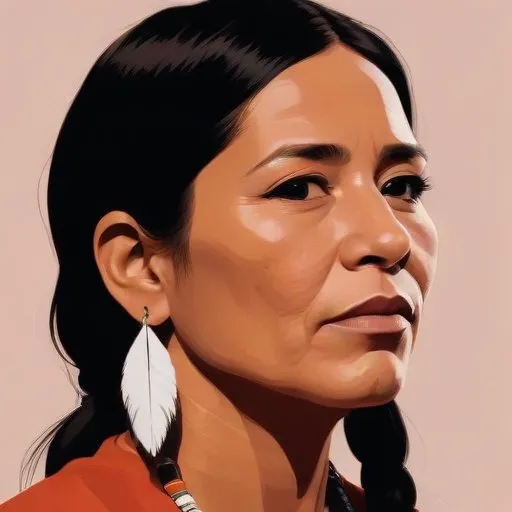
Barbara May Cameron: A Pioneering Native American Photographer and Activist
A Champion of Lesbian, Gay, and Native American Rights
Barbara May Cameron was a multifaceted individual known for her groundbreaking work as a Native American photographer, poet, writer, and human rights activist. She dedicated her life to fighting for the rights of the lesbian and gay community, women, and Native Americans, leaving an indelible mark on the lives of many.
Early Life and Education
Born on May 22, 1954, Cameron was a Hunkpapa Lakota from the Fort Yates band of the Standing Rock Sioux Tribe in Fort Yates, North Dakota. She grew up on the Standing Rock Indian Reservation, where she was raised by her grandparents. Cameron pursued her passion for photography and film at the Institute of American Indian Arts in Santa Fe, New Mexico, and later at the San Francisco Art Institute.
A Career of Activism and Artistry
As a photographer and filmmaker, Cameron won numerous awards for her work, which often focused on the struggles and triumphs of Native American communities. Her unfinished screenplay,
Long Time, No See, remains a testament to her creative vision. In 1975, Cameron co-founded the Gay American Indians (GAI) with Randy Burns, a Northern Paiute, creating the first gay American Indian liberation organization.
Breaking Barriers and Building Communities
Cameron's tireless efforts to promote understanding and acceptance led to several notable achievements. She contributed to the anthology
Our Right to Love, a lesbian resource book, in 1978. Between 1980 and 1985, she played a key role in organizing the Lesbian Gay Freedom Day Parade and Celebration. Her article, "Gee, You Don't Seem Like an Indian from the Reservation," published in
This Bridge Called My Back: Writings by Radical Women of Color, remains a powerful critique of racism and homophobia within and outside Native American communities.
A Legacy of Love and Liberation
Through her work, Cameron empowered countless individuals to embrace their identities and fight for their rights. Her contributions to
A Gathering of Spirit: A Collection of Writing and Art by North American Indian Women, a landmark collection, continue to inspire new generations of activists and artists. Barbara May Cameron's remarkable life serves as a testament to the power of courage, creativity, and determination.
Remembering a Life of Purpose
Though Cameron's life was cut short on February 12, 2002, her legacy endures. Her unwavering commitment to social justice and her tireless efforts to promote understanding and acceptance have left an indelible mark on our world. As we reflect on her life and work, we are reminded of the importance of compassion, empathy, and activism in creating a more just and equitable society.
Inspirational Quotes
- "Gee, you don't seem like an Indian from the reservation." - Cameron's critique of racism and homophobia
- "We need to create our own spaces, our own organizations, and our own media." - Cameron on the importance of community building
Awards and Recognition
Throughout her career, Cameron received numerous awards for her photography, filmmaking, and activism. Her work continues to be celebrated and recognized for its impact on promoting social justice and human rights.
Impact on Modern Society
Barbara May Cameron's legacy extends far beyond her own community. Her pioneering work has inspired countless individuals to embrace their identities, challenge societal norms, and fight for their rights. As we continue to strive for a more just and equitable world, Cameron's life and work serve as a powerful reminder of the importance of compassion, empathy, and activism.
FAQ
What are the major human rights issues addressed by Barbara May Cameron?
Barbara May Cameron, a Native American human rights activist, has dedicated her life to addressing issues such as land rights, cultural preservation, and social justice for indigenous communities.
What is Barbara May Camerons role in promoting Native American rights?
As a prominent advocate, Barbara May Cameron has worked tirelessly to raise awareness about Native American rights, participating in protests, rallies, and policy initiatives to promote equal opportunities and protect indigenous cultures.
How does Barbara May Camerons activism impact indigenous communities?
Through her activism, Barbara May Cameron has empowered indigenous communities to take control of their own destinies, promoting self-determination, and preserving cultural heritage for future generations.
What are some notable achievements of Barbara May Camerons advocacy?
Barbara May Camerons advocacy efforts have led to significant policy changes, such as the passage of legislation protecting Native American rights, and her work has inspired a new generation of Indigenous leaders and activists.
What inspires Barbara May Camerons passion for human rights?
Barbara May Camerons passion for human rights is deeply rooted in her own experiences as a Native American woman, and her commitment to creating a more just and equitable society for all indigenous peoples.