


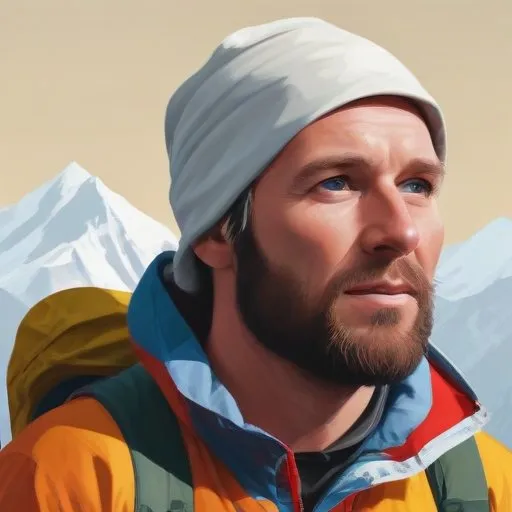
A pioneering mountaineer, photographer, and scholar who captured the majesty of the Himalayas through his lens and contributed significantly to our understanding of Tibetan culture. His iconic images and writings continue to inspire adventurers and scholars alike.
Barry Chapman Bishop was a trailblazing American mountaineer, scientist, photographer, and scholar who etched his name in history by becoming one of the first Americans to summit Mount Everest in 1963. As a member of the American Mount Everest Expedition led by Norman Dyhrenfurth, Bishop, along with Lute Jerstad, reached the summit via the South Col route, marking a monumental achievement in the world of mountaineering.
Born on January 13, 1932, to Robert Wilson Bishop, a sociologist, and Helen Rebecca Bishop, Barry was fascinated by climbing from an early age. Spending his summers with the YMCA in Colorado, he joined the Colorado Mountain Club at the tender age of nine or ten, where he was mentored by seasoned climbers, many of whom were also members of the 10th Mountain Division. By the time he was 12, Bishop was guiding expeditions in the Rockies and Tetons, demonstrating his natural aptitude for mountaineering.
Bishop's impressive climbing resume includes several notable first ascents, including the West Butress route on Denali in 1951 and the South West ridge route on the 6,170-meter Himalayan peak Ama Dablam in 1961. His expertise extended beyond climbing, as he worked for the National Geographic Society for most of his life, serving as a picture editor, photographer, writer, and scientist. During his tenure, he contributed significantly to the society's efforts, capturing breathtaking images and documenting his expeditions through compelling storytelling.
In recognition of his achievements, Bishop was posthumously inducted into the Walnut Hills High School hall of fame in 2007. His legacy continues to inspire future generations of climbers and scientists, cementing his place as one of the most revered figures in the world of mountaineering.
Bishop's personal milestones were marked by his passion for climbing and exploration. He attended Dartmouth College, where he roomed with fellow climber and future expedition teammate, Jim Whittaker. After completing his undergraduate education, Bishop went on to pursue a career in science and photography, ultimately becoming a respected figure in both fields.
Bishop's approach to climbing and exploration was rooted in a deep respect for nature and a commitment to scientific inquiry. He believed in the importance of documenting and sharing his findings, perpetuating a sense of wonder and awe for the natural world.
Bishop's pioneering spirit and remarkable achievements have left an indelible mark on the world of mountaineering and beyond. His contributions to science, photography, and exploration have inspired countless individuals to pursue careers in these fields, while his legacy continues to captivate and motivate people around the world.
Bishop's relationships with his fellow climbers and expedition teammates were built on a foundation of mutual respect and trust. His partnership with Lute Jerstad, with whom he shared the honor of becoming the second and third Americans to stand on Everest's summit, remains one of the most iconic and enduring in the history of mountaineering.
Bishop's remarkable achievements have been featured in various forms of media, including films, literature, and documentary series. His story has captivated audiences worldwide, inspiring a new generation of climbers, scientists, and explorers.
Born in 1914
First Nepalese-Indian person to reach Mount Everest's summit, alongside Sir Edmund Hillary, marking a historic achievement in mountaineering.
Born in 1919
First person to reach the summit of Mount Everest, leading a historic expedition in 1953, and a humanitarian who worked to improve the lives of Nepalese people.
82 Years Old
First person to climb all 14 eight-thousander peaks, including Mount Everest, and a renowned explorer of remote regions. He has written extensively about his expeditions and has held public office in Italy.
84 Years Old
Austrian mountaineer and skier who pioneered a new style of alpine climbing, emphasizing speed, minimal equipment, and partnership, and first ascended the North Face of the Eiger with Reinhold Messner. He's also a renowned ski instructor and author.
Born in 1926
A pioneering climber and educator who led the first American ascent of Everest's West Ridge and founded the Outward Bound program, inspiring generations of outdoor enthusiasts.
