


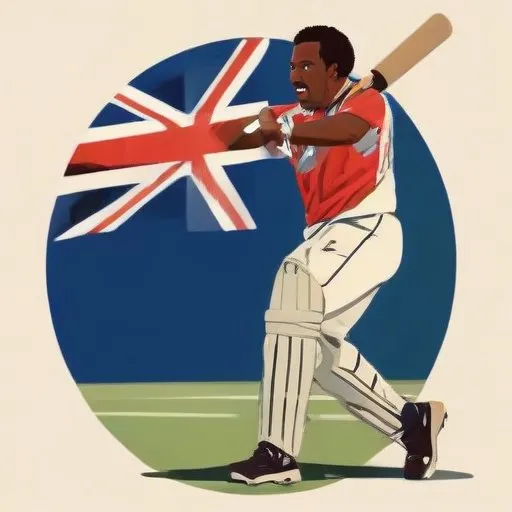
A South African-English sportsman who excelled in both cricket and football, known for his exceptional all-round skills and trailblazing career that helped break down racial barriers in sport.
Basil DOliveira, a South African-born English cricketer, etched his name in the annals of history with his courageous stance against apartheid, a system of institutionalized racial segregation in South Africa. His potential selection for the 1968-69 England tour of South Africa sparked the DOliveira Affair, a controversy that shook the cricketing world and ultimately led to the cancellation of the tour.
Born on October 4, 1931, in Signal Hill, Cape Town, DOliveira hailed from a religious Catholic family of Portuguese descent. Growing up, he would often sneak into the Newlands Cricket Ground to watch matches, hiding in the trees outside the stadium. This early fascination with the game laid the foundation for his future success.
DOliveira's talent on the field earned him the captaincy of South Africa's non-white national cricket team. He also played football for the non-white national side. In 1960, with the support of John Arlott and the members of St Augustines Cricket Club, he emigrated to England, where he joined the Central Lancashire League team of Middleton. His big break came in 1964 when he joined the Worcestershire County Cricket Club, becoming a British citizen in the process.
In 1966, DOliveira made his debut for the England cricket team as an all-rounder, facing the West Indies in the second Test. His impressive performance, including a score of 76 and 54 in the third Test, cemented his place in the team. However, his selection for the 1968-69 tour of South Africa sparked a heated debate, with the apartheid regime refusing to allow a non-white player to participate. The resulting controversy, known as the DOliveira Affair, led to the cancellation of the tour.
DOliveira's courageous stance against apartheid inspired a generation of cricketers and ordinary people to speak out against racial segregation. His story served as a powerful symbol of resistance against oppression, paving the way for future generations to fight for equality and justice.
Basil DOliveira's legacy extends beyond his impressive cricketing career. He remains an icon of resistance against apartheid, an inspiration to those who fought for equality and justice. His story serves as a powerful reminder of the importance of standing up against oppression, and his courage continues to inspire generations to come.
93 Years Old
A highly skilled and technically sound batsman, known for his elegant style and impressive record in Test cricket, earning him a place among the all-time greats.
91 Years Old
A dominant all-rounder, known for his aggressive batting style and pace bowling, who captained England in the 1960s. He's also a former England cricket team selector.
95 Years Old
A fast-bowling legend who took 307 wickets in 67 Tests, known for his aggressive style and ability to intimidate batsmen. He's a cricketing icon, celebrated for his on-field exploits and charismatic personality.
57 Years Old
A Rhodesian-born English footballer and manager who played for clubs like Manchester United and Bolton Wanderers, and later managed teams like ASEAN Club Championship winners, Pahang FA.
79 Years Old
A charismatic cricket commentator and former all-rounder, known for his flamboyant style and outspoken views on the game. He brought a new level of enthusiasm and energy to cricket broadcasting.
82 Years Old
A former Australian cricket captain and legendary batsman, known for his aggressive playing style and insightful commentary. He's a household name in the cricket world, sharing his expertise with fans globally.
68 Years Old
A fearsome fast bowler and astute coach, renowned for his exceptional skill and innovative tactics that inspired generations of cricketers.
