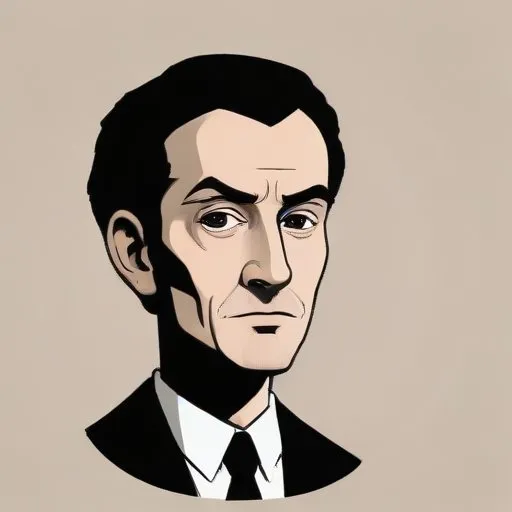
Benito Pérez Galdós: The Spanish Literary Giant
A Prolific Novelist and Playwright
Benito Pérez Galdós was a renowned Spanish novelist and playwright, widely regarded as one of the most important literary figures of the 19th century. With an impressive oeuvre of 31 major novels, 46 historical novels, 23 plays, and numerous shorter works, Galdós left an indelible mark on Spanish literature.
Early Life and Inspiration
Born on May 10, 1843, in Las Palmas, Gran Canaria, Galdós was the tenth and last son of Lieutenant Colonel Don Sebastián Pérez and Doña Dolores Galdós. Growing up in a family deeply rooted in Spanish culture and history, Galdós developed a passion for literature and the arts from a young age. His early years were marked by a love for reading and writing, which would eventually become the foundation of his illustrious career.
Galdós' literary contributions are multifaceted and far-reaching. His novels, such as Fortunata y Jacinta and Marianela, are considered some of the greatest works of Spanish literature. His plays, like Realidad (1892), are significant in the history of Spanish theatre, showcasing his mastery of the realist style. Galdós' writing is characterized by its nuanced portrayal of Spanish society, its critique of social norms, and its exploration of the human condition.
Galdós' philosophical leanings were rooted in his liberal and republican beliefs. He was a strong advocate for social justice, gender equality, and individual freedom. His writing often reflected his commitment to these principles, providing a platform for social commentary and critique. Galdós' philosophical contributions extend beyond his literary works, influencing Spanish thought and culture in the late 19th and early 20th centuries.
- Fortunata y Jacinta (1886-1887) - a novel of manners that explores the complexities of Spanish society
- Marianela (1878) - a novel that critiques the treatment of women and the marginalized in Spanish society
- Realidad (1892) - a play that marks a significant milestone in the history of Spanish theatre
- La desheredada (1881) - a novel that examines the consequences of social and economic change in Spain
- Elected deputy for Guayama, Puerto Rico in 1886
- Joined the Republican Party and was elected deputy to the Madrid cortes in 1907 and 1910
- Elected deputy for Las Palmas in 1914
Galdós' literary legacy extends far beyond his own lifetime. His works continue to be studied and admired in Spain and beyond, influencing generations of writers, artists, and thinkers. His commitment to social justice, equality, and individual freedom has inspired countless individuals to work towards a more equitable society.
Despite his literary merit, Galdós faced opposition and boycotts from conservative sectors of Spanish society, particularly the Catholic Church. His liberal and republican beliefs, as well as his critique of social norms, led to controversy and public scrutiny. Nevertheless, Galdós remained committed to his artistic vision, refusing to compromise his values and principles.
Benito Pérez Galdós' legacy is multifaceted and far-reaching. He is widely regarded as one of the greatest Spanish novelists of all time, alongside Miguel de Cervantes. His works continue to be celebrated for their literary merit, social commentary, and historical significance. Galdós' life and legacy serve as a testament to the power of art to inspire, educate, and transform society.
FAQ
Who was Benito Pérez Galdós and what did he do?
Benito Pérez Galdós was a Spanish novelist, playwright, and politician who is considered one of the most important Spanish realist writers of the 19th century.
What are Benito Pérez Galdós most famous works?
Benito Pérez Galdós most famous works include the novel Fortunata and Jacinta and the play Electra, which are considered classics of Spanish literature.
What were Benito Pérez Galdós contributions to Spanish literature?
Benito Pérez Galdós was a key figure in the development of Spanish realism, and his works provide a detailed and nuanced portrayal of Spanish society and politics in the 19th century.
Did Benito Pérez Galdós receive any awards or recognition for his work?
Yes, Benito Pérez Galdós was awarded the Cervantes Prize in 1904, which is considered the highest literary honor in the Spanish-speaking world.
Where can I find more information about Benito Pérez Galdós life and work?
More information about Benito Pérez Galdós life and work can be found at the Instituto Cervantes, which has a collection of his papers and writings.