


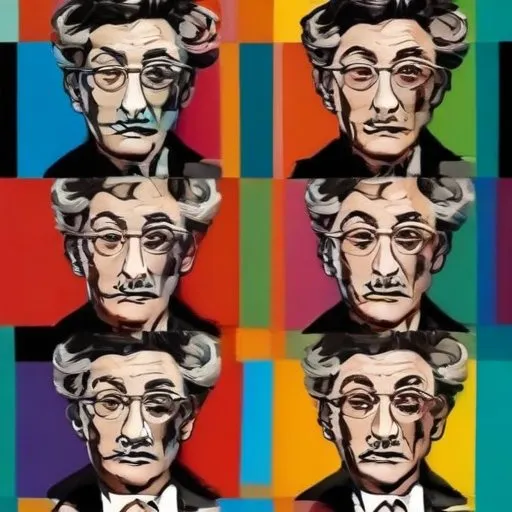
A renowned journalist, author, and broadcaster, known for his witty and incisive commentary on politics, culture, and society. He wrote for The Times and presented various TV programs, including "The Levin Interviews".
Bernard Levin was a British journalist, author, and broadcaster who was renowned for his piercing wit, incisive commentary, and biting satire. With a career spanning over four decades, he was dubbed "the most famous journalist of his day" by The Times, leaving an enduring impact on modern parliamentary sketches and beyond.
Born on August 19, 1928, in London, Levin was the second child and only son of Philip Levin, a tailor of Jewish Bessarabian descent, and his wife, Rose. Despite his father's abandonment, Levin's maternal grandparents, who had emigrated from Lithuania, played a vital role in his upbringing.
Levin's academic prowess earned him a scholarship to the independent school Christs Hospital, followed by a degree from the London School of Economics in 1952. This laid the foundation for his entry into the world of journalism, initially with the BBC, where he selected press cuttings for use in programmes.
Levin's big break came in 1953 when he joined the editorial staff of the weekly periodical, Truth. He soon became known for his biting wit and irreverent style, which was showcased in his television reviews for the Manchester Guardian and his weekly political column in The Spectator. This marked the beginning of his reign as a prominent satirist, influencing modern parliamentary sketches and politics.
During the 1960s, Levin wrote five columns a week for the Daily Mail, covering a wide range of topics with his signature panache. His independence and refusal to be censored led to a disagreement with the proprietor in 1970, prompting his move to The Times, where he remained as resident columnist until his retirement.
Levin's foray into broadcasting began with the weekly satirical television show That Was the Week That Was in the early 1960s. He later became a panellist on the musical quiz, Face the Music, and ventured into travel programmes in the 1980s. Levin's literary debut came in the 1970s, with the publication of 17 books between 1970 and 1998, cementing his status as a prolific author.
Sadly, Levin's life was cut short by Alzheimer's disease, which he developed in the early 1990s. This forced him to relinquish his regular column in 1997 and eventually cease writing altogether. Bernard Levin passed away on August 7, 2004, leaving behind a legacy of irreverent journalism, biting satire, and a profound impact on modern media.
Levin's influence on modern parliamentary sketches and journalism as a whole continues to be felt. His pioneering work in satire and his unwavering commitment to free expression have inspired generations of journalists, authors, and broadcasters. As a testament to his enduring legacy, Bernard Levin remains an icon of British journalism, celebrated for his razor-sharp wit and his unyielding dedication to the craft.
Born in 1922
A celebrated author of comedic novels of manners, known for his witty, satirical portrayals of British life and society. His works often explored the human condition, love, and morality.
Born in 1922
A celebrated wordsmith, crafting poignant and introspective poetry and novels that capture the essence of post-war England, exploring themes of love, loss, and the human condition.
Born in 1903
A British literary critic and author, known for his witty and insightful reviews, as well as his own novels and autobiographical works that explored the human condition.
Born in 1899
A Russian-born novelist and critic, renowned for crafting intricate, lyrical prose and exploring themes of identity, morality, and the human condition through works like "Lolita" and "Pale Fire".
74 Years Old
A Canadian actor who appeared in over 150 films and TV shows, often playing Native American and First Nations characters, and was a pioneer for Indigenous representation in media.
Born in 1903
A renowned English writer, known for his witty satires and novels of manners, particularly "Brideshead Revisited", which explores the British aristocracy's decline.
Born in 1903
A renowned writer of dystopian classics, such as "1984" and "Animal Farm", who warned of totalitarianism's dangers through allegorical fiction.
98 Years Old
A renowned journalist and historian who edited The Sunday Times, exposing government secrets and fighting for press freedom, and wrote influential books on history and politics.
