


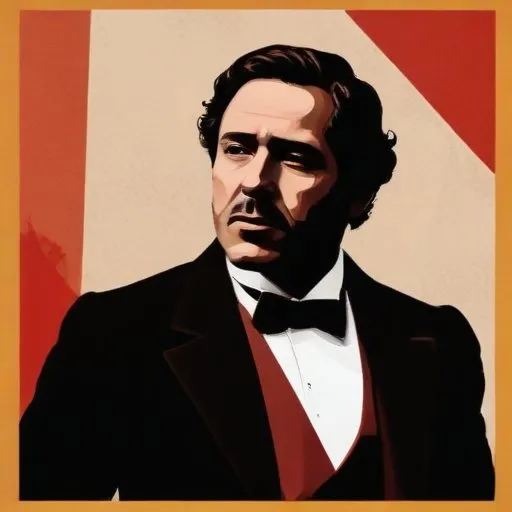
A 12th-century Sicilian monk who performed miracles and was known for his humility, kindness, and charity. He's revered for his intercessions and healing powers.
Bernard of Corleone, born Filippo Latini, is revered for his remarkable transformation from a hot-headed soldier to a devoted Capuchin friar, earning him sainthood in 2001. This Sicilian saint's life was a testament to the power of repentance and redemption, as he traded his sword for a life of servitude and prayer.
Filippo Latini was born on February 6, 1605, in Corleone, Sicily, to a family of modest means. His father, Leonardo, was a compassionate shoemaker who instilled in his children the value of kindness and charity. Despite the pious nature of his family, Filippo's path was marked by turmoil and violence.
Following his father's death in 1620, Filippo took up his father's trade, but soon abandoned it to pursue a life of soldiery. He became skilled in fencing and developed a fearsome reputation for his short temper, often challenging others to duels at the slightest provocation. This volatile nature earned him the nickname "the fierce one."
In the summer of 1624, a fateful duel with professional assassin Vito Canino left Filippo shaken. He had seriously injured his opponent, an event that witnessed by many, and it sparked a profound crisis of conscience within him. Fearing for his soul, Filippo fled to the Franciscans in Palermo, where he experienced a radical conversion and repentance for his past misdeeds.
Under the guidance of the Franciscans, Filippo discovered a new sense of purpose and dedicated himself to a life of prayer, penance, and service. He renounced his violent past and took the name Bernard, in honor of the saint. This transformation was so complete that even his contemporaries marveled at the change, describing him as a new man.
As a Capuchin friar, Bernard dedicated himself to a life of humility and charity. He spent his days in prayer, meditation, and service to the poor and marginalized. His devotion to St. Francis of Assisi inspired him to care for the sick, the poor, and the outcast, reflecting the values of his patron saint.
Bernard's piety and compassion earned him a reputation as a holy man, and people from all walks of life sought his counsel and guidance. His love for God and humanity was contagious, inspiring others to follow in his footsteps.
In recognition of his extraordinary life and virtues, Pope John Paul II canonized Bernard of Corleone on June 10, 2001. Today, Bernard's legacy serves as a testament to the power of redemption and the human capacity for change. His Feast Day, January 12, is celebrated by Catholics around the world, honoring the turbulent soldier turned pious friar who continues to inspire generations.
Bernard's remarkable journey from violence to virtue reminds us that no life is beyond redemption, and that even in the darkest of times, the power of forgiveness and love can transform us.
Born in 1416
Founded the Order of the Minims, a Catholic religious order dedicated to humility, simplicity, and charity, and known for their devotion to prayer and helping the poor. They performed many miracles and were revered for their piety.
Born in 1386
A 14th-century Italian priest and saint who led a crusade against the Ottoman Empire and was known for his military prowess and spiritual leadership. He's often depicted in art as a warrior-monk, symbolizing the intersection of faith and martial valor.
Born in 1350
A 14th-century Dominican friar who preached against anti-Semitism and converted thousands of Jews to Christianity, earning him the title "Angel of the Apocalypse."
Born in 1380
A 15th-century Italian priest and missionary who preached against usury and promoted devotion to the Holy Name of Jesus, leaving a lasting impact on the Catholic Church.
Born in 1347
A 14th-century Italian mystic and Doctor of the Church, known for her intense spiritual experiences, influential writings, and advocacy for the poor and the unity of the Church.
Born in 1491
Founded the Jesuit Order, a Catholic religious organization known for its missionary and educational work, and developed the Spiritual Exercises, a guide for spiritual growth and discernment.
