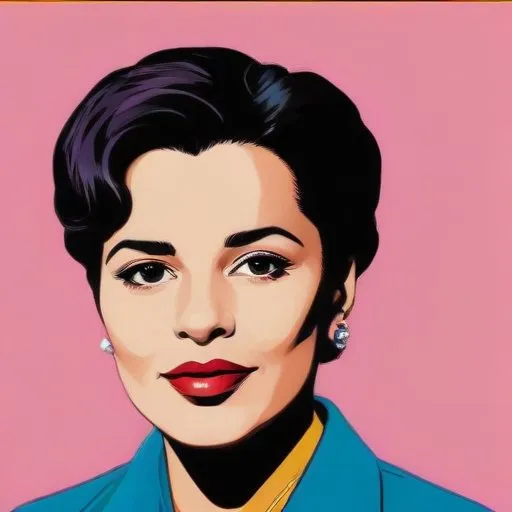
Bessie Head: A Pioneering Writer of Spiritual and Autobiographical Works
Known for her Hauntingly Beautiful Prose and Unflinching Honesty
Bessie Head is renowned for her evocative and introspective writings, which delve into the complexities of the human experience, spirituality, and the search for identity. Her works, which often blur the lines between fiction and autobiography, offer a unique glimpse into the life of a writer who defied conventions and challenged the status quo.
A Turbulent Childhood and Path to Literary Success
Born on July 6, 1937, in Pietermaritzburg, South Africa, Bessie Head's life was marked by uncertainty and upheaval from the very beginning. Her mother, Bessie Amelia Emery, was institutionalized for mental illness, and Head was subsequently placed with a series of foster families. This tumultuous start in life would later influence her writing, which often explores themes of identity, belonging, and the search for meaning.
Major Works and Literary Contributions
Head's literary career spanned several decades and multiple genres. Some of her most notable works include:
- The Question of Power (1974) - A semi-autobiographical novel that explores the complexities of identity, power, and relationships.
- A Question of Power (1974) - A hauntingly beautiful novel that delves into the world of dreams, mythology, and spirituality.
- The Collector of Treasures (1977) - A collection of short stories that showcase Head's mastery of the form.
- Serowe: Village of the Rain Wind (1981) - A poignant and introspective work that explores the connections between people, place, and culture.
Awards and Honors
Throughout her career, Head received numerous accolades for her contributions to literature. Some of her notable awards include:
- The South African CNA Literary Award (1974) for The Question of Power
- The Botswana National Order of Meritorious Service (1984)
Legacy and Impact
Bessie Head's writing has had a profound impact on modern literature, inspiring generations of writers and scholars. Her work continues to be celebrated for its lyricism, depth, and unwavering commitment to exploring the human condition.
Personal Milestones and Key Life Events
Head's life was marked by several significant events that shaped her writing and worldview. Some of these milestones include:
- Moving to Botswana in 1964, where she would spend the remainder of her life and find inspiration for much of her work.
- Becoming a Botswana citizen in 1979, a decision that reflected her deep connection to the country and its people.
Philosophical Contributions and Beliefs
Head's writing is infused with a deep sense of spirituality and a profound respect for the natural world. Her work often grapples with existential questions, encouraging readers to confront the mysteries of life and the human condition.
Influence on Modern Society
Bessie Head's writing has had a lasting impact on modern society, inspiring a new generation of writers, scholars, and thinkers. Her work continues to challenge conventional norms and spark important conversations about identity, culture, and the human experience.
FAQ
What are Bessie Heads most famous works?
Bessie Head is best known for her novels, including When Rain Clouds Gather and A Question of Power, which explore themes of identity, freedom, and social justice in Botswana.
What was Bessie Heads early life like?
Bessie Head was born in Pietermaritzburg, South Africa, in 1937. She grew up in an orphanage and later moved to Botswana, where she began her writing career.
How did Bessie Heads writing style evolve?
Bessie Heads writing style shifted from realistic to more symbolic and experimental as she explored African identity and culture in her works.
What awards did Bessie Head win?
Bessie Head won several awards, including the Rhodesian Writers Prize and the South African CNA Literary Award, for her contributions to literature.
What is Bessie Heads legacy in African literature?
Bessie Head is considered a pioneering figure in African literature, known for her powerful storytelling and exploration of themes relevant to Botswana and the African diaspora.