


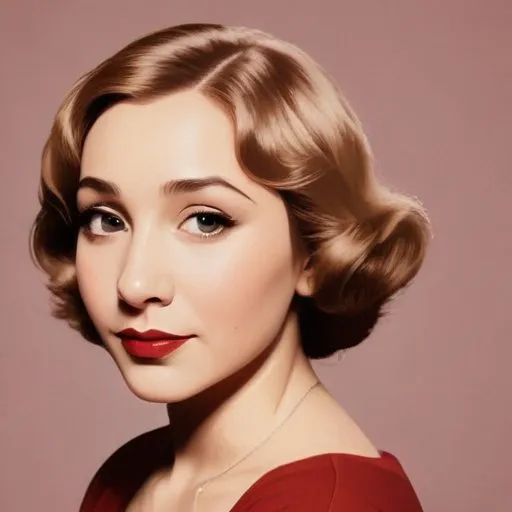
Early Hollywood starlet known for her charming on-screen presence and iconic flapper girl roles in silent films, particularly in the 1920s.
Bessie Love was an American-British actress who achieved prominence playing innocent, young girls and wholesome leading ladies in silent and early sound films. She is best known for her iconic performance in The Broadway Melody (1929), which earned her a nomination for the Academy Award for Best Actress.
Born Juanita Horton on September 10, 1898, in Midland, Texas, Love grew up in a family that valued hard work and determination. Her father, John Cross Horton, was a cowboy, bartender, and eventually a chiropractor, while her mother, Emma Jane Horton (née Savage), worked in and managed restaurants. The family moved to Arizona, New Mexico, and eventually California, settling in Hollywood, where Love's fascination with the film industry began.
Love's introduction to the film world was made possible by actor Tom Mix, who recommended that she visit him on set. However, when Mix was unavailable, she met with pioneering film director D.W. Griffith, who placed her under personal contract. Griffith's associate, Frank Woods, gave Love the stage name "Bessie Love," deeming it easy to pronounce and memorable.
Love's film career began with a small role in Griffith's Intolerance (1916), although it was her ninth film to be released. She dropped out of high school to pursue her film career but completed her diploma in 1919. During the silent era, Love worked with Griffith's Fine Arts company, making films that showcased her innocence and charm.
With the advent of sound in films, Love transitioned seamlessly, continuing to play leading lady roles. Her performance in The Broadway Melody (1929) earned her critical acclaim and an Academy Award nomination. Although she continued to act in films, radio, and television throughout her career, Love's popularity waned in the 1930s and 1940s.
Bessie Love's contribution to the film industry is undeniable. She was one of the first actresses to make a successful transition from silent films to talkies. Love's legacy extends beyond her film career, as she paved the way for future generations of actresses. Her wholesome image and innocent charm continue to inspire actresses today.
Love married William Hawk, a film director, in 1929, and the couple had one son, William Hawk Jr. She passed away on April 26, 1986, at the age of 87, leaving behind a legacy that continues to inspire and delight audiences.
Born in 1892
A pioneering actress, producer, and screenwriter who co-founded United Artists, revolutionizing the film industry with her creative vision and business acumen. She was a silent film star and one of the most popular actresses of her time.
Born in 1898
Silent film star and director who charmed audiences with her expressive face and comedic timing, starring in over 100 films from 1912 to 1963.
Born in 1893
Pioneering silent film star and director, known for her iconic performances in classics like "The Birth of a Nation" and "Broken Blossoms".
Born in 1889
A pioneer of silent film, he is renowned for his iconic "Little Tramp" character and groundbreaking work in writing, directing, and starring in his own movies.
Born in 1875
Pioneering filmmaker behind groundbreaking silent movies, credited with developing innovative camera techniques and narrative storytelling styles.
Born in 1897
A silent film star and comedian, known for her charming on-screen presence and high-profile romance with newspaper magnate William Randolph Hearst.
Born in 1895
Silent film heartthrob and sex symbol, known for his iconic roles in films like "The Four Horsemen of the Apocalypse" and "The Sheik", captivating audiences with his exotic good looks and charming on-screen presence.
Born in 1905
A legendary actress who captivated audiences with her iconic performances on the silver screen, earning her the title of Hollywood's first female superstar.
