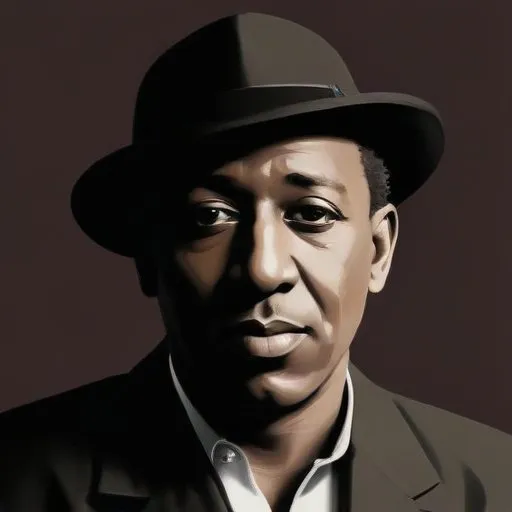
Big Bill Broonzy: The Blues Legend Who Bridged the Rural-Urban Divide
A Prolific Songwriter and Performer
Big Bill Broonzy was an American blues singer, songwriter, and guitarist who left an indelible mark on the music world. With a career spanning over three decades, he copyrighted more than 300 songs, including adaptations of traditional folk songs and original blues compositions that reflected his rural-urban experiences.
The Early Years
Born Lee Conley Bradley in 1893 or 1903 (the exact date and place of birth are disputed), Broonzy was one of 17 children of Frank Broonzy Bradley and Mittie Belcher. Growing up in Lake Dick, Arkansas, he began playing music at an early age, making himself a fiddle from a cigar box at the age of 10. He learned how to play spirituals and folk songs from his uncle, Jerry Belcher, and soon began performing at social and church functions with his friend, Louis Carter.
A Career of Evolution and Innovation
Broonzy's career began in the 1920s, playing country music to mostly African American audiences. However, in the 1930s and 1940s, he navigated a significant change in style, adopting a more urban blues sound that resonated with working-class black audiences. This transformation not only showcased his versatility as an artist but also reflected his own experiences of migrating from rural Arkansas to urban Chicago.
The Folk Music Revival and International Acclaim
In the 1950s, Broonzy returned to his traditional folk-blues roots, which led to his involvement in the emerging American folk music revival. This period saw him gain international recognition, performing with artists such as
Pete Seeger,
Woody Guthrie, and
Muddy Waters. His unique style and repertoire captivated audiences worldwide, solidifying his position as a leading figure in blues music.
Philosophical Contributions and Beliefs
Through his music, Broonzy addressed social issues, such as racism and inequality, and advocated for the preservation of traditional folk music. He believed that music had the power to bring people together and inspire social change. His philosophical approach to music earned him respect and admiration from his contemporaries and subsequent generations of musicians.
Personal Milestones and Key Life Events
- In 1951, Broonzy traveled to Europe, performing in Paris, Amsterdam, and London, which marked the beginning of his international career.
- In 1953, he collaborated with Pete Seeger on the album "Big Bill Broonzy Sings Folk Songs," which showcased his ability to blend traditional folk music with blues.
- In 1955, Broonzy became a prominent figure in the American folk music revival, performing at the first Newport Folk Festival.
Influence on Modern Society
Big Bill Broonzy's impact on blues music and American folk culture is immeasurable. He influenced generations of musicians, including
Bob Dylan,
Eric Clapton, and
Neil Young, who have cited him as an inspiration. His music continues to inspire social commentary, and his legacy serves as a testament to the power of music to bring people together and drive social change.
Quotes and Memorable Sayings
- "If you feel like singing, don't let anyone stop you. If you feel like dancing, don't let anyone stop you. If you feel like praying, don't let anyone stop you."
- "I've been all around this whole wide world, but I've never seen a place that's better than my hometown."
Legacy and Historical Context
Big Bill Broonzy's life and career serve as a testament to the evolution of blues music and American folk culture. His unique style, which blended traditional folk music with urban blues, continues to inspire musicians and scholars alike. As a pioneering figure in the development of blues music, Broonzy's legacy ensures that his music will continue to resonate with audiences for generations to come.
FAQ
What is Big Bill Broonzys significance in American blues music?
Big Bill Broonzy was a pivotal figure in American blues music, known for his innovative guitar playing and soulful vocals. He was a key figure in the development of Chicago blues and influenced many famous musicians, including Bob Dylan and Eric Clapton.
What is Big Bill Broonzys background in music?
Broonzy started his music career in the 1920s, playing country blues and traveling with medicine shows. He eventually moved to Chicago and became a prominent figure in the citys blues scene.
What is Big Bill Broonzys most famous song?
Broonzys most famous song is Key to the Highway, which has been covered by many artists, including Eric Clapton and Bill Monroe.
How did Big Bill Broonzy influence folk music?
Broonzys music and storytelling style influenced the development of folk music, with many folk musicians, including Pete Seeger and Woody Guthrie, drawing inspiration from him.
What is Big Bill Broonzys legacy in music?
Broonzys legacy extends far beyond his own music, with his influence felt in blues, folk, and rock music. He is widely regarded as one of the most important figures in American music history.