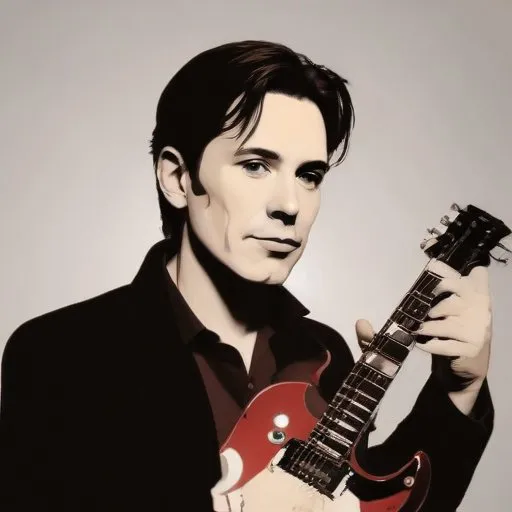
Bill Boyd: The Pioneer of Western Swing
Known for His Soulful Voice and Guitar Skills
Bill Boyd is renowned for his distinctive western-style singing and guitar playing, which captivated audiences in the 1930s and 1940s. As the leader of the iconic Cowboy Ramblers, Boyd helped shape the sound of western swing, a genre that blended country, jazz, and swing music.
Early Life and Career
Born on September 29, 1910, in Fannin County, Texas, Bill Boyd was one of thirteen children to Lemuel and Molly Jared Boyd. Growing up on a farm, Boyd developed a passion for music and learned to play the guitar at a young age. During the Great Depression, the Boyd family moved to Dallas, where Bill and his brother Jim worked odd jobs to make ends meet. The brothers' musical talents soon landed them on early-morning radio shows, performing with the Alexanders Daybreakers trio.
Recording with Jimmie Rodgers and Forming the Cowboy Ramblers
In February 1932, Boyd recorded with the legendary
Jimmie Rodgers, marking the beginning of his successful music career. Later that year, he formed the Cowboy Ramblers, a pioneering western swing band that would go on to make over 225 recordings between 1934 and 1951. The band's original lineup consisted of Boyd on guitar, Jim Boyd on bass, Walter Kirkes on tenor banjo, and Art Davis on fiddle.
Radio Shows and Recordings
The Cowboy Ramblers achieved immense popularity through their radio show, "The Bill Boyd Ranch House," and their recordings for Bluebird Records. Their debut recording on August 7, 1934, marked the beginning of a successful partnership that would see the band produce numerous hits, including "Under the Double Eagle," "Wah Hoo," "Beaumont Rag," and "New Steel Guitar Rag." These classics of the 1930s solidified the Cowboy Ramblers' status as one of the most influential western swing bands of the era.
Film Appearances and Wartime Efforts
Boyd's success on the radio and records led to opportunities in Hollywood, where he appeared in six Western films during the 1940s. During World War II, Boyd joined the Western Minute Men, promoting the sale of war bonds to support the war effort.
Legacy and Impact on Western Swing
Bill Boyd's contributions to western swing have had a lasting impact on the genre. His music influenced generations of country and western musicians, and his legacy continues to be celebrated by fans of American roots music. Boyd's innovative blend of country, jazz, and swing styles helped shape the sound of western swing, paving the way for future artists like
Bob Wills and the Texas Playboys.
Discography and Notable Recordings
- "Under the Double Eagle" (1935)
- "Wah Hoo" (1935)
- "Beaumont Rag" (1936)
- "Fan It" (1936)
- "New Steel Guitar Rag" (1937)
- "I've Got Those Oklahoma Blues" (1938)
- "If You'll Come Back" (1941)
Awards and Recognition
Bill Boyd's contributions to western swing have been recognized by the Texas Western Swing Hall of Fame, which inducted him in 1983.
Personal Life and Later Years
Boyd continued to perform and record music throughout his life, eventually passing away on December 7, 1977. His brother, Jim Boyd, also remained active in the music industry, leading the Rhythm Aces and working with other notable musicians.
Conclusion
Bill Boyd's pioneering spirit and innovative approach to western swing have left an indelible mark on American roots music. As the leader of the Cowboy Ramblers, Boyd helped shape the sound of western swing, influencing generations of musicians to come. His legacy continues to be celebrated by fans of country, jazz, and swing music.
FAQ
What style of music did Bill Boyd play?
Bill Boyd was a country music singer and guitarist, known for his distinctive baritone voice and signature style that blended elements of traditional country and western swing.
How did Bill Boyd get his start in music?
Bill Boyd began his music career in the 1930s, performing on local radio stations and at rodeos and dances in his native Texas.
What was Bill Boyds relationship like with his band, The Cowboy Ramblers?
Bill Boyd founded The Cowboy Ramblers in the 1940s, and the group became a staple of the country music scene, performing together for over 20 years.
How did Bill Boyds music influence later country artists?
Bill Boyds music influenced a generation of country artists, including Willie Nelson and Waylon Jennings, who have cited him as an inspiration.
What is Bill Boyds legacy in country music?
Bill Boyds legacy in country music is that of a pioneer and innovator, known for his unique style and contributions to the development of the genre.