


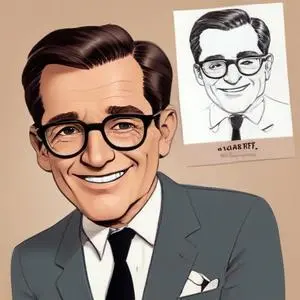
Pioneering animator, director, and producer behind beloved Looney Tunes characters like Porky Pig and Tweety Bird, creating zany, humorous cartoons that entertained generations.
Bob Clampett, a renowned American animator, director, producer, and puppeteer, is best known for his iconic work on the Looney Tunes animated series and the television shows Time for Beany and Beany and Cecil. His surrealistic, energetic, and outrageous animation style, along with his irreverent and wordplay-laden humor, have made him a legend in the world of animation.
Born on May 8, 1913, in San Diego, California, Clampett showed a keen interest in art and animation from a very young age. He dropped out of high school in 1931 and joined Harman-Ising Productions, where he began working on Looney Tunes and Merrie Melodies short subjects.
In 1937, Clampett was promoted to a directorial position, marking the beginning of a 15-year tenure at Warner Bros. Cartoons. During this period, he directed 84 cartoons, many of which are now considered classics. He also designed some of the studio's most famous characters, including Porky Pig, Daffy Duck, and Tweety.
Some of his most acclaimed films include Porky in Wackyland (1938) and The Great Piggy Bank Robbery (1946). These cartoons showcased Clampett's unique ability to blend humor, wit, and visual innovation, setting a new standard for animation.
In 1946, Clampett left Warner Bros. Cartoons and turned his attention to television. He created the puppet show Time for Beany in 1949, which later evolved into the animated series Beany and Cecil in 1962. This series, initially broadcast on ABC, is considered the first fully creator-driven television series and carried the byline "A Bob Clampett Cartoon."
In his later years, Clampett toured college campuses and animation festivals as a lecturer on the history of animation. His Warner cartoons have seen renewed praise in recent decades for their surrealistic qualities, energetic and outrageous animation, and irreverent humor.
Animation historian Jerry Beck lauded Clampett for "putting the word 'looney' in Looney Tunes." Clampett's contributions to the world of animation continue to inspire new generations of animators, directors, and fans alike.
Bob Clampett's legacy extends far beyond his impressive body of work. He has inspired countless animators, directors, and writers, shaping the course of animation history. His influence can be seen in many modern animated series and films, and his name remains synonymous with the Looney Tunes brand.
In the world of animation, Bob Clampett is a true legend, and his work continues to delight audiences of all ages.
Born in 1912
Creator of beloved Looney Tunes characters like Bugs Bunny and Daffy Duck, known for his innovative animation techniques and hilarious storytelling.
Born in 1906
Pioneering animator, director, and producer behind beloved Looney Tunes characters like Bugs Bunny, Porky Pig, and Tweety Bird, creating timeless cartoons that continue to entertain generations.
Born in 1908
Creator of iconic cartoon characters like Bugs Bunny, Daffy Duck, and Droopy, known for zany humor and over-the-top animation style.
