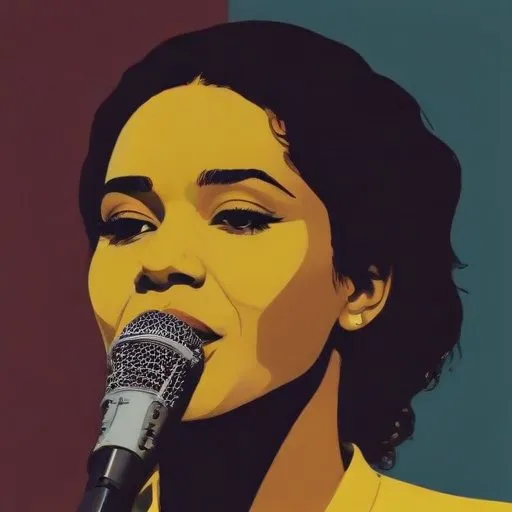
Braguinha

Braguinha

Braguinha was born on March 29th, 1907

Full Name: José Vicente Braguinha
Place of Birth: Rio de Janeiro, Brazil
Zodiac Sign: Gemini
Profession: Brazilian Singer-Songwriter, Producer
Notable Work: Brazilian Popular Music
Genre: MPB, Samba
Awards: Latin Grammy
Died: 2006

A pioneer of Brazilian popular music, known for blending samba and bossa nova styles with witty lyrics, creating a unique sound that captivated audiences.

Written by: Cassandra Blake Cassandra Blake

Braguinha: The Maestro of Carnaval Marchinhas

Braguinha, also known as João de Barro or "Little Braga," was a Brazilian songwriter and occasional singer, renowned for his iconic Carnaval marchinhas, which have become an integral part of Brazilian popular music.

Early Life and Career

Born Carlos Alberto Ferreira Braga on March 29, 1907, in Rio de Janeiro, Brazil, Braguinha studied architecture in his youth. However, his true passion lay in music, and he adopted the pseudonym João de Barro, the name of a bird that builds elaborate mud nests, to avoid associating his family name with the then-marginalized world of samba and popular music.

Marchinhas and Carnaval Classics

Braguinha's marchinhas, characterized by their lighthearted and catchy rhythms, have been sung by revellers year after year during Carnaval celebrations. Many of his compositions, dating back to the 1930s, have become standards of Brazilian popular music. Notable among these are "Carinhoso," written in collaboration with Pixinguinha, and "Pastorinhas," a lyrical masterpiece co-authored with Noel Rosa.

Collaborations and Influences

Braguinha's work has been recorded by some of the most celebrated Carnaval singers of the 20th century, including Carmen Miranda. His sophisticated sambachoro style, which blended Afro-Brazilian rhythms with European instrumentation, has had a profound influence on generations of Brazilian musicians.

Selected Discography

Legacy and Impact

Braguinha's contributions to Brazilian popular music are immeasurable. His marchinhas have become an integral part of Carnaval celebrations, and his collaborations with legendary composers like Pixinguinha and Noel Rosa have left an indelible mark on the country's musical heritage. Braguinha's legacy continues to inspire new generations of Brazilian musicians, ensuring his place as one of the most beloved and respected figures in Brazilian music.

Braguinha passed away on December 24, 2006, at the age of 99, leaving behind a rich cultural heritage that continues to delight and inspire audiences around the world.

Timeline
1907
Born in Rio de Janeiro
Braguinha was born on March 3, 1907, in Rio de Janeiro, Brazil.
1929
Starts music career
Braguinha began his music career, becoming a popular singer-songwriter in Brazil.
1940
Composes Você Já Foi à Bahia
Braguinha composed the hit song Você Já Foi à Bahia, which became a classic of Brazilian music.
1950
Wins Sharp Prize
Braguinha won the prestigious Sharp Prize for his contributions to Brazilian music.
2001
Passes away
Braguinha passed away on December 24, 2001, at the age of 94.
Braguinha

Braguinha Quiz

Braguinha's music style is characterized by blending which two genres?

Score: 0/5
FAQ
What was Braguinhas most famous song?
Braguinhas most famous song is Caminhando, which has become a classic of Brazilian popular music and has been covered by many artists.
What was Braguinhas style of music?
Braguinhas style of music was characterized by his blend of traditional Brazilian rhythms, such as samba and forró, with modern influences and instrumentation.
How did Braguinhas experiences as a street musician influence his music?
Braguinhas experiences as a street musician had a significant impact on his music, particularly in terms of his ability to connect with ordinary people and tell their stories through his songs.
What was Braguinhas role in the development of MPB?
Braguinha played a key role in the development of MPB (Brazilian popular music), helping to shape the genre and pave the way for subsequent generations of Brazilian musicians.
How did Braguinhas music reflect his social and political views?
Braguinhas music often reflected his social and political views, particularly his commitment to social justice and his support for the working class and marginalized communities.

Related People:

Ary Barroso

Born in 1903

Brazil's most celebrated composer of popular music, creating iconic samba songs that evoke the country's spirit and culture, including the famous "Aquarela do Brasil".