


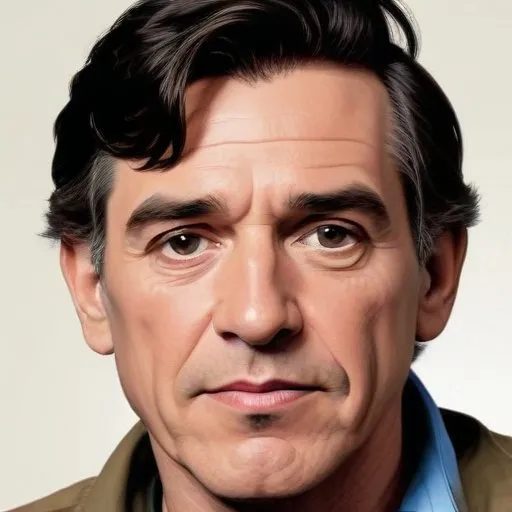
A pioneering multimedia artist, known for blending painting, photography, and film to create innovative, avant-garde works that explored the intersection of art and technology.
Bruce Conner was an American artist known for his innovative and provocative works that challenged the norms of modern art. With a diverse range of mediums, including assemblage, film, drawing, sculpture, painting, collage, and photography, Conner left an indelible mark on the art world.
Born on November 18, 1933, in McPherson, Kansas, Conner grew up in a middle-class family that moved to Wichita when he was just four years old. He developed an early interest in art, which was nurtured through his studies at Wichita University (now Wichita State University) and later at the University of Nebraska, where he graduated with a Bachelor of Fine Arts degree in 1956.
In 1955, Conner studied for six months at the Brooklyn Museum Art School on a scholarship, which further honed his skills. His first solo gallery show in New York City took place in 1956, featuring his paintings. However, it was his move to San Francisco in 1957 that marked the beginning of his rise to prominence. His first solo shows in San Francisco, in 1958 and 1959, showcased his innovative use of various mediums, including assemblage, which would become a hallmark of his style.
Conner's assemblages, made from found objects such as women's stockings, bicycle wheels, broken dolls, fur, fringe, costume jewelry, and candles, often combined with collaged or painted surfaces, were both erotically charged and hauntingly surreal. These works, which blended the boundaries between art and reality, attracted widespread attention and critical acclaim.
In 1959, Conner's painting, Venus, was removed from a gallery window in San Francisco after a local policeman deemed it obscene. The incident sparked a debate on censorship and artistic freedom, with the American Civil Liberties Union (ACLU) ultimately defending the gallery's right to display the work.
Bruce Conner's innovative and provocative works have inspired generations of artists, from punk rock musicians to filmmakers and visual artists. His assemblages, in particular, have influenced the development of modern art, pushing the boundaries of what is considered "art" and challenging the status quo.
Bruce Conner's life and work serve as a testament to the power of creativity and innovation. Through his pioneering use of assemblage and his willingness to challenge the norms of modern art, Conner has left an enduring legacy that continues to inspire and provoke audiences to this day.
90 Years Old
Iconic actor and director known for his rebellious, counterculture persona and memorable roles in films like "Easy Rider" and "Apocalypse Now".
Born in 1924
A novelist, essayist, and screenwriter who crafted counterculture classics like "Easy Rider" and "Dr. Strangelove", blending satire and social commentary. 42
Born in 1926
A leading figure of the Beat Generation, known for his poetry that explores themes of nonconformity, free expression, and social justice. His iconic poem "Howl" is a classic of American literature.
Born in 1914
A pioneering figure of the Beat Generation, known for experimental and provocative works that blended fiction and reality, pushing boundaries of literature and art.
98 Years Old
A pioneer of pop art, creating iconic silkscreen prints of consumer products and celebrities, and experimenting with avant-garde films.
95 Years Old
A pioneer of French New Wave cinema, known for experimental and provocative films that challenged traditional narrative structures and explored themes of politics, philosophy, and social commentary.
93 Years Old
Experimental filmmaker who pushed boundaries of cinematic storytelling through abstract, poetic, and visually striking works, exploring the human experience.
84 Years Old
A visionary musician and producer who co-founded The Velvet Underground, pushing boundaries in rock music and influencing generations of artists. Known for experimental and avant-garde work .
