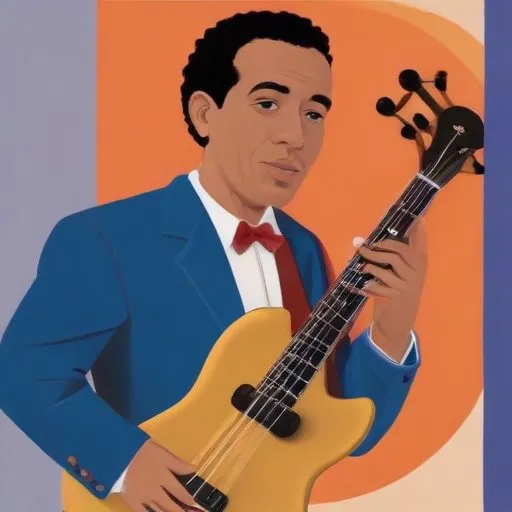
The Maestro of Mambo: Cachao López's Enduring Legacy
A Pioneer of Afro-Cuban Music
Cachao López, the legendary Cuban bassist, composer, and arranger, is widely regarded as the co-creator of the mambo style, a genre that revolutionized the music scene in the 1940s and 1950s. López's innovative and influential work had a profound impact on popular music, leaving an indelible mark on the development of salsa, jazz, and Latin American music as a whole.
Early Life and Career
Born into a family of musicians in Havana, Cuba, on September 14, 1918, López was destined for greatness. He began playing the bass at the tender age of 10 and went on to study at the Havana Conservatory. In the 1930s, he joined the Orquesta Filarmónica de Cuba, where he met and collaborated with fellow musician and friend, Chano Pozo.
The Birth of Mambo
López's contribution to the creation of mambo is a testament to his innovative spirit and musical genius. In the early 1940s, he began experimenting with traditional Afro-Cuban rhythms, incorporating complex harmonies and melodies, and fusioning them with American jazz and swing. This unique blend gave birth to the mambo style, which quickly gained popularity in Cuba and eventually spread to the United States.
Career Highlights and Major Works
López's extensive discography boasts numerous iconic recordings, including "Mambo" (1943), "El Cuarto de Tula" (1944), and "Convergencia" (1953). He collaborated with renowned musicians such as
Tito Puente, Chano Pozo, and
Dizzy Gillespie, further solidifying his reputation as a master of Afro-Cuban jazz.
Influence on Modern Society
Cachao López's influence extends far beyond the realm of music. His contribution to the development of mambo paved the way for subsequent genres, such as salsa and Latin jazz, which have had a profound impact on popular culture. López's music has been featured in numerous films, including "The Godfather" and "Dirty Dancing," introducing his work to new generations of music enthusiasts.
Awards and Honors
López's impressive list of accolades includes multiple Grammy nominations, a National Medal of Arts award (1993), and a posthumous induction into the Latin Music Hall of Fame (2009).
Philosophical Contributions and Beliefs
López's approach to music was deeply rooted in his cultural heritage and a profound respect for traditional Afro-Cuban rhythms. He believed that music had the power to bridge cultural divides, stating, "Music is the only thing that can bring people together, no matter what their differences are."
Personal Milestones and Key Life Events
In 1963, López left Cuba and settled in the United States, where he continued to compose and perform, releasing several albums in the 1970s and 1980s. He passed away on March 22, 2008, leaving behind a rich legacy that continues to inspire musicians and music enthusiasts around the world.
Legacy and Historical Context
Cachao López's impact on the music world is immeasurable. His innovative approach to Afro-Cuban rhythms paved the way for future generations of musicians, ensuring his legacy as one of the most influential figures in Latin American music history.
Comparative Analysis with Contemporaries
López's work is often compared to that of fellow Cuban musician, Chano Pozo. While both musicians played a crucial role in shaping Afro-Cuban jazz, López's contribution to the development of mambo sets him apart as a true pioneer in the genre.
Visual Timeline and Milestones
- 1918: Born in Havana, Cuba, on September 14th
- 1930s: Studies at the Havana Conservatory
- 1940s: Creates the mambo style with Chano Pozo
- 1950s: Collaborates with American jazz musicians, including Dizzy Gillespie
- 1963: Leaves Cuba and settles in the United States
- 1993: Receives a National Medal of Arts award
- 2008: Passes away on March 22nd
Inspirational Stories and Motivations
Cachao López's remarkable story serves as a testament to the power of innovation, perseverance, and cultural pride. His music continues to inspire new generations of musicians, ensuring his legacy as a true maestro of Afro-Cuban jazz.