


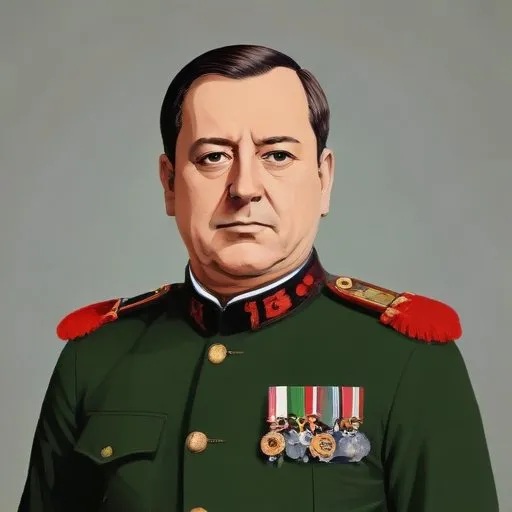
Unifier of Italy, instrumental in creating a single, independent Italian state, and a pioneer of modern democracy. 82
Camillo Benso, Count of Cavour, is remembered as the mastermind behind the unification of Italy, a feat he accomplished through his exceptional diplomatic skills, vision, and perseverance. As the first Prime Minister of Italy, he played a pivotal role in shaping the country's destiny, leaving an indelible mark on its history.
Born on August 10, 1810, in Turin, Piedmont (now Italy), Cavour was a member of the noble Benso family. He was educated in the military academy of Turin and later studied law, which laid the foundation for his future career in politics.
In his early years, Cavour was drawn to economics and business, and he spent several years working in the family's agricultural business. This experience instilled in him a deep understanding of the importance of economic development and its impact on society.
Cavour's entry into politics was marked by his election to the Chamber of Deputies in 1848. He quickly rose through the ranks, thanks to his exceptional oratory skills, strategic thinking, and ability to build alliances. As Prime Minister of the Kingdom of Sardinia, he implemented a range of reforms aimed at modernizing the country's economy, infrastructure, and institutions.
His most significant achievement was the creation of the Kingdom of Italy in 1861, which unified the fragmented Italian states under a single government. This accomplishment was a testament to his unwavering commitment to the cause of Italian unification.
Cavour's diplomatic prowess was instrumental in securing Piedmont's participation in the Crimean War, which led to the country's recognition as a major European power. He also played a crucial role in negotiating the Treaty of Turin, which paved the way for the formation of the Kingdom of Italy.
His ability to balance the interests of various European powers, while pursuing Italy's interests, earned him the respect and admiration of international leaders.
Although Cavour's life was cut short when he died on June 6, 1861, his legacy continues to inspire generations of Italians and international leaders. He is remembered as a champion of democracy, a visionary statesman, and a master diplomat.
Today, his name is synonymous with Italian unification, and his ideals continue to shape Italy's political landscape.
"I am not a utopian, but I am convinced that the unity of Italy is a question of life and death for our country."
These words, spoken by Cavour, encapsulate his unwavering commitment to the cause of Italian unification, a testament to his vision and perseverance.
Born in 1807
Led a military campaign to unify Italy, becoming a national hero and symbol of Italian independence. He's also known for his charisma and unconventional style.
Born in 1811
The son of Napoleon Bonaparte, he was the titular Emperor of the French from 1811 to 1832, although he never actually ruled. He's known for his brief, tumultuous life and mysterious death.
Born in 1842
The 13th Prime Minister of Italy, a master of political maneuvering, dominated Italian politics in the early 20th century with his flexible and pragmatic approach. He's most known for his ability to maintain power and stability during a time of great social and economic change.
Born in 1874
An Italian economist and politician who served as the 2nd President of the Italian Republic, known for his economic reforms and role in shaping post-WWII Italy. He's a key figure in Italian history and politics.
