


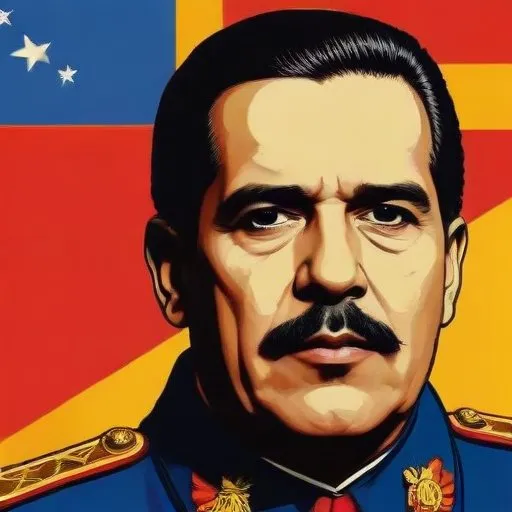
Led Venezuela through a period of relative stability and economic growth, implementing reforms and modernizing the country's infrastructure. He's remembered for his efforts to strengthen the national army and promote education.
Carlos Soublette, born on December 15, 1789, is remembered as a national hero in Venezuela, serving as the country's president twice, from 1837 to 1839 and again from 1843 to 1847. He played a pivotal role in the Venezuelan War of Independence, fighting against Spanish colonial rule, and his leadership shaped the country's early years.
Soublette was born into a noble family in Falcón, Venezuela. He joined the military at a young age and quickly rose through the ranks, becoming a colonel by the time he was 25. During the Venezuelan War of Independence, he fought alongside Simón Bolívar, playing a key role in several battles, including the Battle of Carabobo in 1821.
Soublette's military successes led to his appointment as President of Venezuela in 1837. During his first term, he focused on rebuilding the country, promoting education, and establishing a new constitution. He stepped down in 1839 but was re-elected in 1843, serving until 1847. After his second term, he retired from politics and dedicated himself to his estate in Falcón.
Soublette was married to Olalla Buroz y Tovar, who served as First Lady of Venezuela during both of his presidential terms. Together, they had no children, but their marriage was marked by mutual respect and support.
Soublette's leadership and military prowess played a significant role in shaping Venezuela's early years as an independent nation. He is remembered as a hero of the Venezuelan War of Independence, and his commitment to education and constitutional reform helped lay the foundations for the country's development.
Soublette's legacy extends beyond his military and political accomplishments. He is a symbol of Venezuelan patriotism and national pride, inspiring generations of Venezuelans to work towards a better future for their country.
Soublette lived during a time of great upheaval in Venezuela, as the country transitioned from colonial rule to independence. His leadership and vision helped shape the country's early years, setting the stage for future generations of Venezuelans.
While Soublette's military successes were instrumental in achieving Venezuelan independence, his presidency was marked by a focus on reconstruction and development, setting him apart from other leaders of the time, such as Simón Bolívar, who focused more on military conquest.
Soublette's contributions to Venezuelan independence and development have been recognized through various honors and tributes, including the naming of streets, buildings, and institutions in his honor.
Soublette's life and legacy serve as a testament to the power of dedication, perseverance, and leadership. His contributions to Venezuelan independence and development continue to inspire generations of Venezuelans, cementing his place as a national hero.
Born in 1783
Led the Latin American wars of independence against Spanish rule, unifying several countries under the Gran Colombia republic. He's revered as a national hero and symbol of freedom.
Born in 1790
A Venezuelan leader who played a key role in the country's struggle for independence from Spain and later served as President, known for his military prowess and statesmanship.
Born in 1857
A Venezuelan strongman who ruled with an iron fist, modernizing the country while suppressing dissent, and amassing a vast fortune through oil concessions. He's remembered for his authoritarian regime and economic development.
