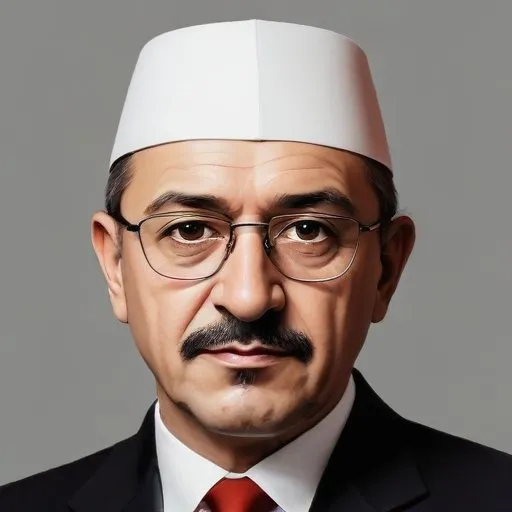
Cengiz Bekta: The Visionary Architect, Engineer, and Poet
A Life of Creative Expression
Cengiz Bekta, a Turkish architect, engineer, poet, and writer, left an indelible mark on the world of art, literature, and design. Born on November 26, 1934, in Denizli, Turkey, Bekta's eclectic career spanned over six decades, earning him widespread recognition and accolades.
Education and Early Career
Bekta's academic journey began at the Istanbul State Academy of Fine Arts, where he honed his skills in architecture. He later attended the Technical University of Munich, graduating in 1959. This European experience had a profound impact on his artistic vision, which would later manifest in his work.
Teaching and Freelance Years
Between 1959 and 1962, Bekta worked as a freelance architect in Munich, where he refined his craft and developed a distinct style. In 1962, he was invited to teach at the Middle East Technical University in Ankara, Turkey, a position he accepted and held for several years.
Notable Projects
Bekta's architectural repertoire includes:
- Etimesgut Mosque, Ankara (1964)
- Babadallar Bazaar, Denizli (1973)
- Turkish Language Association, Ankara (1974)
- Kantogan House, Data (1977)
- Mertim skyscraper, Mersin (1987)
- Library in the Haki, Istanbul (1988)
- Dr. Atalay Tundemir House, Bartn (1988)
- Bakrky International Industrial Bank, Istanbul (1988)
- Ayfer Yac Bazaar, Balkesir (1989)
- Library Esin Aksoy House, Istanbul (1989)
- Bykada Turkish-Swedish Cultural House, Istanbul (1989)
- FeFarma Medical Supplies Factory, Elaz (1990)
- Akdeniz University Olbia Social Center, Antalya (1999)
- Aphrodisias Oct Museum, Aydn (2007)
Awards and Recognition
Bekta's outstanding work has been recognized with numerous awards, including:
- T.C. Bonn Embassy, 1st Prize (1963)
- T.C. Lisbon Embassy, 3rd Prize (1963)
- T.C. Bonn Embassy Building Competition, 1st Prize (1963)
- General Directorate of Turkey Halkbank, Mention 5 (1965)
- SSK zmir Konak Facility Competition, 3rd Prize (1966)
- Cultural Park in Antakya Architectural Design Competition, 1st Mention (1967)
- Bakrky Elderly Site, 1st Prize (1968)
Legacy
Cengiz Bekta's fascinating life's work serves as a testament to his boundless creativity, innovative spirit, and dedication to his craft. As an architect, engineer, poet, and writer, he has left an indelible mark on the cultural and artistic landscape of Turkey and beyond. His remarkable legacy continues to inspire future generations of artists, designers, and thinkers.
FAQ
What is Cengiz Bektaşs most famous architectural project?
Cengiz Bektaşs most famous architectural project is the Atatürk Cultural Center in Istanbul, which he designed in the 1970s. The building is a iconic example of modern Turkish architecture.
What was Cengiz Bektaşs approach to architecture?
Cengiz Bektaş was known for his modernist approach to architecture, which emphasized simplicity, functionality, and innovation. He was influenced by the International Style and sought to create buildings that were both aesthetically pleasing and practical.
How did Cengiz Bektaşs work reflect Turkish culture?
Cengiz Bektaşs work often reflected Turkish culture, incorporating traditional motifs and materials into his designs. He was particularly interested in exploring the intersection of modernity and tradition in Turkish architecture.
What awards did Cengiz Bektaş win?
Cengiz Bektaş won several awards for his architectural work, including the Turkish Architecture Prize and the Aga Khan Award for Architecture.
How did Cengiz Bektaşs legacy influence Turkish architecture?
Cengiz Bektaşs legacy has had a significant influence on Turkish architecture, inspiring a new generation of architects to explore modernist and innovative design approaches. His work continues to be celebrated and studied around the world.