


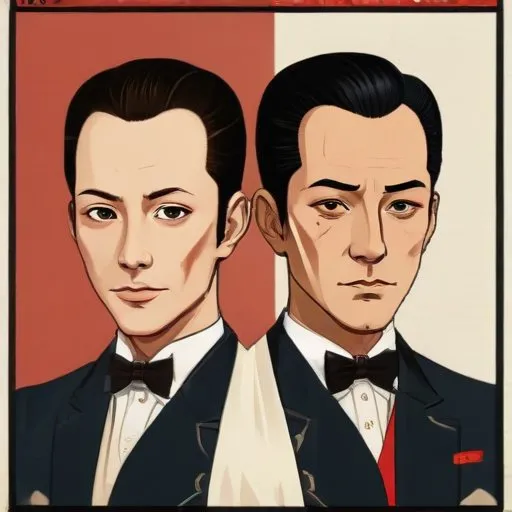
Conjoined twins who traveled the world performing as a curiosity, eventually settling down to lead ordinary lives, marrying, and having children. They are most known for their unusual condition and the public's fascination with it.
The twins were brought to the United States in 1829, where they were exhibited as curiosities, attracting widespread attention from physicians, newspapers, and the general public. Initially, they were displayed in freak shows, with their athleticism and exotic features captivating audiences. However, they soon transitioned to a more dignified setting, engaging in conversations in English, showcasing their linguistic skills.
Their success enabled them to purchase slaves, settle in Mount Airy, North Carolina, and eventually become American citizens. During this period, they amassed a significant fortune, which they used to invest in various business ventures.
However, their fortunes took a downturn during the American Civil War, as they lost a significant portion of their wealth and slaves. This setback had a profound impact on their lives, forcing them to reassess their priorities and adjust to their new circumstances.
Their legacy extends beyond their personal experiences, as they have contributed to our understanding of conjoined twins and their unique challenges. Their lives have been immortalized in literature, art, and popular culture, cementing their place in the annals of history.
Their lives have also sparked debates about the ethics of exhibiting human anomalies, highlighting the tension between scientific curiosity and human dignity. Chang and Eng's story serves as a reminder of the importance of empathy, compassion, and respect for all individuals, regardless of their physical or mental differences.
Their legacy serves as a testament to the power of human resilience, adaptation, and the pursuit of happiness, even in the face of extraordinary challenges. As we continue to grapple with the complexities of human identity, Chang and Eng's remarkable story remains an enduring reminder of the importance of empathy, compassion, and understanding.
Born in 1810
Co-founder of the iconic Ringling Bros. and Barnum & Bailey Circus, a master showman who brought wonder and excitement to audiences worldwide with his innovative entertainment ventures.
Born in 1838
A famous little person who performed in P.T. Barnum's circus, known for his tiny size and charismatic stage presence. He was a beloved celebrity in the 19th century, earning huge sums and meeting with presidents.
Born in 1862
A severely deformed individual who lived in 19th-century England, known for his extraordinary physical appearance and tragic life story. He was a celebrity in his time, with many people visiting him out of curiosity and sympathy.
