


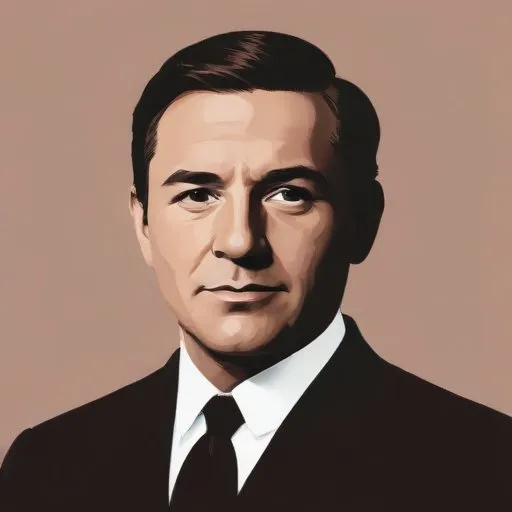
The 49th Governor of Massachusetts, a lawyer and politician who served from 1921 to 1925, is most known for his progressive reforms and advocacy for labor rights. He played a significant role in shaping the state's political landscape during the early 20th century.
Channing Harris Cox was an American politician, lawyer, and businessman who left an indelible mark on the state of Massachusetts as its 49th governor from 1921 to 1925. He is renowned for his progressive labor legislation and administrative reforms that catered to the changing economy of Massachusetts during the roaring twenties.
Born on October 28, 1879, in Manchester, New Hampshire, Cox was one of four brothers. He attended the Manchester public schools and later graduated from Dartmouth College in 1901. He then pursued law at Harvard Law School, earning his degree in 1904. Cox's alma mater, Dartmouth College, would later honor him by naming a residence hall after him, a testament to his lifelong association with the institution.
Cox began his political career in 1908, winning a seat on the Boston Common Council. The following year, he was elected to the state legislature, where he served nine annual terms, including four as Speaker of the Massachusetts House of Representatives. During this period, he forged a strong political alliance with Calvin Coolidge, who was the Senate President and Lieutenant Governor. In 1918, Coolidge tapped Cox as his running mate for governor, and Cox served two one-year terms as lieutenant governor.
When Coolidge opted to run for Vice President of the United States in 1920, Cox successfully ran for governor, winning election in 1920. As governor, Cox led the charge in advancing progressive labor legislation and adjusting administrative law to address the shifting economic landscape of Massachusetts. He was also a pioneer in utilizing radio, broadcasting live from the Eastern States Exposition on September 19, 1921, at the debut of station WBZ in Springfield.
Cox's progressive reforms and innovative approach to governance left a lasting legacy in Massachusetts. His commitment to labor legislation and administrative reforms continued to influence the state's policies long after his term ended. His use of radio also paved the way for future governors to harness the power of media in reaching a wider audience.
Cox's life was marked by a series of milestones that underscore his commitment to public service and progressive ideals. His rise to prominence was swift, and his legacy continues to inspire generations of politicians and civic leaders.
| 1879 | Channing Harris Cox born on October 28 |
| 1901 | Graduated from Dartmouth College |
| 1904 | Earned a law degree from Harvard Law School |
| 1908 | Won election to the Boston Common Council |
| 1909 | Won election to the state legislature |
| 1915-1918 | Served as Speaker of the Massachusetts House of Representatives |
| 1919-1920 | Served as Lieutenant Governor of Massachusetts |
| 1921 | Became the 49th Governor of Massachusetts |
| 1921 | Broadcast live on radio from the Eastern States Exposition |
| 1968 | Channing Harris Cox passed away on August 20 |
Cox's life was a testament to his dedication to public service and progressive ideals. His legacy continues to inspire generations of politicians and civic leaders.
Born in 1872
The 30th President of the United States, a lawyer and politician, led the country through a period of economic prosperity and limited government intervention, earning the nickname "Silent Cal" for his frugal and humble nature. He's most known for his minimalist approach to governance and tax cuts.
Born in 1873
A prominent lawyer and politician who served as the 14th United States Solicitor General, arguing over 140 cases before the Supreme Court, including a notable defense of segregation. He was also the Democratic nominee for President in 1924.
Born in 1882
Led the United States through the Great Depression and World War II, implementing a series of reforms known as the New Deal and helping to establish the country as a global superpower.
Born in 1881
Served as the 52nd Governor of Massachusetts, playing a significant role in shaping the state's politics and policies. Known for his contributions to the state's development and growth.
Born in 1874
A charismatic politician who dominated Massachusetts politics for decades, known for his folksy charm and controversial antics, including multiple stints in jail.
Born in 1863
Mayor of Boston from 1906 to 1908 and again from 1910 to 1914, known for his charismatic leadership and role as maternal grandfather of John F. Kennedy.
Born in 1850
A prominent historian and politician who served as a U.S. Senator and was a key figure in the development of the U.S. foreign policy, particularly in the early 20th century.
Born in 1858
A pioneering leader who championed progressive reforms, trust-busting, and conservation, earning a Nobel Peace Prize for mediating the Russo-Japanese War. He's also famous for his rugged outdoorsmanship and "big stick" diplomacy.
