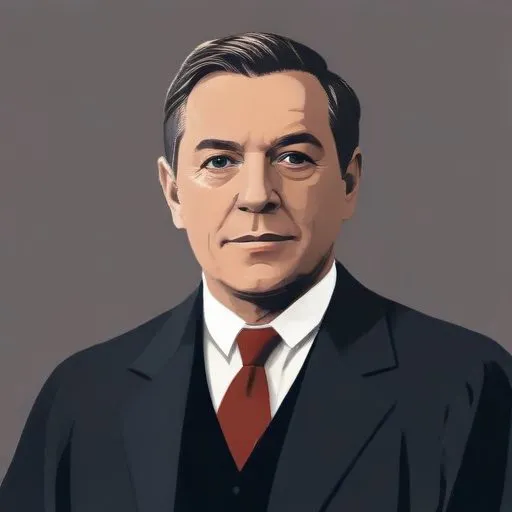
Joseph B. Ely: The Conservative Democrat Who Shaped Massachusetts Politics
A Leader in Massachusetts Politics
Joseph B. Ely is best known for his prominent role in shaping Massachusetts politics as a conservative Democrat. He served as the 52nd Governor of Massachusetts from 1931 to 1935 and was a vocal opponent of the federal expansion of the New Deal.
Early Life and Education
Born on February 22, 1881, in Westfield, Massachusetts, Ely was the son of
Henry Wilson Ely and Sarah Naomi Buell Ely. His grandfather, Joseph Miner Ely, was a founder of Westfield's whip industry, and his father was an active Democrat in Republican-dominated western Massachusetts. Ely attended local schools and later graduated from Williams College in 1902, where he helped organize student support for
William Jennings Bryan in the 1900 presidential election. He then received a law degree from Harvard Law School in 1905.
Political Career
Ely's political career began when he was appointed as the District Attorney for the Western District of Massachusetts in 1915 by Governor
David I. Walsh. He was elected to the position in his own right the following year, serving until 1920. In 1922, he was a candidate for Governor of Massachusetts but placed third in the primary. In 1924, he was a delegate to the national Democratic convention, where he supported Al Smith.
Gubernatorial Tenure
Ely's gubernatorial tenure from 1931 to 1935 was marked by his opposition to the federal expansion of the New Deal. He believed that the state should retain control over its own affairs and was critical of President
Franklin D. Roosevelt's policies. Despite his conservative stance, Ely implemented several progressive reforms, including the establishment of a state lottery and the creation of a state department of commerce.
Presidential Bid and Later Life
In 1944, Ely made an unsuccessful bid for the Democratic presidential nomination. After his defeat, he returned to his law practice in Westfield, where he remained active in local politics until his death on June 13, 1956.
Legacy
Ely's legacy is that of a conservative Democrat who shaped Massachusetts politics during a critical period in American history. His opposition to the New Deal and his commitment to state rights made him a prominent figure in the Democratic Party. Despite his conservative stance, he implemented progressive reforms that benefited the people of Massachusetts.
Personal Life
Ely married Harriet Zelda Dyson in 1906, and they had one son together. He was known for his strong family values and was a devoted husband and father.
Controversies and Public Perception
Ely's opposition to the New Deal was controversial, and he was often at odds with President Roosevelt. His conservative stance made him unpopular with some Democrats, but he remained a respected figure in Massachusetts politics.
Historical Context and Legacy
Ely's gubernatorial tenure coincided with a critical period in American history, marked by the Great Depression and the implementation of the New Deal. His legacy is that of a conservative Democrat who shaped Massachusetts politics during this period.
- Notable Achievements:
- Served as the 52nd Governor of Massachusetts from 1931 to 1935
- Implemented progressive reforms, including the establishment of a state lottery and the creation of a state department of commerce
- Made an unsuccessful bid for the Democratic presidential nomination in 1944
FAQ
What were Joseph B. Elys accomplishments as the 52nd Governor of Massachusetts?
Joseph B. Elys accomplishments as the 52nd Governor of Massachusetts included implementing reforms to the states education system, improving the states roads and infrastructure, and promoting economic development. He also played a key role in establishing the Massachusetts State Guard.
What was Joseph B. Elys role in the Democratic Party?
Joseph B. Ely was a prominent figure in the Democratic Party in Massachusetts and served as the partys chairman from 1918 to 1920. He was also a delegate to the Democratic National Convention in 1920.
How did Joseph B. Elys legal career influence his political career?
Joseph B. Elys legal career as a lawyer and district attorney influenced his political career by providing him with a strong understanding of the law and the justice system. This expertise helped him to make informed decisions as governor and to develop effective policies.
What was Joseph B. Elys stance on womens suffrage?
Joseph B. Ely was a strong supporter of womens suffrage and advocated for the passage of the 19th Amendment. He believed that women should have the right to vote and participate fully in the democratic process.
How did Joseph B. Elys governorship impact Massachusettss economy?
Joseph B. Elys governorship had a positive impact on Massachusettss economy by promoting economic development, improving the states infrastructure, and creating jobs. His policies helped to stimulate growth and prosperity in the state.