


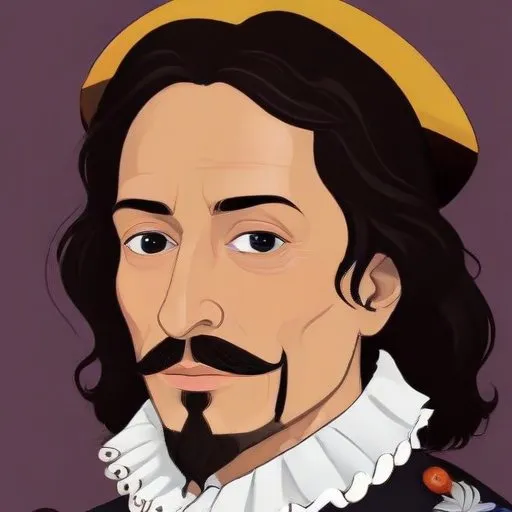
Charles I of Wrttemberg, also known as Charles German Karl Friedrich Alexander, reigned as the King of Wrttemberg from 1864 to 1891. During his tenure, he played a pivotal role in shaping the fate of his kingdom, forging alliances, and weathering the storms of war, all while navigating the complexities of his personal life.
Born on March 6, 1823, in Stuttgart, Charles was the only son of King William I and his third wife, Pauline Therese. As the king's eldest son, he became the Crown Prince of Wrttemberg, destined to inherit the throne.
Grand Duchess Olga Nikolaevna of Russia, niece of Czar Nicholas I.
Upon ascending to the throne in 1864, Charles I aligned with Austria during the Austro-Prussian War but later sided with Prussia in the Franco-Prussian War, joining the new German Empire in 1870. This strategic move solidified Wrttemberg's position within the German Empire.
Despite his marriage to Olga, Charles' personal life was marred by controversy. Rumors of his homosexuality and close relationships with men, including American Charles Woodcock, sparked scandal. The couple adopted Olga's niece, Vera Konstantinovna, in 1870.
Charles I's reign saw significant modernization and industrialization in Wrttemberg. He implemented reforms in education, infrastructure, and the economy, earning him a reputation as a progressive monarch. His diplomatic efforts helped maintain peace and stability in Germany during a tumultuous era.
Charles I died on October 6, 1891, without an heir, leaving the throne to his nephew, William II. His legacy, marked by both triumph and controversy, continues to fascinate historians and enthusiasts alike.
Charles I of Wrttemberg's complex and multifaceted life serves as a testament to the intricacies of royal politics and personal relationships. His diplomatic efforts, charitable contributions, and progressive reforms cemented his place in history as a notable monarch.
Born in 1845
The Russian monarch who ruled from 1881 to 1894, known for his conservative and nationalistic policies, as well as his efforts to reform the Russian Empire's government and economy.
Born in 1769
A French military leader who rose to prominence during the French Revolution and became Emperor of France, known for his military conquests and reorganization of Europe. He is also famous for his Napoleonic Code, which remains a foundation of modern law.
Born in 1836
Last king of the Two Sicilies, ruling from 1859 to 1861, known for his brief and tumultuous reign that ended with the unification of Italy.
