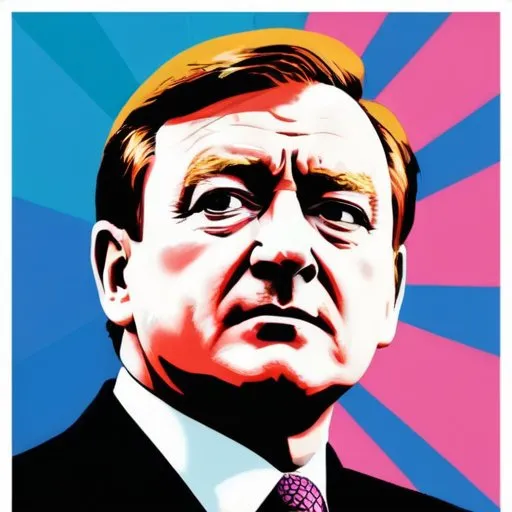
Charles Kennedy: The Charismatic Leader of the Liberal Democrats
A Politician of Principle and Passion
Charles Kennedy is best known for his leadership of the Liberal Democrats from 1999 to 2006, during which he led the party to its highest number of seats in the House of Commons since 1923. As a staunch opponent of the Iraq War, Kennedy positioned the party to the left of New Labour, earning him widespread respect and admiration.
Early Life and Education
Born on November 25, 1959, in Inverness, Scotland, Kennedy grew up in a remote crofters cottage in the Highlands. He was raised in a Roman Catholic family and educated at Lochaber High School in Fort William. Kennedy went on to study Politics and Philosophy at the University of Glasgow, where he earned a Master of Arts degree.
Rise to Prominence
Kennedy's political career began when he was elected to the House of Commons in 1983, representing the constituency of Ross, Skye, and Lochaber. After the Alliance parties merged, he became president of the Liberal Democrats and, following
Paddy Ashdown's resignation in 1999, leader of the party. Kennedy's charismatic leadership and affable personality made him a media favorite, and he appeared extensively on television during his leadership.
Leadership and Controversies
Kennedy led the Liberal Democrats in the 2001 and 2005 general elections, increasing the party's number of seats in the House of Commons. However, concerns about his leadership and health began to emerge in 2005. After admitting to receiving treatment for alcoholism, Kennedy resigned as leader in January 2006, citing a lack of support within the parliamentary party.
Personal Milestones and Key Life Events
- 1983: Elected to the House of Commons as the Member of Parliament for Ross, Skye, and Lochaber
- 1999: Became leader of the Liberal Democrats following Paddy Ashdown's resignation
- 2001 and 2005: Led the Liberal Democrats in the general elections, increasing the party's number of seats in the House of Commons
- 2006: Resigned as leader of the Liberal Democrats due to concerns about his leadership and health
- 2015: Lost his seat in the House of Commons and passed away on June 1, 2015
Legacy and Impact
Charles Kennedy's legacy is marked by his commitment to social justice and his opposition to the Iraq War. He will be remembered as a passionate and charismatic leader who played a significant role in shaping British politics. Kennedy's impact on the Liberal Democrats and his contribution to British politics will continue to be felt for generations to come.
Quotes and Memorable Sayings
- "I have always been driven by a desire to make a difference, to leave the world a better place than I found it."
- "Politics is not just about winning elections; it's about making a difference in people's lives."
Conclusion
Charles Kennedy's life and legacy serve as an inspiration to anyone interested in politics and social justice. His commitment to his principles and his passion for making a difference have left a lasting impact on British politics. As a leader, Kennedy will be remembered for his charisma, his conviction, and his unwavering dedication to his values.
FAQ
What is Charles Kennedys political career?
Charles Kennedy was a Scottish journalist, politician, and leader of the Liberal Democrats from 1999 to 2006, serving as a Member of Parliament from 1983 to 2015.
What is Charles Kennedys stance on Europe?
Charles Kennedy was a strong advocate for European integration and a vocal supporter of the UKs membership in the European Union.
What is Charles Kennedys view on social justice?
Charles Kennedy was committed to social justice, campaigning for issues like poverty reduction, human rights, and environmental protection throughout his political career.
Did Charles Kennedy have any notable media appearances?
Yes, Charles Kennedy was a frequent guest on TV and radio programs, including the BBCs Question Time and Have I Got News for You, showcasing his wit and political acumen.
What is Charles Kennedys legacy?
Charles Kennedys legacy is marked by his dedication to liberal values, his commitment to social justice, and his passionate advocacy for a more inclusive and compassionate society.