


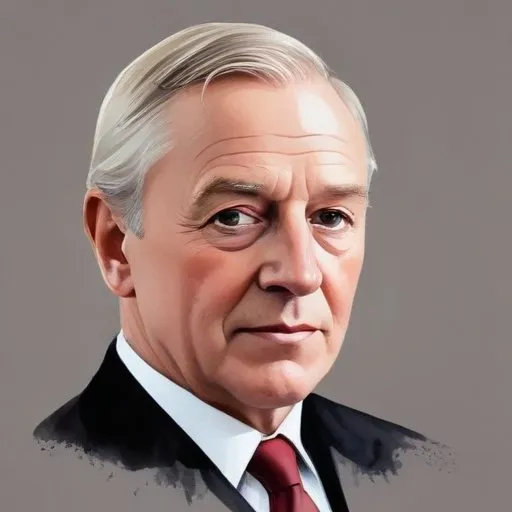
Advocate for the construction of the first underground railway in London, proposing a subway system to reduce traffic congestion in the city. He also worked to improve social conditions for the working class.
Charles Pearson, a British lawyer and politician, is best known for his pioneering role in the development of the world's first underground railway, the Metropolitan Railway, which revolutionized transportation in London and paved the way for the extensive London Underground network. His relentless campaigning for penal reform, universal suffrage, and the abolition of capital punishment also left an indelible mark on British history.
Born on October 4, 1793, in the City of London, Pearson was the son of Thomas Pearson, an upholsterer and feather merchant, and his wife Sarah. After completing his education in Eastbourne, he was apprenticed to his father but eventually pursued a career in law, qualifying as a solicitor in 1816.
Pearson's entry into public life began in 1817 when he was elected a councilman of the City of London Corporation for Bishopsgate ward. He served in this role from 1817 to 1820 and again from 1830 to 1836. During this period, he also served as chairman of the City board of health from 1831 to 1833.
Pearson was a true reformer at heart, and his campaigns for social justice and improvement had far-reaching consequences. He advocated for the abolition of capital punishment, universal suffrage, and penal reform, earning him a reputation as a radical thinker. His influence extended to the realm of transportation, where he promoted improvements to communication networks, including the development of an underground railway system.
In 1839, Pearson was appointed City Solicitor, a position he held until his death. During this tenure, he proposed the construction of a central railway station for the City, accessed by tunnel, which would be used by multiple railway companies. Although this plan was rejected, Pearson persevered, promoting the idea of an underground railway connecting the capital's northern termini. This vision became a reality with the opening of the Metropolitan Railway in 1863, the world's first underground railway.
Charles Pearson's legacy is a testament to his unwavering dedication to progress and reform. His contributions to the development of London's Underground Railway network have had a lasting impact on the city's infrastructure and continue to shape the daily lives of millions of commuters. His campaigns for social justice and penal reform have inspired generations of reformers and politicians.
Pearson married Mary Martha Dutton in 1817, and the couple had one child, Mary Dutton Pearson, born in 1820. Throughout his life, he remained committed to his family and his community, serving as a councilman, chairman of the City board of health, and City Solicitor.
Charles Pearson's remarkable life and achievements serve as a testament to the power of vision, perseverance, and dedication to creating a better world.
Born in 1812
A renowned author of timeless classics, crafting vivid stories that exposed social injustices and explored the human condition, leaving an indelible mark on literature.
Born in 1795
A 19th-century historian, philosopher, and academic who wrote influential works on history, politics, and society, particularly "The French Revolution" and "On Heroes, Hero-Worship, and The Heroic in History".
Born in 1806
A prominent 19th-century thinker who championed individual liberty, free speech, and women's rights, and is best known for his influential book "On Liberty".
Born in 1748
Developed the concept of utilitarianism, which aims to maximize overall happiness and well-being, and is considered the founder of modern welfare economics.
Born in 1804
A skilled politician who served as Prime Minister of the United Kingdom, known for his influential role in shaping the country's politics and economy during the 19th century.
Born in 1871
Prolific writer of historical novels and adventure stories, also a talented landscape painter.
