


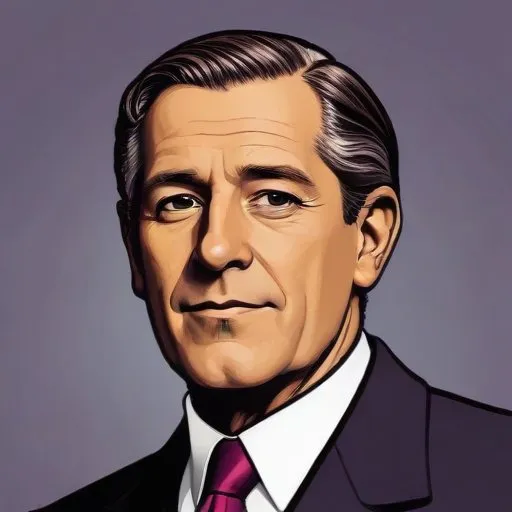
Founded Hawaii's largest museum, dedicated to preserving and showcasing the state's rich cultural and natural history, and was a prominent figure in Hawaiian politics and business.
Charles Reed Bishop is renowned for his instrumental role in shaping the economic and educational landscape of Hawaii. He was a successful businessman, politician, and philanthropist who left an indelible mark on the islands, earning him a revered place in Hawaiian history.
Born on January 25, 1822, in Glens Falls, New York, Bishop's early life was marked by tragedy. His mother, Maria Reed, passed away two weeks after giving birth to his brother, Henry, and his father, Samuel Bishop, died when Charles was just four years old. His grandfather took him in, raising him on his 125-acre farm in Warrensburg, where Bishop learned the skills of farming and animal husbandry.
In 1846, at the age of 24, Bishop set sail for Hawaii, attracted by the islands' promise of economic opportunity. He quickly established himself as a shrewd businessman, working as a clerk for Nelson J. Warren, the largest mercantile company in Warrensburg. It was during this period that he befriended William Little Lee, who would later become a prominent figure in Hawaiian politics.
Bishop's business acumen and political savvy soon earned him recognition. He served as a trusted advisor to several Hawaiian monarchs, including King Kalākaua and Queen Liliuokalani. He played a key role in the formation of the Kingdom of Hawaii's first successful bank, now known as First Hawaiian Bank, and was a major donor to the Kamehameha Schools, founded to provide education to Hawaiian children.
Bishop's philanthropic endeavors were instrumental in shaping Hawaii's educational and cultural landscape. He founded the Bernice Pauahi Bishop Museum, named in honor of his wife, to promote the understanding and preservation of Hawaiian history and culture. The museum remains one of Hawaii's most esteemed institutions.
Bishop's contributions to Hawaii were recognized during his lifetime. He was honored with the Royal Order of Kalākaua, a prestigious award bestowed by King Kalākaua, and was appointed as one of the first trustees of the Kamehameha Schools.
Bishop married Bernice Pauahi, a member of the royal family, in 1850. The couple had no children, but Bernice's death in 1884 inspired Bishop to establish the Bernice Pauahi Bishop Museum in her memory. Bishop passed away on June 7, 1915, leaving behind a legacy of business acumen, philanthropy, and dedication to the people of Hawaii.
Today, Charles Reed Bishop is remembered as a visionary businessman, politician, and philanthropist who played a pivotal role in shaping Hawaii's history. His contributions to education, culture, and finance continue to inspire generations of Hawaiians and beyond.
Born in 1831
A wealthy Hawaiian princess who used her inheritance to establish the Kamehameha Schools, a private educational institution dedicated to preserving Native Hawaiian culture and education.
Born in 1836
Hawaiian monarch who ruled from 1874 to 1891, known for promoting Hawaiian culture, restoring native traditions, and composing "Aloha 'Oe," a beloved song that remains an iconic symbol of Hawaiian identity.
Born in 1838
The last reigning monarch of a Pacific island kingdom, who fought to preserve her nation's independence and culture, and is remembered for her bravery and musical compositions.
Born in 1830
The last ruler of the Kamehameha dynasty, who oversaw the modernization of Hawaii's government and economy, while also preserving native Hawaiian culture and traditions. He's known for his efforts to balance progress with cultural heritage.
Born in 1924
A Medal of Honor recipient and long-serving US Senator, known for his heroic actions in World War II and dedication to public service.
