


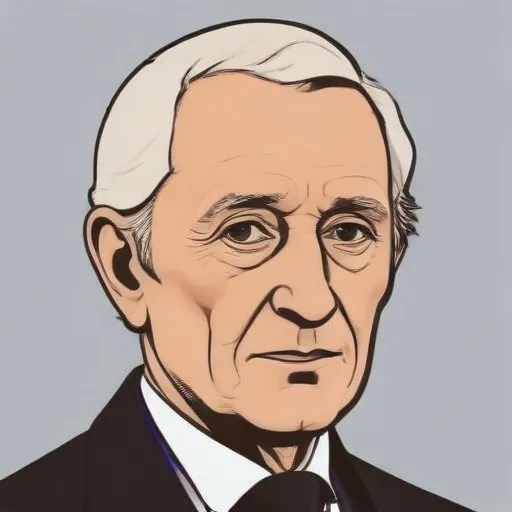
A pioneering figure in the fields of architecture, archaeology, and literature, known for his groundbreaking research on ancient Greek architecture and his influential writings on art and design.
Charles Robert Cockerell, a renowned English architect, archaeologist, and writer, is celebrated for his groundbreaking discoveries in Greece and his influential contributions to the fields of architecture and archaeology. As the first recipient of the Royal Gold Medal in 1848, Cockerell's legacy continues to inspire generations of scholars and enthusiasts.
Born on April 27, 1788, in London, Cockerell was the third of eleven children to Samuel Pepys Cockerell. He received his education at Westminster School, where he developed a strong foundation in Latin and the Classics. At the tender age of sixteen, Cockerell began his architectural training under his father, who held the post of surveyor to East India House and several London estates.
In 1810, Cockerell embarked on an extended Grand Tour, which lasted seven years and took him to various parts of Europe, Greece, and Turkey. During this period, he made significant archaeological discoveries, including the excavation of the Temple of Aphaea in Aegina, where he uncovered fallen fragmentary pediment sculptures. He also visited the temple of Apollo Epicurius at Bassae in Arcadia, where he discovered the magnificent Bassae Frieze, which is now housed in Germany.
Upon returning to London, Cockerell established a successful architectural practice and was appointed Professor of Architecture at the Royal Academy of Arts, a position he held from 1839 to 1859. He wrote extensively on architecture and archaeology, publishing numerous articles and books that showcased his expertise and knowledge. Some of his notable works include the designs for the Bank of England, the British Museum, and the University of London.
In recognition of his outstanding contributions to architecture and archaeology, Cockerell was awarded the Royal Gold Medal in 1848, becoming the first recipient of this prestigious honor. This award not only acknowledged his achievements but also cemented his position as a leading figure in his field.
Charles Robert Cockerell's legacy extends far beyond his impressive body of work. His discoveries and writings have inspired generations of scholars, architects, and archaeologists, shaping the course of these fields and fostering a deeper understanding of ancient cultures. As a pioneer in his field, Cockerell's work continues to influence modern architectural practices, archaeological excavations, and cultural preservation efforts.
Charles Robert Cockerell's remarkable life and achievements serve as a testament to his boundless curiosity, intellectual rigor, and creative genius. As we reflect on his legacy, we are reminded of the importance of interdisciplinary approaches, the value of cultural preservation, and the power of human curiosity to shape our understanding of the world.
Born in 1753
Designed iconic buildings that blended neoclassicism with innovative flair, leaving an indelible mark on London's architectural landscape.
Born in 1812
Co-designer of the iconic Palace of Westminster, a Gothic Revival mastermind who revolutionized British architecture with his intricate and ornate designs. His work continues to inspire and influence architects to this day.
Born in 1795
Designed iconic buildings that blended functionality with aesthetics, leaving a lasting mark on urban landscapes. His creations continue to inspire and serve as testaments to his innovative spirit.
Born in 1806
A visionary engineer who revolutionized transportation with innovative designs, including the iconic Clifton Suspension Bridge, which transformed urban landscapes.
Born in 1752
Designed grand, neoclassical buildings in England, including the Royal Pavilion and Buckingham Palace, revolutionizing British architecture with his Regency style.
Born in 1736
Improved steam engine efficiency, revolutionizing industry and transportation. Known for his innovative designs and patents that transformed the Industrial Revolution.
