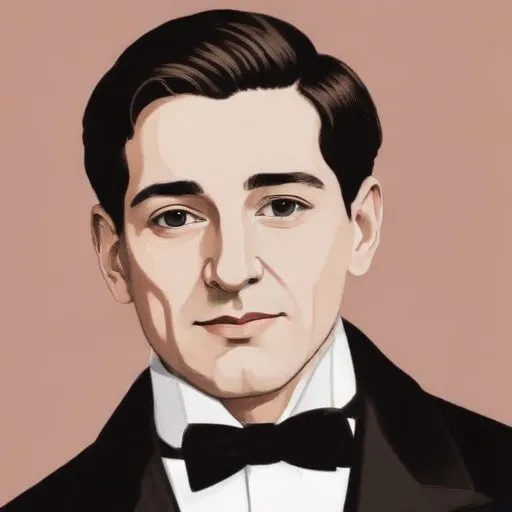
Charles-Valentin Alkan: The Pianist-Composer Genius and Enigmatic Figure of 19th-Century Paris
A Virtuoso Beyond Compare
Charles-Valentin Alkan, a French composer and virtuoso pianist, was a central figure in the vibrant Parisian musical scene of the 19th century. Alongside contemporaries
Frédéric Chopin and
Franz Liszt, Alkan was hailed as one of the leading pianists of his time, mesmerizing audiences with his technical mastery and expressive depth.
Early Life and Education
Born on November 30, 1813, in Paris, Alkan was a child prodigy who entered the prestigious Conservatoire de Paris at the tender age of six. He quickly earned numerous awards and accolades, laying the foundation for a lifelong dedication to his craft.
The Salon and Concert Hall Maestro
Alkan's career was marked by periods of intense public performance, interspersed with withdrawals from the spotlight due to personal reasons. During his most active years in the 1830s and 1840s, he performed regularly in Parisian salons and concert halls, earning the admiration of fellow artists, including
Eugène Delacroix and George Sand.
A Life of Reclusive Genius
From 1848 onward, Alkan adopted a reclusive lifestyle, devoting himself to composition and study. During this period, he produced some of his most remarkable works, including the groundbreaking collections of large-scale studies in all major and minor keys (Op. 35 and Op. 39, respectively).
Masterpieces of Musical Complexity
The latter collection, Op. 39, features two of Alkan's most celebrated works: the _Symphony for Solo Piano_ (Nos. 47) and the _Concerto for Solo Piano_ (Nos. 8-10). These compositions showcase Alkan's innovative spirit and technical wizardry, pushing the boundaries of what was thought possible on the piano.
A Legacy of Cultural Fusion
Alkan's connection to his Jewish heritage is evident in both his life and work. He was the first composer to incorporate Jewish melodies into art music, reflecting his deep understanding of Hebrew and Greek languages. Alkan's cultural fusion extended to his literary pursuits, including a complete new translation of the Bible into French, a work now unfortunately lost.
The Alkan Revival
In the 1870s, Alkan emerged from his self-imposed exile, giving a series of recitals that introduced his music to a new generation of French musicians. This resurgence of interest in his work cemented his position as a pioneer of Romantic piano music.
Personal Mystique and Legacy
Alkan's enigmatic personality and reclusive nature have contributed to an air of mystery surrounding his life. Despite his remarkable achievements, he remained a private figure, never marrying and leaving behind few personal accounts. His legacy, however, continues to inspire and influence pianists and composers worldwide.
Exploring the Alkan Canon
- Op. 35: Études in all major keys
- Op. 39: Études in all minor keys, including the Symphony for Solo Piano and Concerto for Solo Piano
- Piano Sonatas, including the monumental Op. 61
- Transcriptions and arrangements of works by Bach, Beethoven, and others
Inspirational Quotes and Anecdotes
- "Music is the divine way to tell beautiful, poetic things to the heart." - Charles-Valentin Alkan
- Alkan's supposed son, Élie-Miriam Delaborde, was also a virtuosic pianist and pedagogue, editing several of his father's works.
A Legacy Beyond the Piano
Charles-Valentin Alkan's impact on piano music is undeniable, but his contributions extend far beyond the keyboard. His innovative spirit, cultural fusion, and reclusive nature have captivated generations of musicians, scholars, and music lovers, cementing his position as a fascinating and enigmatic figure in the history of classical music.
FAQ
What was Charles-Valentin Alkans contribution to piano music?
Charles-Valentin Alkans contribution to piano music was his innovative and technically demanding compositions, which expanded the possibilities of the instrument and raised the standards of piano playing.
What were Charles-Valentin Alkans notable compositions?
Charles-Valentin Alkans notable compositions include his Concerto for Solo Piano, Sonata Op. 61, and Le Festin dEsope, which showcased his mastery of piano technique and his innovative approach to composition.
Was Charles-Valentin Alkan a virtuosic pianist?
Yes, Charles-Valentin Alkan was a virtuosic pianist, known for his technical brilliance and expressive playing style. He was one of the most celebrated pianists of his time, and his performances were highly acclaimed by audiences and critics alike.
What was Charles-Valentin Alkans teaching legacy?
Charles-Valentin Alkans teaching legacy was significant, as he taught many prominent pianists and composers, including César Franck and Vincent dIndy. He was also a respected music theorist and published several influential treatises on music and piano technique.
How did Charles-Valentin Alkan influence other composers?
Charles-Valentin Alkans innovative compositions and technical innovations influenced other composers, including Franz Liszt, who admired and championed Alkans work. Alkans contributions to piano music paved the way for future generations of composers and pianists.