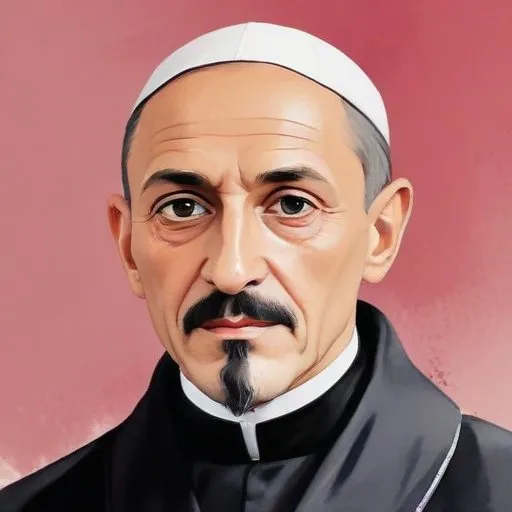
Charles de Foucauld: The Renowned French Mystic and Martyr
A Life of Devotion and Service
Charles de Foucauld, a French soldier, explorer, geographer, ethnographer, and Catholic priest, is perhaps best known for his extraordinary life of devotion, humility, and service to the Tuareg people in the Sahara desert. Through his writings and example, he inspired the founding of several religious communities, including the Little Brothers of Jesus.
Early Life and Education
Born on September 15, 1858, in Strasbourg, France, Charles de Foucauld was orphaned at the tender age of six and subsequently raised by his maternal grandfather, Colonel Beaudet de Morlet. He pursued officer training at the prestigious Saint-Cyr Military Academy, where he graduated with distinction. Following his graduation, he opted to join the cavalry, a path that would lay the foundation for his future explorations and missionary work.
Conversion and Priesthood
De Foucauld's spiritual journey began in earnest when he converted to Catholicism in his early twenties. This profound transformation led him to pursue ordination as a Catholic priest, which he achieved in Viviers in 1901. Taking the religious name Charles of Jesus, he felt an intense calling to settle among the Berbers in the Algerian Sahara, where he could live a life of simplicity, humility, and service to others.
A Life of Apostolic Witness
De Foucauld's ambition was to form a new congregation, but he soon realized that his vocation lay in a more radical approach. He adopted a new apostolic model, preaching not through sermons, but through his example and daily interactions with the Tuareg people. By living among them, sharing their struggles, and respecting their culture, he demonstrated a profound commitment to evangelization through inculturation.
Martyrdom and Legacy
Tragically, de Foucauld's life was cut short when he was assassinated on December 1, 1916, at his hermitage in Assekrem, Algeria. This senseless act of violence sparked a wave of veneration, and his writings and example inspired numerous religious communities, spiritual families, and a renewal of eremitic life.
Beatification and Canonization
In recognition of his martyrdom and exemplary life, the Catholic Church initiated de Foucauld's beatification process in 1927, just eleven years after his death. He was declared Venerable on April 24, 2001, by
Pope John Paul II, and Blessed on November 13, 2005, by
Pope Benedict XVI. In 2020, a miracle attributed to his intercession was recognized, paving the way for his canonization as a saint by
Pope Francis on May 15, 2022, in Rome.
Inspirational Quotes and Sayings
- "To love God is to love the poor, the marginalized, and the abandoned."
- "The only thing that matters is to love, and to be loved by God."
- "I want to be a brother to all, especially to the poor and the abandoned."
Impact on Modern Society
Charles de Foucauld's life and legacy continue to inspire countless individuals and communities around the world. His commitment to interfaith dialogue, cultural understanding, and service to the most vulnerable members of society serves as a beacon of hope and a powerful reminder of the importance of living a life of purpose and meaning.
Final Thoughts
In conclusion, Charles de Foucauld's extraordinary life, marked by devotion, humility, and service, stands as a testament to the transformative power of faith and commitment. His inspiring legacy continues to inspire generations, inviting us to emulate his radical generosity, his love for the poor, and his unwavering commitment to the Gospel.