


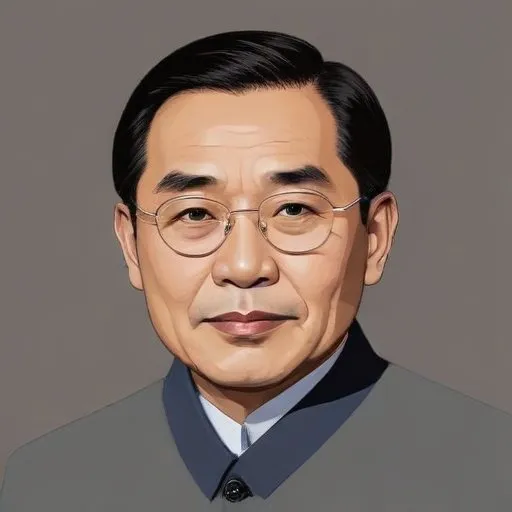
The 8th Mayor of Beijing, known for his role in the Tiananmen Square protests and subsequent corruption charges, leaving a lasting impact on China's political landscape.
Chen Xitong, a prominent figure in the Chinese Communist Party, is known for his tumultuous tenure as the Mayor of Beijing, particularly during the 1989 Tiananmen Square protests and massacre. His removal from office in 1995 on charges of corruption marked a significant turning point in his career.
Chen was born on June 10, 1930, in Anyue, Sichuan Province. He attended Peking University at the age of 18, where he majored in Chinese Language. He joined the Chinese Communist Party in 1949, and his early support for Deng Xiaoping led to his rapid rise through the party ranks.
Chen's tenure as Mayor of Beijing was marred by the 1989 Tiananmen Square protests and massacre. As the protests unfolded, Chen played a central role in the events that led to the brutal suppression of the student-led movement.
The protests, which began as a tribute to the reform-minded Hu Yaobang, soon escalated into widespread calls for democratic reforms and an end to corruption. Chen's handling of the situation was widely criticized, and his role in the subsequent massacre remains a source of controversy to this day.
In 1995, Chen was removed from office on charges of corruption, marking a dramatic fall from grace for the once-powerful politician. His ousting was seen as a major blow to the Communist Party's reputation, and raised questions about the pervasive corruption within the party's ranks.
Chen Xitong's legacy is complex and multifaceted. While he was once hailed as a rising star in the Communist Party, his role in the Tiananmen Square massacre and subsequent corruption charges have cemented his reputation as a controversial figure.
Despite his flaws, Chen's story serves as a reminder of the complexities of Chinese politics and the delicate balance of power within the Communist Party.
83 Years Old
The 5th Paramount leader of China, who served from 2002 to 2012, is known for his role in China's rapid economic growth and his "Scientific Development Concept" policy. He also increased China's global influence through strategic diplomacy.
73 Years Old
The supreme leader of China, overseeing the country's rapid economic growth and asserting its global influence, while consolidating power and cracking down on dissent.
98 Years Old
A Chinese engineer-turned-politician who served as the 5th Premier of the People's Republic of China, known for his economic reforms and role in China's rapid growth. He's credited with transforming China into the world's second-largest economy.
Born in 1926
Former Chinese leader who ruled the country from 1989 to 2004, known for his economic reforms and authoritarian grip on power. He's also famous for his "Three Represents" theory, which aimed to broaden the Communist Party's appeal.
71 Years Old
The 7th Premier of the People's Republic of China, serving from 2013 to 2023, oversaw China's economic reforms and played a key role in shaping the country's global influence. He implemented policies to boost domestic consumption and reduce reliance on exports.
