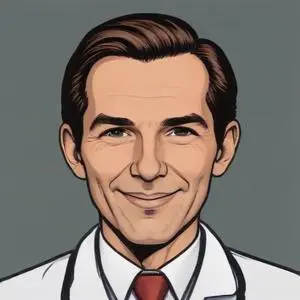
Christiaan Barnard

Christiaan Barnard

Christiaan Barnard was born on November 8th, 1922

Full Name: Christiaan Neethling Barnard
Nationality: South African
Occupation: Surgeon, Academic
Place of Birth: Beaufort West, South Africa
Notable Work: First human-to-human heart transplant
Alma Mater: University of Cape Town
Awards: Antonie van Leeuwenhoek Award
Died: September 2, 2001

Performed the world's first human-to-human heart transplant, revolutionizing cardiac surgery and paving the way for modern organ transplants.

Written by: Sofia Garcia Sofia Garcia

Christiaan Barnard: The Pioneer of Heart Transplantation

A Revolutionary Surgeon

Christiaan Barnard, a South African cardiac surgeon, etched his name in the annals of medical history by performing the world's first human-to-human heart transplant operation on December 3, 1967. This groundbreaking feat marked a significant milestone in the field of cardiothoracic surgery, paving the way for a new era of organ transplantation.

Early Life and Education

Born on November 8, 1922, in Beaufort West, Cape Province, South Africa, Barnard grew up with a passion for medicine. He studied medicine at the University of Cape Town, graduating in 1946. After completing his internship, he practiced medicine in South Africa for several years before traveling to the United States in 1955 to further his education.

Intestinal Atresia and Heart-Lung Machines

During his time in the United States, Barnard worked under the guidance of renowned surgeons Owen Harding Wangensteen and Walt Lillehei. He developed a remedy for the infant defect of intestinal atresia, saving the lives of ten babies in Cape Town. This experience laid the foundation for his later work with heart-lung machines, which enabled him to pioneer open-heart surgery.

The First Heart Transplant

Barnard's most notable achievement came when he transplanted the heart of accident victim Denise Darvall into the chest of 54-year-old Louis Washkansky. Although Washkansky died 18 days later due to pneumonia caused by antirejection drugs, the operation marked a crucial step forward in the field of organ transplantation.

Career Highlights and Major Works

  • Performed the world's first human-to-human heart transplant operation (1967)
  • Developed a remedy for intestinal atresia, saving the lives of ten babies in Cape Town
  • Worked with heart-lung machines, pioneering open-heart surgery
  • Appointed head of the Department of Experimental Surgery at Groote Schuur Hospital, Cape Town (1958)

Legacy and Impact

Barnard's pioneering work in heart transplantation paved the way for a new generation of surgeons and researchers. His work inspired countless individuals to pursue careers in medicine and contributed significantly to the advancement of organ transplantation. Despite his passing on September 2, 2001, Barnard's legacy continues to inspire and influence the medical community.

Personal Life and Philanthropy

Barnard's passion for medicine was matched only by his dedication to anti-aging research. Although his promotion of Glycel, an anti-aging skin cream, sparked controversy, his commitment to improving human life remained unwavering. Throughout his life, Barnard was driven by a desire to make a meaningful impact on humanity, leaving behind a legacy that continues to inspire and transform lives.

Timeline
1922
Born in South Africa
Christiaan Barnard was born in Beaufort West, South Africa, and would go on to become a pioneering surgeon and academic.
1946
Earns Medical Degree
Barnard earned his medical degree from the University of Cape Town, beginning his medical career.
1953
Earns Ph.D.
Barnard earned his Ph.D. in surgery from the University of Minnesota, recognizing his groundbreaking research.
1967
First Heart Transplant
Barnard performed the worlds first human-to-human heart transplant, revolutionizing cardiac surgery.
2001
Passing of a Pioneer
Christiaan Barnard passed away at the age of 78, leaving behind a legacy as a trailblazing surgeon and medical researcher.
Christiaan Barnard

Christiaan Barnard Quiz

What medical procedure did Christiaan Barnard perform in 1967 that made him famous?

Score: 0/5
FAQ
What is Christiaan Barnards most notable achievement?
Christiaan Barnard is a South African cardiac surgeon who performed the worlds first human-to-human heart transplant in 1967, revolutionizing the field of cardiothoracic surgery.
How did Christiaan Barnard develop an interest in medicine?
Christiaan Barnard grew up in a family of modest means and was inspired to pursue a career in medicine after witnessing the death of his mother from tuberculosis. He went on to study medicine at the University of Cape Town.
What was Christiaan Barnards approach to cardiac surgery?
Christiaan Barnard was known for his innovative and pioneering approach to cardiac surgery, which emphasized the importance of teamwork, meticulous attention to detail, and a passion for saving lives.
Has Christiaan Barnard received any awards for his work?
Christiaan Barnard has received numerous awards and honors for his work, including the Order of the Star of South Africa and the Lasker-DeBakey Clinical Medical Research Award.
What is Christiaan Barnards legacy in medicine?
Christiaan Barnards legacy in medicine is one of groundbreaking innovation and dedication to improving human health. He remains an icon in the field of cardiothoracic surgery and an inspiration to medical professionals worldwide.

Related People:

Michael E. DeBakey

Born in 1908

Pioneering cardiovascular surgeon and educator who developed numerous surgical procedures and medical devices, revolutionizing the field of cardiovascular medicine.

Denton Cooley

Born in 1920

Performed the first human heart transplant in the United States and developed numerous cardiothoracic surgical techniques. Known for his pioneering work in cardiac surgery.

Joseph Murray

Born in 1919

Performed the first successful human kidney transplant, paving the way for modern organ transplantation.

David Hume

Born in 1711

A Scottish Enlightenment thinker who developed influential ideas on morality, ethics, and human nature, and is considered one of the most important figures in the history of Western philosophy.

Michael Woodruff

Born in 1911

Pioneering transplant surgeon who performed the first kidney transplant in the UK and made significant contributions to organ transplantation and immunology.