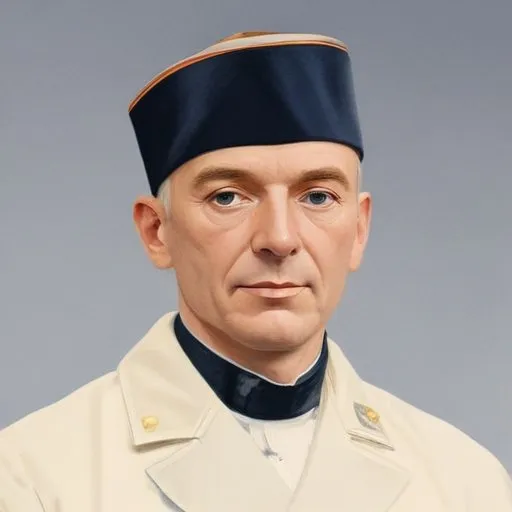
Joseph Murray: The Pioneering Surgeon behind the First Successful Kidney Transplant
The Breakthrough that Changed the Face of Medicine
Joseph Murray, an American plastic surgeon, etched his name in medical history by performing the world's first successful human kidney transplant on December 23, 1954. This groundbreaking feat not only revolutionized organ transplantation but also earned him the Nobel Prize in Physiology or Medicine in 1990, alongside E. Donnall Thomas.
Early Life and Inspirations
Born on April 1, 1919, in Milford, Massachusetts, Murray was of Irish and Italian descent. He grew up with a passion for sports, excelling in football, ice hockey, and baseball at Milford High School. Inspired by his family doctor, Murray decided to pursue a career in surgery. He went on to attend the College of the Holy Cross, where he studied philosophy and English, earning a degree in the humanities.
Medical Education and Military Service
Murray attended Harvard Medical School, graduating with his medical degree. He began his internship at the Peter Bent Brigham Hospital and was later inducted into the Medical Corps of the U.S. Army. During World War II, he served in the plastic surgery unit at Valley Forge General Hospital in Pennsylvania, where he worked under the guidance of prominent plastic surgeon Bradford Cannon. This experience not only deepened his understanding of plastic surgery but also sparked his interest in transplantation.
The Road to Transplantation
While working with burn patients during his time in the Army, Murray observed that they rejected temporary skin grafts from unrelated donors more slowly than expected. This crucial finding hinted at the possibility of organ grafts, or transplants. After his military service, Murray continued to explore the concept of transplantation, eventually leading to the historic kidney transplant operation on identical twins Richard and Ronald Herrick.
Awards and Honors
Murray's pioneering work in transplantation earned him numerous accolades, including:
- Nobel Prize in Physiology or Medicine (1990)
- Fellow of the American Academy of Arts and Sciences
- Fellow of the American College of Surgeons
Legacy and Impact
Joseph Murray's groundbreaking work in transplantation has had a profound impact on modern medicine. His discovery has enabled millions of people worldwide to receive life-saving organ transplants. Murray's legacy extends beyond his medical contributions, inspiring generations of surgeons and researchers to push the boundaries of medical science.
Personal Milestones and Key Life Events
Murray's life was marked by significant milestones, including:
- 1943: Graduated from Harvard Medical School
- 1954: Performed the world's first successful kidney transplant
- 1990: Awarded the Nobel Prize in Physiology or Medicine
Philosophical Contributions and Beliefs
Murray's work in transplantation was guided by his deep respect for human life and his commitment to alleviating suffering. He believed that medical advancements should be driven by compassion, empathy, and a relentless pursuit of knowledge.
Influence on Modern Society
Joseph Murray's work has had far-reaching implications for modern society, including:
- Advancements in organ transplantation and immunology
- Improved treatment options for patients with end-stage organ failure
- Increased awareness and advocacy for organ donation
Trivia and Fun Facts
Did you know that:
- Murray was an accomplished athlete and played baseball in college?
- He was inducted into the American Academy of Achievement's Golden Plate Award in 1992?
A Lasting Legacy
Joseph Murray's pioneering work in transplantation has left an indelible mark on the medical community. As we continue to push the boundaries of medical science, we honor the legacy of this visionary surgeon who dared to dream of a world where organ transplantation was possible.
FAQ
What was Joseph Murrays contribution to organ transplantation?
Joseph Murray was an American surgeon and soldier who made a groundbreaking contribution to organ transplantation. He performed the first successful kidney transplant in 1954, paving the way for modern organ transplantation.
What inspired Joseph Murrays work in organ transplantation?
Joseph Murray was inspired by his experiences as a surgeon during World War II, where he saw firsthand the devastating effects of kidney disease on soldiers. He became determined to find a solution, leading him to pioneer the field of organ transplantation.
How did Joseph Murrays work influence the development of organ transplantation?
Joseph Murrays work on organ transplantation has had a profound influence on the field. His pioneering efforts have led to the development of new surgical techniques, immunosuppressive drugs, and organ donation systems.
What awards and recognition did Joseph Murray receive for his work?
Joseph Murray received numerous awards and honors for his work, including the Nobel Prize in Physiology or Medicine in 1990.
What is Joseph Murrays legacy in the field of surgery?
Joseph Murrays legacy in the field of surgery is one of groundbreaking achievement. He has saved countless lives through his pioneering work in organ transplantation, and his contributions continue to inspire future generations of surgeons and researchers.