


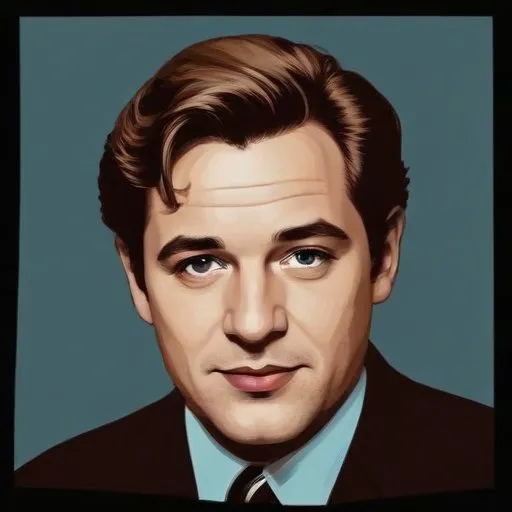
Prolific writer and humorist, best known for novels like "Parnassus on Wheels" and "Kitty Foyle", which captured the American spirit and wit of the early 20th century.
Christopher Morley, a renowned American journalist, novelist, essayist, and poet, left an indelible mark on the literary world with his diverse and profound contributions. Born on May 5, 1890, Morley's work spanned multiple genres, earning him a reputation as a master of many trades.
Morley's early life was steeped in academia and the arts. Born to a mathematics professor father, Frank Morley, and a violinist mother, Lilian Janet Bird, he inherited a love for literature and poetry from his mother. He graduated as valedictorian from Haverford College in 1910 and later attended New College, Oxford, on a Rhodes scholarship, where he studied modern history.
Morley's writing career was marked by versatility and wit. He began as a journalist, working for various publications, including The New York Evening Post and The Saturday Review of Literature. His essays and articles often tackled topics such as literature, politics, and social commentary. Morley's most famous work, Parnassus on Wheels, published in 1917, is a charming novel about a traveling bookshop. Other notable works include The Haunted Bookshop (1919) and Thunder on the Left (1925).
Morley's writing had a profound impact on modern society. His emphasis on individuality and critical thinking resonated with readers. His famous quote, "Think, every day, something no one else is thinking. Do, every day, something no one else would be silly enough to do," reflects his commitment to promoting independent thought and action.
In 1914, Morley married Helen Booth Fairchild, with whom he had four children. The couple's move to Roslyn Estates, New York, in 1920 marked the beginning of a new chapter in Morley's life. He built a cabin, "The Knothole," on the property, which served as his writing study.
Throughout his life, Morley was committed to promoting intellectual freedom and individuality. He believed that "it is bad for the mind to be always part of a unanimity." His writing often reflected this philosophy, encouraging readers to question authority and challenge conventional thinking.
Some of Morley's most memorable quotes include:
Christopher Morley's legacy extends beyond his literary contributions. He inspired generations of writers and thinkers to challenge the status quo and embrace individuality. His commitment to promoting intellectual freedom and critical thinking continues to resonate with readers today.
Born in 1896
Author of novels and short stories that capture the essence of the Jazz Age, exploring themes of wealth, class, and the American Dream. Known for timeless classics like "The Great Gatsby" and "Tender Is the Night".
Born in 1899
A legendary writer who crafted sparse, powerful prose, capturing the human experience in novels like "The Old Man and the Sea" and "A Farewell to Arms".
Born in 1897
A Nobel Prize-winning author of complex, psychologically rich novels and short stories that explore the American South's troubled history and human nature. His writing style, blending stream-of-consciousness and non-linear narrative, has influenced generations of writers.
Born in 1902
A renowned writer of realistic and powerful novels, often focusing on the lives of the working class and the American Dream, with classics like "Of Mice and Men" and "The Grapes of Wrath".
Born in 1880
A satirical journalist and social critic who ridiculed American culture and politics, known for his witty writings and sharp commentary on the human condition.
Born in 1893
A witty and insightful writer who crafted poetry, short stories, and critiques that continue to delight readers with their clever wordplay and sharp observations.
Born in 1885
Humorous short stories and satirical writings that exposed the flaws of American culture, particularly in sports and middle-class life.
Born in 1862
A pioneering female author of novels and short stories that explored the social conventions and morals of the Gilded Age, known for her witty and insightful portrayals of the American aristocracy.
