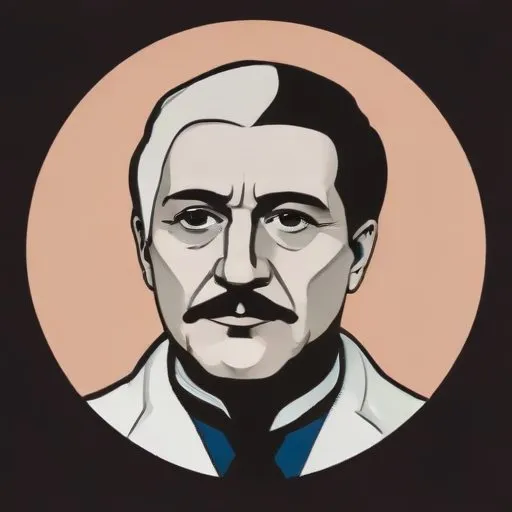
Claude Bourgelat: The Pioneer of Scientific Veterinary Medicine
A Founder of Modern Veterinary Science
Claude Bourgelat is renowned for establishing the world's first two veterinary schools, revolutionizing the field of veterinary medicine with his scientifically informed approach. He is credited with creating a comprehensive system of veterinary education, which has had a lasting impact on the profession.
Early Life and Career
Born on March 27, 1712, in Lyon, France, Bourgelat initially pursued a career in law. However, his passion for horses led him to become interested in veterinary medicine. In 1740, at the age of 28, he became the head of the Lyon Academy of Horsemanship, where he developed a distinctive style of horse riding that remains influential to this day.
Founding of Veterinary Schools
In 1750, Bourgelat wrote a seminal book on veterinary medicine, in which he proposed the idea of establishing a veterinary school. This idea became a reality in 1761, when he co-founded the École Nationale Vétérinaire de Lyon, followed by the École Nationale Vétérinaire d'Alfort in 1765. These institutions were specifically designed to combat the cattle plague, also known as rinderpest, which was rampant at the time.
Scientific Approach to Veterinary Medicine
Bourgelat's approach to veterinary medicine was groundbreaking because it incorporated ideas from natural history, chemistry, clinical medicine, and comparative anatomy. He was an early advocate for the importance of scientific inquiry and evidence-based practice in veterinary medicine. This approach has had a lasting impact on the field, shaping the way veterinarians are trained and practice today.
Contributions to Science and Education
Bourgelat was a prolific writer and contributor to various scientific publications. He was a member of the French Academy of Sciences and the Prussian Academy of Sciences, and wrote over 235 articles for Diderot and d'Alembert's
Encyclopédie, ou Dictionnaire Raisonné des Sciences, des Arts et des Métiers. His written works include
Élémens d'Hippiatrique (1750),
L'Art Vétérinaire (1761), and
Matière Médicale Raisonnée (1765).
Lasting Legacy
Bourgelat's legacy extends far beyond his own lifetime. He is remembered as a pioneer who elevated veterinary medicine to a respected profession, grounded in scientific principles. His work has had a direct impact on animal health and welfare, and his influence can be seen in the modern veterinary profession. As a testament to his enduring impact, the École Nationale Vétérinaire d'Alfort, which he co-founded, remains one of the most prestigious veterinary institutions in the world.
Personal Milestones and Key Life Events
- 1740: Became head of the Lyon Academy of Horsemanship
- 1750: Wrote Élémens d'Hippiatrique, a seminal work on veterinary medicine
- 1761: Co-founded the École Nationale Vétérinaire de Lyon
- 1765: Co-founded the École Nationale Vétérinaire d'Alfort
- 1779: Passed away on January 3, at the age of 66
Influence on Modern Society
Bourgelat's work has had a profound influence on modern society, extending beyond the realm of veterinary medicine. His emphasis on scientific inquiry and evidence-based practice has contributed to the development of modern medicine as a whole. Moreover, his commitment to animal welfare has raised awareness about the importance of treating animals with respect and compassion.
FAQ
What were the contributions of Claude Bourgelat to veterinary medicine?
Claude Bourgelat was a French surgeon and author who made significant contributions to veterinary medicine. He was a pioneer in the field of veterinary surgery and wrote several influential texts on the subject.
What was Claude Bourgelats role in the development of veterinary education?
Claude Bourgelat played a crucial role in the development of veterinary education. He founded the first veterinary school in Lyon, France, and established a curriculum that emphasized practical training and scientific inquiry.
What were the notable works of Claude Bourgelat?
Claude Bourgelat wrote several influential works on veterinary medicine, including Elementa Medicinae Veterinariae and Traité de Chirurgie Vétérinaire. His writings emphasized the importance of scientific observation and experimentation in veterinary practice.
How did Claude Bourgelat influence later veterinarians?
Claude Bourgelats work had a profound impact on later veterinarians, including John Hunter and Benjamin Waterhouse. His emphasis on scientific inquiry and practical training helped to establish veterinary medicine as a respected profession.
What legacy did Claude Bourgelat leave behind?
Claude Bourgelat left behind a lasting legacy in veterinary medicine. He was a pioneer in the field of veterinary surgery and education, and his work continues to influence the development of veterinary medicine today.